
Advantages of Electric Cars: Quieter, Cleaner, Independent
Advantages of Electric Cars over Internal Combustion Engine Vehicles
Electric cars are gaining popularity around the world, and for good reason. With advancements in technology, these vehicles offer several advantages over traditional internal combustion engine (ICE) vehicles. In this article, we will explore three key benefits of electric cars: quieter operation, zero tailpipe emissions, and energy independence.
Quieter Operation
One of the first things you’ll notice when driving an electric car is how quiet it is. Unlike ICE vehicles that rely on noisy engines, electric cars operate almost silently. This not only enhances the driving experience but also reduces noise pollution in urban areas. Imagine gliding through the streets without the constant rumble of an engine. It’s a refreshing change that electric car owners appreciate.
Moreover, the quiet operation of electric cars can have a positive impact on the environment. Noise pollution has been linked to various health issues, including stress, sleep disturbances, and even cardiovascular problems. By reducing noise pollution, electric cars contribute to creating a more peaceful and healthier living environment.
Zero Tailpipe Emissions
One of the most significant advantages of electric cars is their zero tailpipe emissions. Unlike ICE vehicles that burn fossil fuels and release harmful pollutants into the air, electric cars produce no exhaust emissions. This means cleaner air for everyone.
Traditional vehicles emit carbon dioxide (CO2), nitrogen oxides (NOx), and particulate matter (PM), all of which contribute to air pollution and climate change. Electric cars, on the other hand, produce zero tailpipe emissions, helping to combat global warming and improve air quality.
By driving an electric car, you can contribute to reducing greenhouse gas emissions and protecting the environment. It’s a small but significant step towards a more sustainable future.
Energy Independence
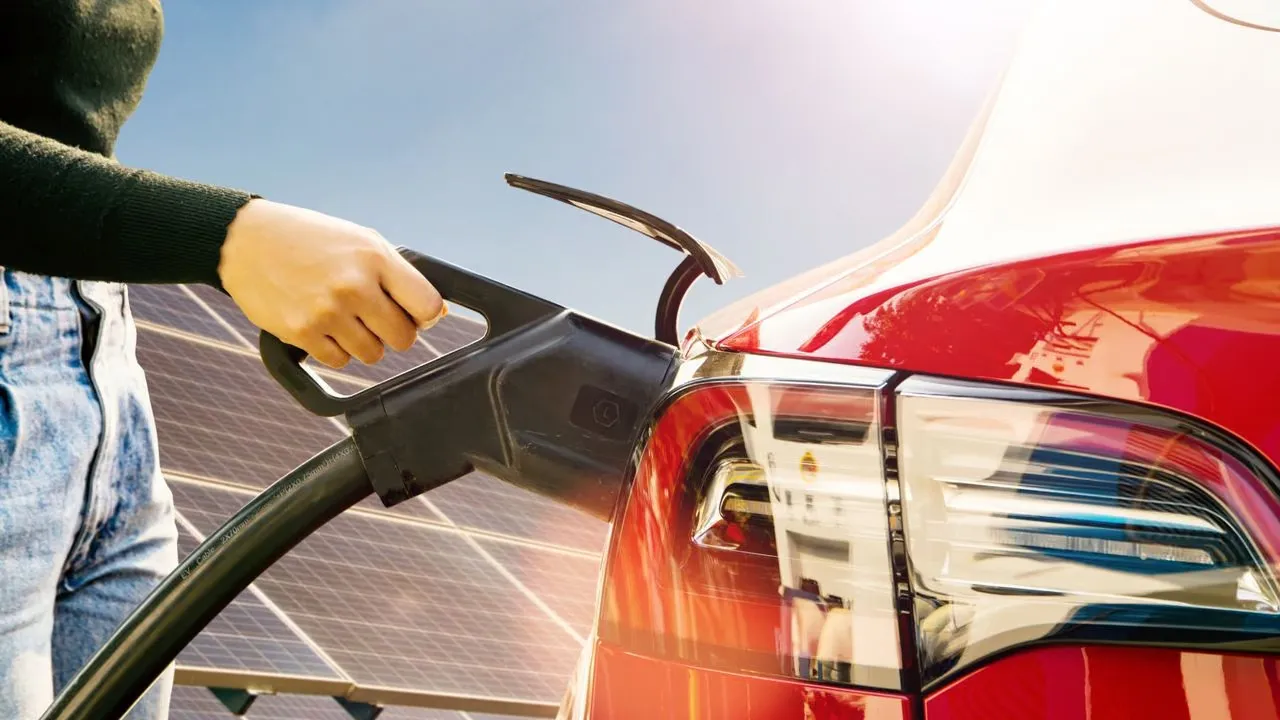
Another advantage of electric cars is their potential to provide energy independence. With an electric vehicle, you are not reliant on fossil fuels for transportation. Instead, you can charge your car using electricity from renewable sources such as solar or wind power.
This shift towards renewable energy sources reduces our dependence on non-renewable resources and helps to diversify our energy mix. It also promotes the growth of clean energy industries, creating new job opportunities and stimulating economic growth.
Furthermore, electric cars can be equipped with regenerative braking systems that convert kinetic energy into electrical energy, which can be stored in the car’s battery. This technology allows electric cars to partially recharge their batteries while driving, further improving their energy efficiency.
In Conclusion
Electric cars offer several advantages over traditional ICE vehicles. Their quieter operation reduces noise pollution, while zero tailpipe emissions contribute to cleaner air and a healthier environment. Additionally, electric cars provide the opportunity for energy independence by utilizing renewable energy sources and promoting sustainable practices.
As technology continues to advance, electric cars are becoming more accessible, affordable, and practical for everyday use. By choosing an electric car, you can enjoy a quieter, cleaner, and more sustainable driving experience.