
Driving Towards a Greener Future: Government Incentives for Electric Vehicles
Government Incentives and Subsidies for Electric Vehicles: Driving Towards a Greener Future
Electric vehicles (EVs) are rapidly gaining popularity as a sustainable and eco-friendly alternative to traditional gasoline-powered cars. With advancements in technology and increasing concerns about climate change, governments around the world are stepping up their efforts to promote the adoption of EVs. One of the key strategies employed by governments is the provision of various incentives and subsidies to make electric vehicles more accessible and affordable for consumers.
Government Grants: Fueling the Transition
One of the most significant forms of support offered by governments is the provision of grants to both individuals and businesses interested in purchasing electric vehicles. These government grants are designed to offset the higher upfront cost of EVs compared to conventional cars, making them more financially viable options for consumers.
Government grants for electric vehicles can vary in terms of eligibility criteria and the amount of funding provided. Some countries offer grants based on the battery size of the vehicle, while others consider the vehicle’s price. These grants can range from a few hundred dollars to several thousand dollars, significantly reducing the overall cost of purchasing an electric vehicle.
Charging Infrastructure Support: Powering Convenience
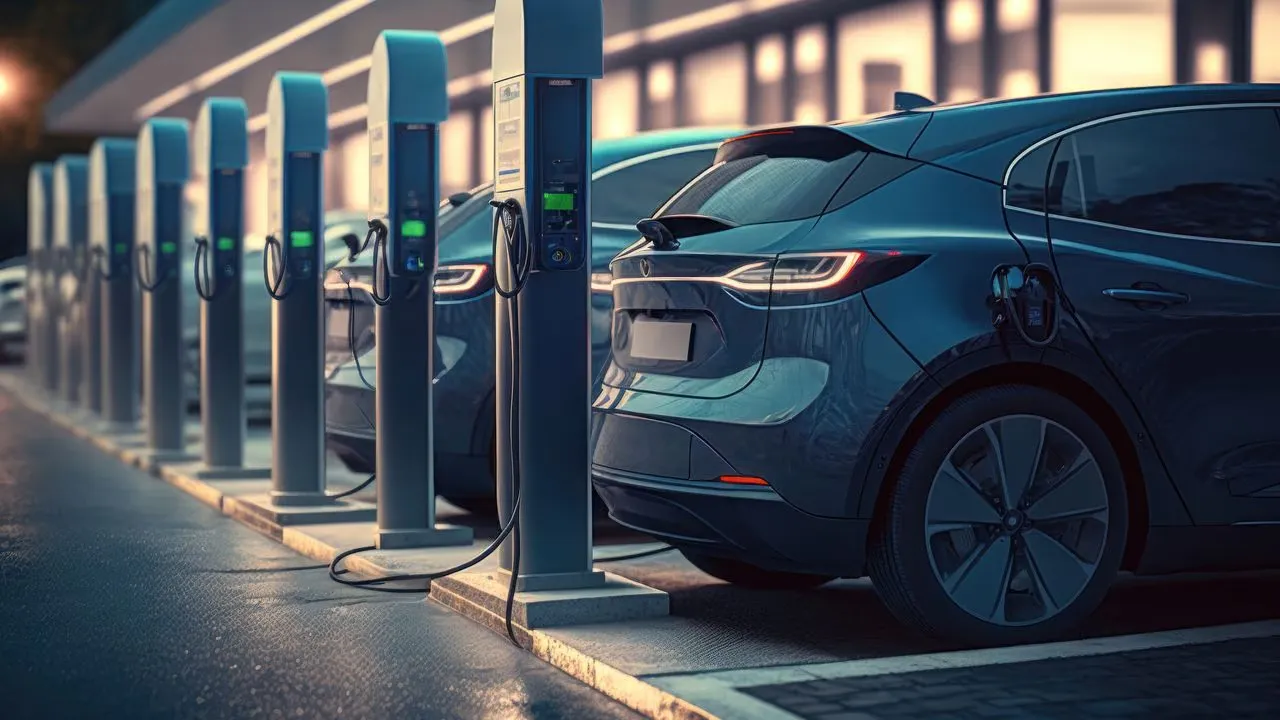
One of the main concerns for potential EV owners is the availability of charging infrastructure. To address this issue, governments are investing in the development of charging stations and providing support to private companies for the installation of charging infrastructure.
Government funding for charging infrastructure not only ensures that EV owners have access to convenient charging options but also helps to alleviate range anxiety – the fear of running out of battery power. By expanding the charging network, governments are encouraging more people to switch to electric vehicles by assuring them that charging will be readily available, even on long journeys.
Purchase Incentives: Making EVs More Attractive
In addition to grants, governments also offer purchase incentives to further incentivize the adoption of electric vehicles. These incentives can take various forms, such as tax credits, rebates, or exemptions from certain taxes and fees.
By reducing the financial burden associated with purchasing an electric vehicle, these incentives make EVs more attractive to a wider range of consumers. They not only help to lower the overall cost of ownership but also contribute to the long-term savings that come with driving an electric vehicle, such as lower fuel and maintenance costs.
The Global Impact
Government incentives and subsidies for electric vehicles have had a significant impact on the global adoption of EVs. Countries like Norway, the Netherlands, and China have witnessed remarkable growth in their EV markets, largely due to the comprehensive support provided by their governments.
These incentives not only benefit individual consumers but also contribute to the larger goal of reducing greenhouse gas emissions and combating climate change. By encouraging the transition to electric vehicles, governments are playing a crucial role in creating a sustainable future for generations to come.
Conclusion
Government grants, charging infrastructure support, and purchase incentives are key components of the strategies employed by governments to promote the adoption of electric vehicles. These incentives not only make EVs more affordable and accessible but also address concerns related to charging infrastructure and range anxiety. As governments continue to invest in sustainable transportation solutions, the future of electric vehicles looks brighter than ever.