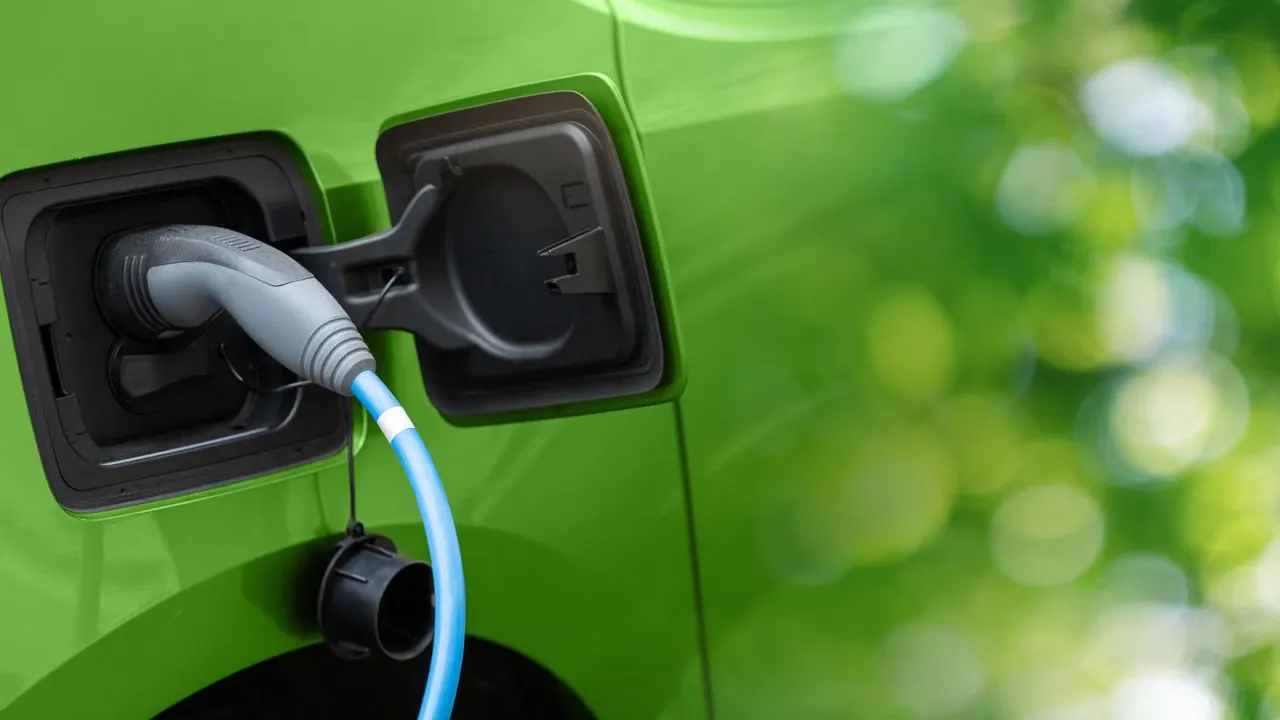


Efficient EV Charging Station Management
EV Charging Station Management: Ensuring Efficient Serviceability and Diagnostics
Electric vehicles (EVs) are becoming increasingly popular as people recognize the benefits of reducing their carbon footprint and saving on fuel costs. As a result, the demand for EV charging stations is on the rise. However, managing these charging stations efficiently can be a challenge without the right tools and systems in place. In this article, we will explore the importance of charging station diagnostics, serviceability, and alerts in ensuring the smooth operation of EV charging infrastructure.
Charging Station Diagnostics: Identifying and Resolving Issues
One of the key aspects of effective charging station management is the ability to diagnose and resolve issues quickly. Charging station diagnostics involve monitoring the performance and health of the charging infrastructure to identify any potential problems. By regularly analyzing data from the charging stations, operators can proactively address issues before they escalate.
Implementing charging station diagnostics allows operators to monitor various parameters such as power output, voltage, and current levels. By tracking these metrics, operators can identify charging stations that are not performing optimally or experiencing technical difficulties. This information enables them to take prompt action, ensuring that EV owners have access to reliable charging services.
Charging Station Serviceability: Streamlining Maintenance and Repairs
Serviceability is another critical aspect of EV charging station management. It involves ensuring that charging stations are easily maintainable and repairable, minimizing downtime and maximizing operational efficiency. By implementing serviceability features, operators can streamline maintenance processes and reduce costs associated with repairs.
One way to enhance serviceability is by using modular charging station designs. Modular charging stations consist of interchangeable components that can be easily replaced when needed. This eliminates the need for extensive repairs or replacements, reducing downtime and ensuring that charging stations are back in operation quickly.
Additionally, remote monitoring and management systems play a vital role in serviceability. These systems allow operators to monitor charging stations remotely, perform diagnostics, and even carry out software updates without physically visiting each station. This not only saves time and resources but also improves the overall efficiency of charging station maintenance.
Charging Station Alerts: Real-time Notifications for Efficient Management
Timely notifications are crucial for efficient charging station management. Charging station alerts provide operators with real-time information about any issues or abnormalities, allowing them to take immediate action. These alerts can be sent via email, SMS, or through a dedicated management platform.
Alerts can range from simple notifications, such as a charging station being out of service, to more complex warnings, such as a potential power outage or a malfunctioning component. By receiving these alerts, operators can quickly dispatch maintenance teams or address the issue remotely, minimizing downtime and ensuring a seamless charging experience for EV owners.
Moreover, charging station alerts can also provide valuable insights for long-term planning and optimization. By analyzing the frequency and types of alerts, operators can identify patterns and trends, enabling them to make informed decisions about infrastructure upgrades, capacity planning, and resource allocation.
In Conclusion
Efficient management of EV charging stations is crucial to meet the growing demand for electric vehicles. Charging station diagnostics, serviceability, and alerts play a vital role in ensuring the smooth operation of charging infrastructure. By implementing these features, operators can proactively identify and resolve issues, streamline maintenance processes, and receive real-time notifications for efficient management. With the right tools and systems in place, the future of EV charging looks promising, paving the way for a greener and more sustainable transportation system.