
Electric Cars in the Commercial and Fleet Sector: Total Cost of Ownership and Fleet Electrification
Electric Cars in the Commercial and Fleet Sector: Understanding the Total Cost of Ownership and Fleet Electrification
Electric cars have been gaining popularity in the consumer market for some time now, but what about the commercial and fleet sector? As companies look for ways to reduce their carbon footprint and operating costs, electric vehicles (EVs) are becoming an increasingly attractive option. In this blog post, we’ll explore the benefits of fleet electrification, the total cost of ownership, and the importance of fleet charging infrastructure.
Benefits of Fleet Electrification
Fleet electrification refers to the process of transitioning a company’s fleet of vehicles from traditional gas-powered models to electric vehicles. There are several benefits to this approach, including:
1. Reduced Operating Costs: EVs have lower fuel and maintenance costs compared to gas-powered vehicles. Electric motors have fewer moving parts, which means less wear and tear and fewer maintenance requirements. Additionally, electricity is typically cheaper than gasoline, which can lead to significant cost savings over time.
2. Improved Environmental Impact: Electric vehicles produce zero emissions, which can help companies reduce their carbon footprint and meet sustainability goals. This is especially important for companies that operate in urban areas, where air pollution is a significant concern.
3. Increased Brand Image: Companies that prioritize sustainability and environmental responsibility can improve their brand image and reputation. This can help attract customers and employees who value these qualities.
Total Cost of Ownership
When considering the switch to electric vehicles, it’s essential to understand the total cost of ownership (TCO). TCO refers to the total cost of owning and operating a vehicle over its lifetime, including purchase price, fuel costs, maintenance, and depreciation.
While EVs may have a higher upfront cost than gas-powered vehicles, the TCO is often lower due to lower fuel and maintenance costs. According to a study by the International Council on Clean Transportation, electric vehicles have a lower TCO than gas-powered vehicles in most regions of the world.
It’s important to note that TCO will vary depending on several factors, including the type of vehicle, usage patterns, and electricity rates. Companies should conduct a thorough analysis of their fleet to determine the TCO of switching to electric vehicles.
Fleet Charging Infrastructure
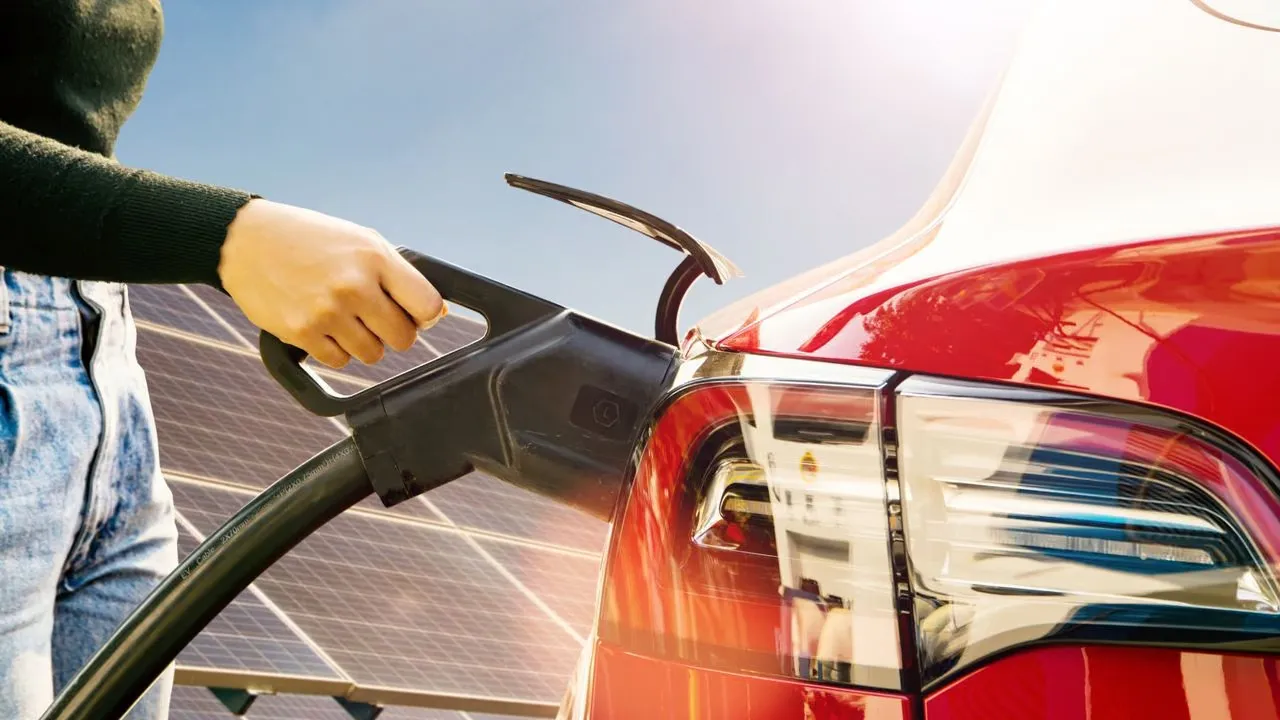
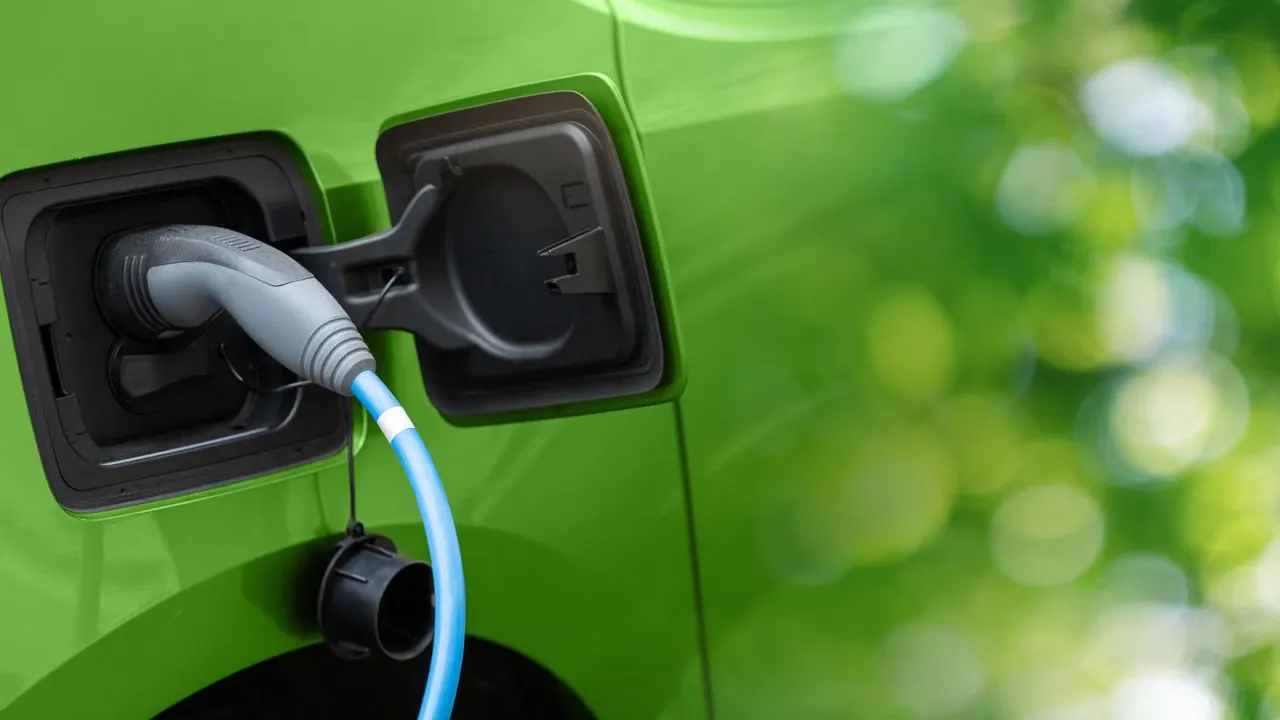
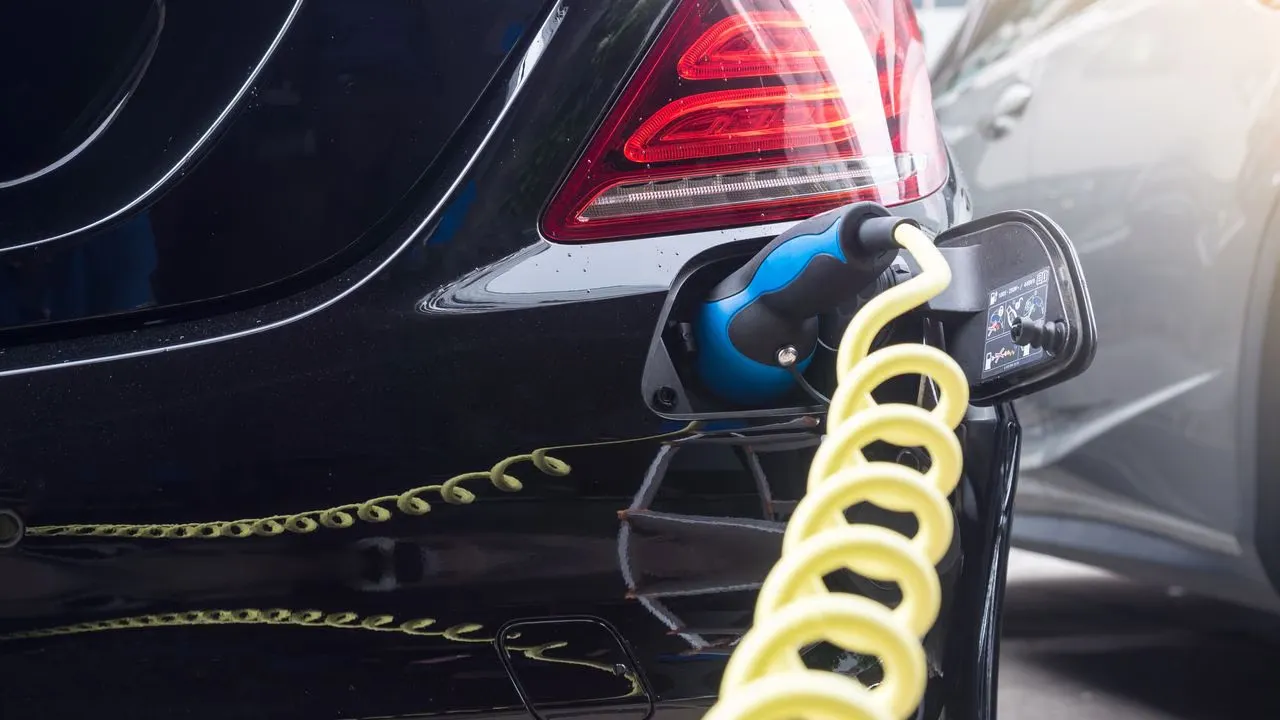
One of the most significant challenges of fleet electrification is the need for charging infrastructure. Companies must ensure that their vehicles have access to charging stations to keep them running throughout the day.
There are several options for fleet charging infrastructure, including:
1. Workplace Charging: Companies can install charging stations at their facilities to allow employees to charge their vehicles during the workday.
2. Public Charging: Companies can use public charging stations to charge their vehicles while on the road.
3. Private Charging: Companies can install charging stations at their depots or warehouses to charge their vehicles overnight.
It’s important to consider the location and availability of charging stations when planning for fleet electrification. Companies should also consider the cost of installing and maintaining charging infrastructure when evaluating the TCO of electric vehicles.
Conclusion
Electric vehicles are becoming an increasingly attractive option for companies looking to reduce their operating costs and environmental impact. Fleet electrification can provide significant benefits, including lower operating costs, improved environmental impact, and increased brand image.
When considering the switch to electric vehicles, it’s essential to understand the total cost of ownership and the importance of fleet charging infrastructure. Companies should conduct a thorough analysis of their fleet to determine the TCO of switching to electric vehicles and plan for the installation and maintenance of charging infrastructure.
Overall, electric vehicles are a promising option for the commercial and fleet sector, and companies that prioritize sustainability and cost savings should consider making the switch to EVs.