

Electric Vehicle Adoption: Models, Charging, Sales
Electric Vehicle Adoption Rates and Trends: A Look into EV Models, Charging Network Growth, and Electric Vehicle Sales
Electric vehicles (EVs) have gained significant traction in recent years, with more and more people embracing the benefits of sustainable transportation. As the world shifts towards a greener future, it’s essential to understand the current trends and adoption rates of EVs, as well as the growth of charging networks and electric vehicle sales.
EV Models: A Diverse Range of Choices
Gone are the days when electric vehicles were limited to a handful of options. Today, there is a wide range of EV models available, catering to different preferences and needs. From compact cars to SUVs and even luxury vehicles, consumers now have more choices than ever before.
Leading automakers such as Tesla, Nissan, Chevrolet, and BMW have introduced popular EV models like the Tesla Model 3, Nissan Leaf, Chevrolet Bolt, and BMW i3. These vehicles offer impressive electric ranges, advanced features, and sleek designs, making them attractive options for eco-conscious drivers.
Charging Network Growth: Expanding Infrastructure
One of the key factors influencing the adoption of electric vehicles is the availability of charging infrastructure. Over the years, the charging network has witnessed significant growth, addressing the concerns of range anxiety and making EV ownership more convenient.
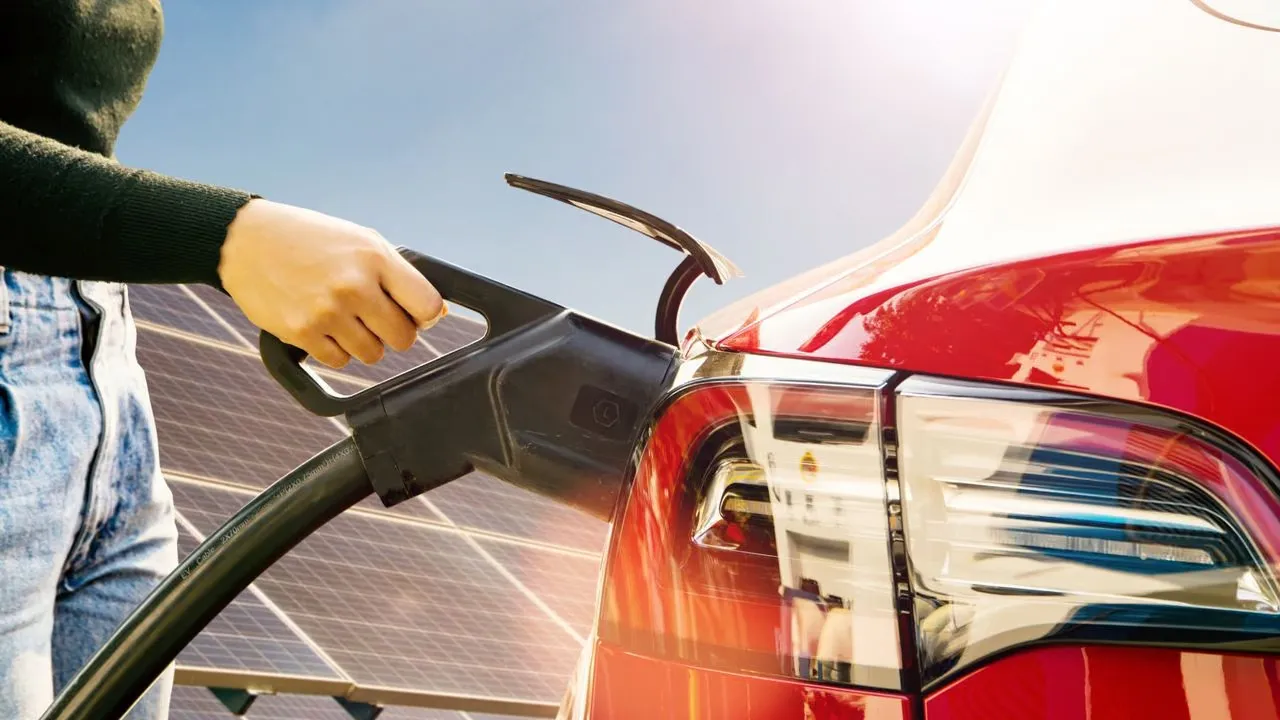
Public charging stations can now be found in various locations, including shopping centers, parking lots, and highway rest areas. Additionally, many businesses and workplaces have started installing charging stations to cater to their employees and customers. This expansion of charging infrastructure has played a crucial role in boosting consumer confidence and encouraging more people to switch to electric vehicles.
Electric Vehicle Sales: Soaring Numbers
The sales of electric vehicles have been steadily increasing, reflecting the growing interest and demand for sustainable transportation. According to recent data, electric vehicle sales reached a record high in several countries, including the United States, China, and Europe.
In the United States, EV sales experienced a significant surge in 2020, despite the challenges posed by the COVID-19 pandemic. The availability of federal tax incentives, improved affordability, and the introduction of new EV models contributed to this remarkable growth.
China, the world’s largest automotive market, has also witnessed a rapid increase in electric vehicle sales. The Chinese government’s strong support for EV adoption, including subsidies and favorable policies, has propelled the country to become a global leader in the electric vehicle market.
Europe, too, has embraced electric vehicles, with several countries setting ambitious targets to phase out internal combustion engine vehicles. Norway, for instance, has emerged as a frontrunner in EV adoption, with electric vehicles accounting for a significant percentage of new car sales.
In Conclusion
The adoption rates of electric vehicles continue to rise, driven by a diverse range of EV models, the growth of charging networks, and soaring electric vehicle sales. As more people recognize the environmental and economic benefits of EVs, the future of transportation looks increasingly electric.