

Electric Vehicle Charging at Home: Options & Considerations
Electric Vehicle Charging at Home: Options and Considerations
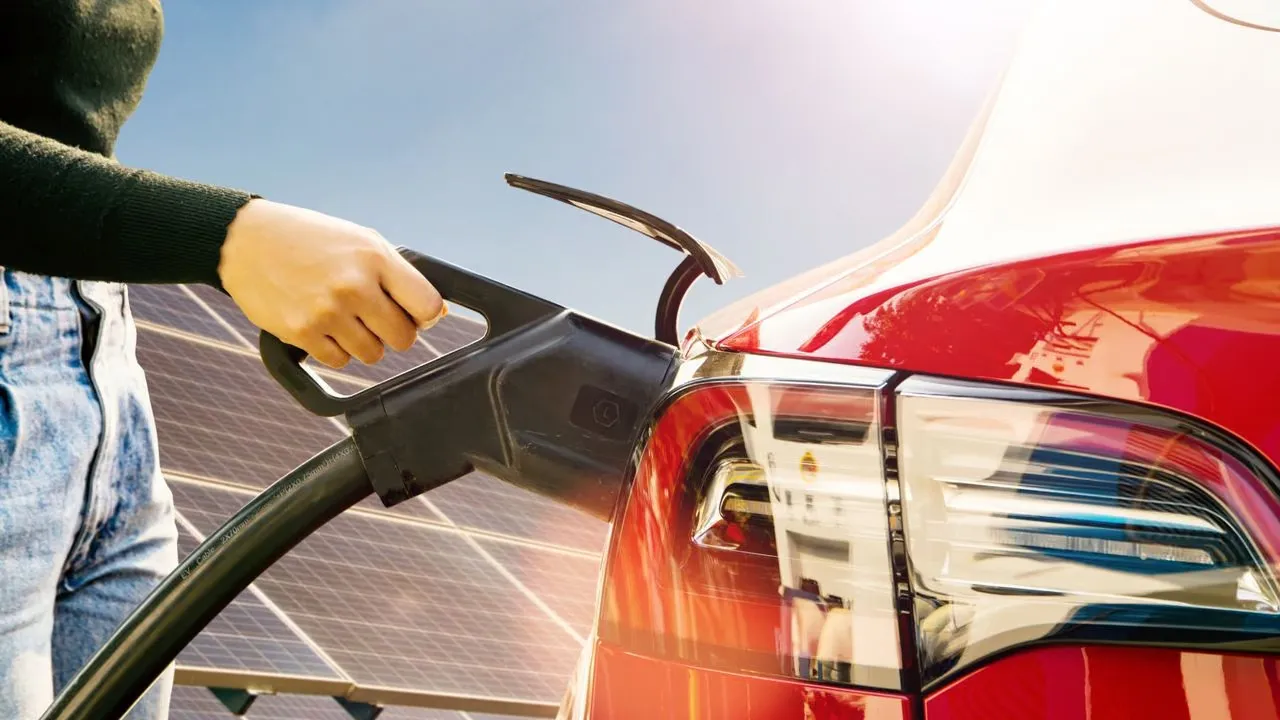
As electric vehicles (EVs) become increasingly popular, more and more people are considering the benefits of charging their vehicles at home. Residential charging offers convenience, cost savings, and the ability to start each day with a full battery. However, before setting up a home charging station, there are a few important factors to consider.
Charging Cost
One of the primary advantages of charging an electric vehicle at home is the potential for cost savings. While the cost of electricity varies depending on location and utility provider, it is generally much cheaper than gasoline. Additionally, many utility companies offer special rates or incentives for EV owners, such as off-peak charging discounts.
When calculating the charging cost, it is important to consider the efficiency of the vehicle and the charging equipment. Some EVs are more energy-efficient than others, meaning they require less electricity to travel the same distance. Similarly, the charging equipment’s efficiency can vary, with some models being more effective at converting electricity into usable energy for the vehicle.
To estimate the charging cost, multiply the electricity rate (in kilowatt-hours) by the vehicle’s charging efficiency and the distance traveled. For example, if the electricity rate is $0.12 per kilowatt-hour, the vehicle’s charging efficiency is 90%, and the distance traveled is 100 miles, the estimated charging cost would be $0.12 * 0.9 * 100 = $10.80.
Residential Charging Options
There are several options available for residential EV charging, ranging from basic Level 1 charging to more advanced Level 2 charging.
Level 1 Charging
Level 1 charging is the simplest and most affordable option for home charging. It involves plugging the vehicle into a standard 120-volt electrical outlet using the charging cable provided with the EV. While Level 1 charging is convenient, it is also the slowest option, typically providing around 4-5 miles of range per hour of charging.
Level 1 charging is best suited for EV owners with shorter daily commutes or access to public charging stations for longer trips. It is also a good option for those who do not have access to dedicated parking or electrical upgrades in their homes.
Level 2 Charging
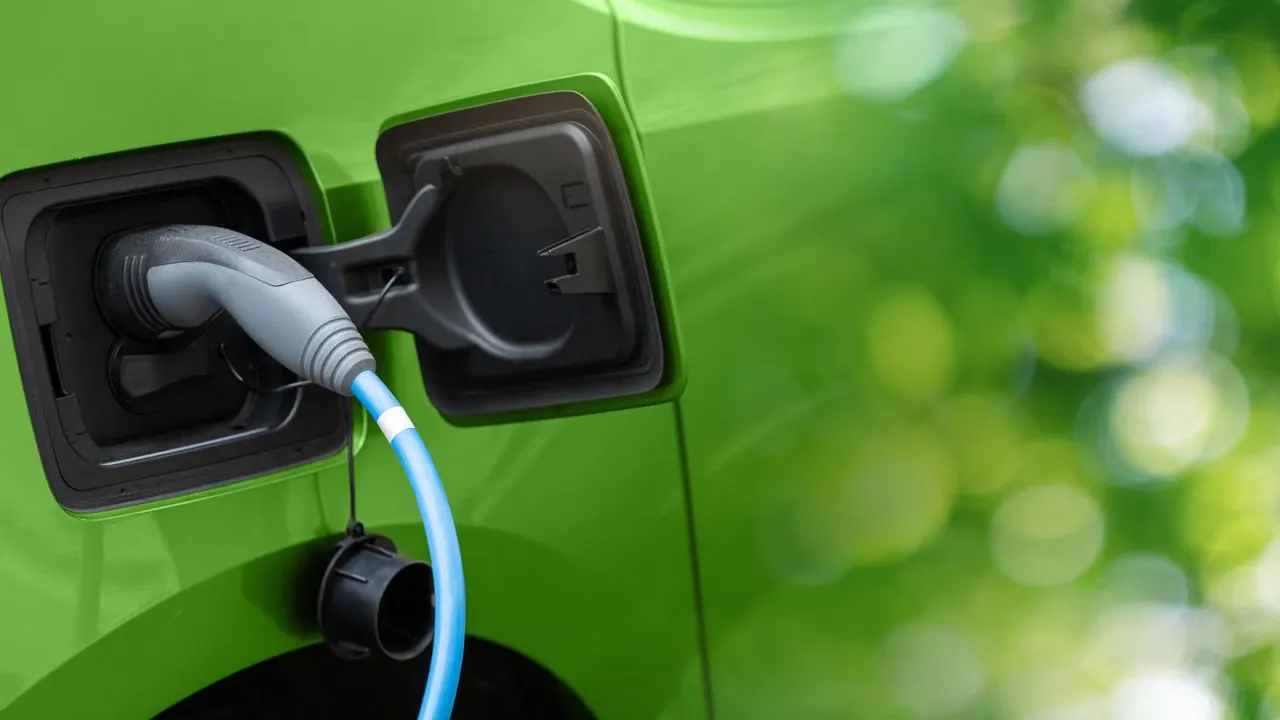
Level 2 charging requires the installation of a dedicated charging station, which operates on a 240-volt electrical circuit. This option provides faster charging speeds, typically offering around 25-30 miles of range per hour of charging.
Installing a Level 2 charging station may require professional electrical work, as it often involves upgrading the electrical panel and wiring. However, many EV owners find the investment worthwhile due to the increased convenience and faster charging times.
Home Charging Safety
When setting up a home charging station, safety should be a top priority. Here are a few key considerations:
Electrical Safety
It is crucial to ensure that the electrical system in your home can handle the additional load of an EV charger. Consult with a licensed electrician to assess the capacity of your electrical panel and make any necessary upgrades.
Additionally, use a dedicated circuit for the charging station to minimize the risk of overloading and electrical hazards. Avoid using extension cords or adapters, and make sure the charging cable is in good condition.
Fire Safety
EV charging stations generate heat, so it is important to install them in well-ventilated areas to prevent overheating. Keep flammable materials away from the charging station and regularly inspect it for any signs of damage or malfunction.
Consider installing a fire extinguisher near the charging station and familiarize yourself with the proper procedures for handling an EV-related fire.
Security
Protecting your charging equipment from theft or vandalism is essential. If possible, install the charging station in a secure location, such as a locked garage or behind a fence. Some charging stations also come with built-in security features, such as locking mechanisms or RFID card access.
Remember to register your charging station with the manufacturer to receive any software updates or security patches.
Conclusion
Charging an electric vehicle at home offers numerous benefits, including cost savings, convenience, and the ability to start each day with a full battery. By considering the charging cost, exploring different residential charging options, and prioritizing home charging safety, EV owners can enjoy a seamless and efficient charging experience.