
Electric Vehicle Charging: Smart, Wireless, Fast
Electric Vehicle Charging Infrastructure: Exploring the Future of Smart, Wireless, and Fast Charging
As electric vehicles (EVs) gain popularity, the need for a robust and efficient charging infrastructure becomes increasingly important. Traditional charging methods are being replaced by innovative technologies such as smart charging, wireless charging, and fast charging. In this article, we will delve into these advancements and explore their potential to revolutionize the way we charge our electric vehicles.
Smart Charging: Enhancing Efficiency and Grid Integration
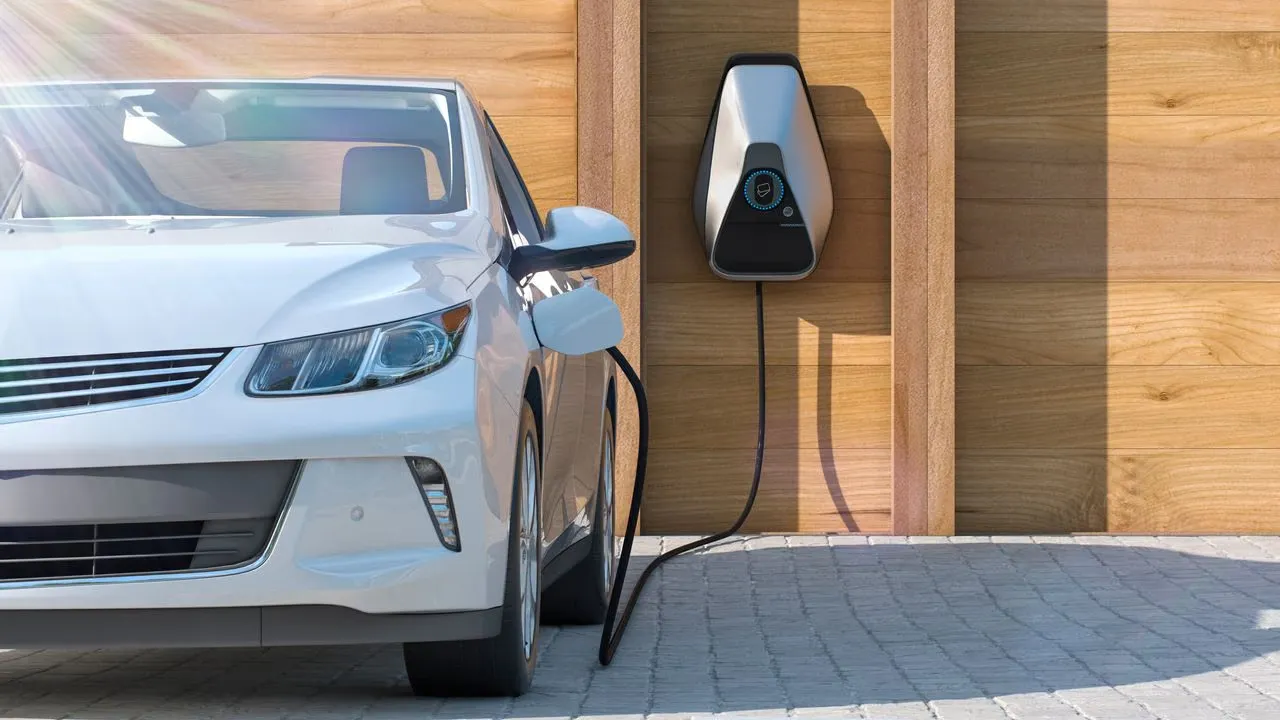
Smart charging refers to the intelligent management of EV charging based on factors such as electricity demand, grid capacity, and user preferences. By utilizing advanced communication and control systems, smart charging optimizes the charging process to maximize efficiency and minimize strain on the electrical grid.
One of the key advantages of smart charging is its ability to enable grid integration. With bi-directional communication capabilities, EVs can not only draw electricity from the grid but also provide power back to it when needed. This concept, known as vehicle-to-grid (V2G) technology, has the potential to transform EVs into mobile energy storage units, helping to stabilize the grid and enhance renewable energy integration.
Furthermore, smart charging allows for dynamic pricing models, where electricity rates vary based on demand. This incentivizes EV owners to charge their vehicles during off-peak hours when electricity is cheaper, reducing the strain on the grid during peak times.
Wireless Charging: Convenience and Simplified Infrastructure
Wireless charging, also known as inductive charging, eliminates the need for physical cables and connectors by transferring energy through an electromagnetic field. This technology offers a convenient and hassle-free charging experience for EV owners.
Wireless charging pads or plates are installed on the ground or embedded in parking spaces. When an EV equipped with a compatible receiver parks over the charging pad, the charging process begins automatically. This eliminates the need for manual plugging and unplugging, making charging effortless and user-friendly.
Moreover, wireless charging reduces the need for extensive infrastructure deployment. Charging pads can be installed in various locations, such as parking lots, streets, and even private garages, without the requirement for dedicated charging stations. This flexibility in installation makes wireless charging a viable option for both residential and public charging scenarios.
Fast Charging: Reducing Charging Time for Increased Convenience
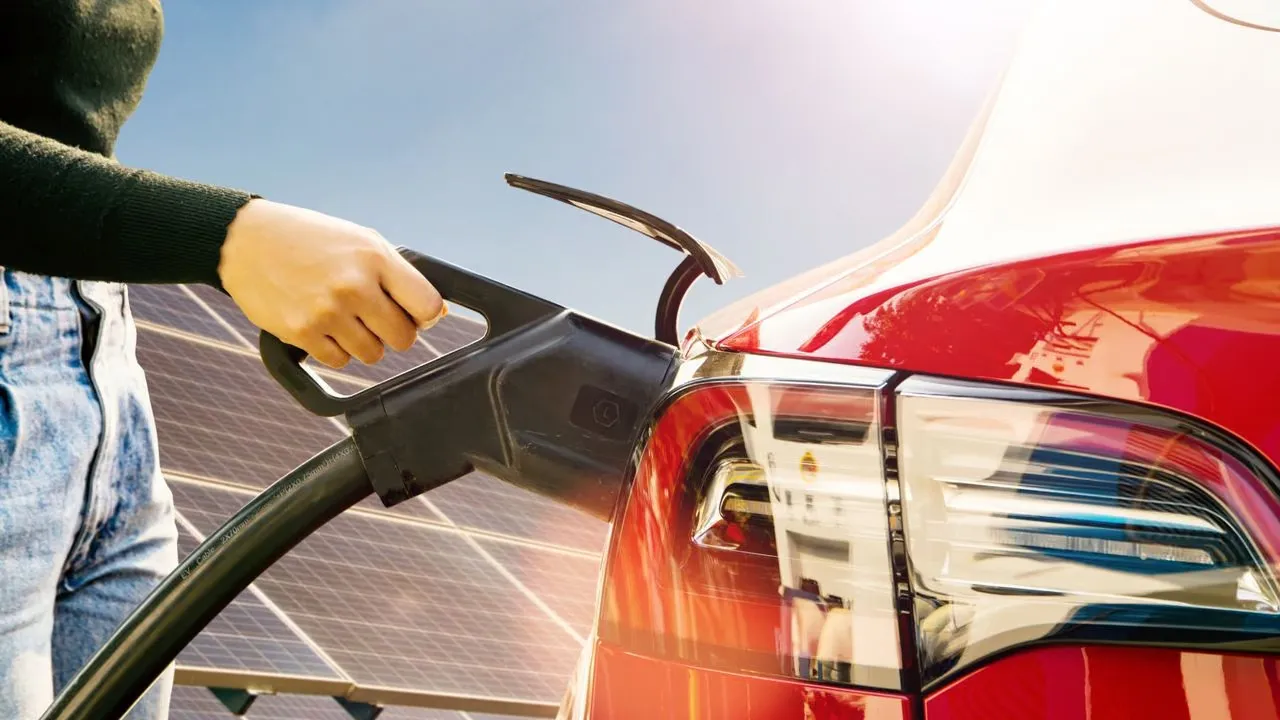
Fast charging, also referred to as rapid charging or DC fast charging, is designed to significantly reduce the time required to charge an EV. Unlike standard AC charging, which typically takes several hours, fast charging can provide a substantial charge in a matter of minutes.
Fast charging stations utilize higher voltage and power levels to deliver a rapid charge to the EV’s battery. This technology is particularly beneficial for long-distance travel or situations where quick charging is essential.
However, it is important to note that fast charging may cause increased battery degradation due to the higher charging currents. Therefore, it is recommended to use fast charging sparingly and rely on slower charging methods for day-to-day charging needs.
In Conclusion
The future of electric vehicle charging infrastructure is rapidly evolving, with smart charging, wireless charging, and fast charging at the forefront of innovation. These technologies offer enhanced efficiency, convenience, and reduced charging times, making EV ownership more accessible and practical.
As the adoption of electric vehicles continues to grow, it is crucial to invest in a robust charging infrastructure that can meet the increasing demand. By embracing smart, wireless, and fast charging technologies, we can pave the way for a sustainable and electrified future.