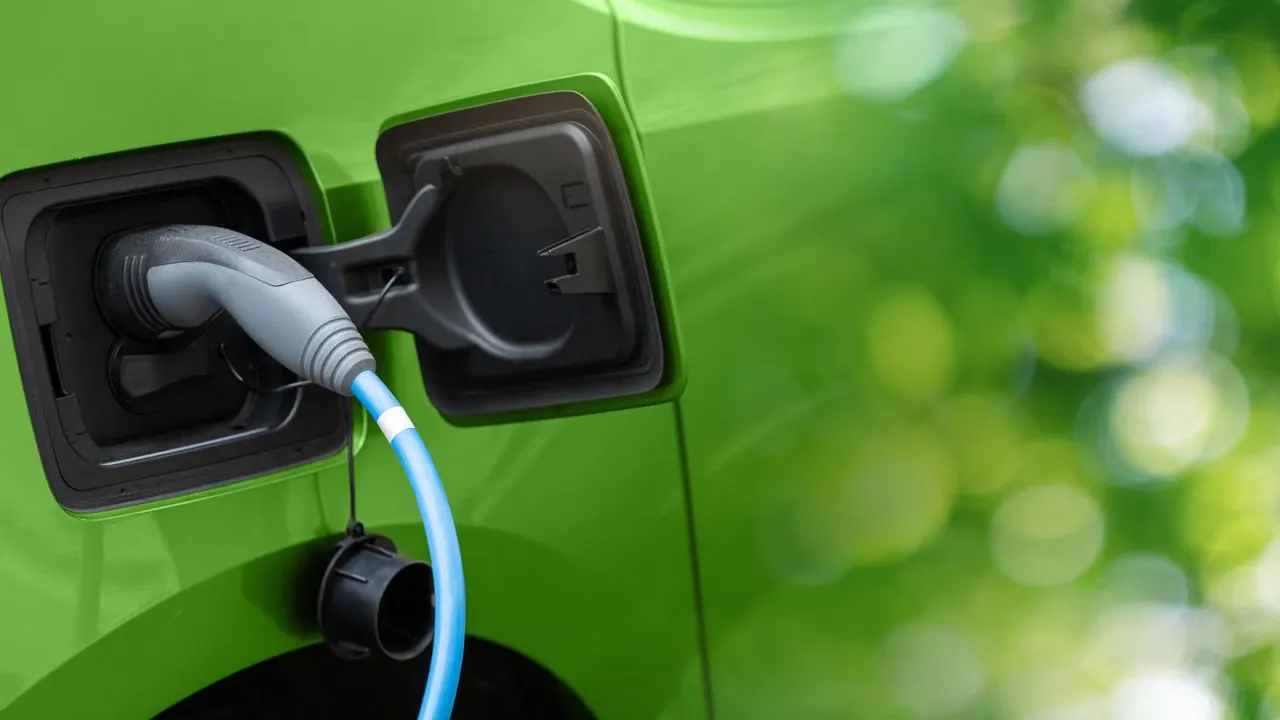


Enhancing EV Charging User Experience
EV Charging Platform User Experience: Enhancing Convenience and Efficiency
In recent years, the adoption of electric vehicles (EVs) has been on the rise, with more and more individuals and businesses embracing sustainable transportation options. As the demand for EVs continues to grow, so does the need for a robust and user-friendly EV charging infrastructure. One crucial aspect of this infrastructure is the EV charging platform user experience, which encompasses various elements such as charging platform user support, charging platform user training, and charging platform user-friendly design.
Charging Platform User Support: Ensuring Seamless Operation
One of the key factors that contribute to a positive EV charging platform user experience is reliable and efficient support. Users may encounter technical issues or have questions regarding the charging process, and having a knowledgeable support team readily available to assist them can make a significant difference. Whether it’s through live chat, phone support, or email, providing prompt and helpful responses to user inquiries can enhance user satisfaction and build trust in the charging platform.
Furthermore, proactive support measures can be implemented to address potential issues before they arise. Regular system maintenance, remote monitoring, and software updates can help prevent downtime and ensure a smooth charging experience for users. By prioritizing charging platform user support, EV charging providers can demonstrate their commitment to customer satisfaction and foster long-term relationships with their users.
Charging Platform User Training: Empowering Users
While EV charging technology continues to advance, it is essential to remember that not all users may be familiar with the intricacies of charging an electric vehicle. Providing comprehensive training resources can empower users to make the most of the charging platform and minimize any potential confusion or frustration.
Training materials can include user manuals, video tutorials, and online guides that explain the charging process step-by-step. Additionally, hosting webinars or in-person workshops can offer users the opportunity to ask questions and gain a deeper understanding of the charging platform’s features and functionalities. By investing in charging platform user training, EV charging providers can ensure that users feel confident and competent when utilizing the charging infrastructure.
Charging Platform User-Friendly Design: Simplifying the Experience
A charging platform’s design plays a vital role in shaping the overall user experience. A user-friendly interface that is intuitive and easy to navigate can significantly enhance the convenience and efficiency of the charging process. When designing a charging platform, several key elements should be considered:
- Clear and concise information: Users should have access to real-time data on charging station availability, charging speeds, and pricing. Providing this information in a clear and concise manner can help users make informed decisions and avoid unnecessary delays.
- Simple reservation and payment process: Streamlining the reservation and payment process can save users time and effort. Implementing features such as mobile payment options and user-friendly booking interfaces can contribute to a seamless user experience.
- Intuitive user interface: A well-designed user interface should have logical navigation, easily identifiable icons, and intuitive controls. Minimizing the number of steps required to initiate a charging session can enhance user satisfaction and encourage repeat usage.
- Compatibility with multiple devices: Users should be able to access the charging platform from various devices, including smartphones, tablets, and computers. Ensuring compatibility across different platforms and screen sizes can accommodate users’ preferences and enhance accessibility.
By prioritizing charging platform user-friendly design, EV charging providers can create an environment that is welcoming and easy to use, ultimately encouraging more individuals to embrace electric vehicles and utilize the charging infrastructure.
Conclusion
As the demand for electric vehicles continues to grow, it is crucial to prioritize the EV charging platform user experience. By providing robust charging platform user support, comprehensive charging platform user training, and a user-friendly design, EV charging providers can enhance convenience, efficiency, and user satisfaction. Investing in these aspects of the user experience can contribute to the widespread adoption of electric vehicles and the development of a sustainable transportation future.