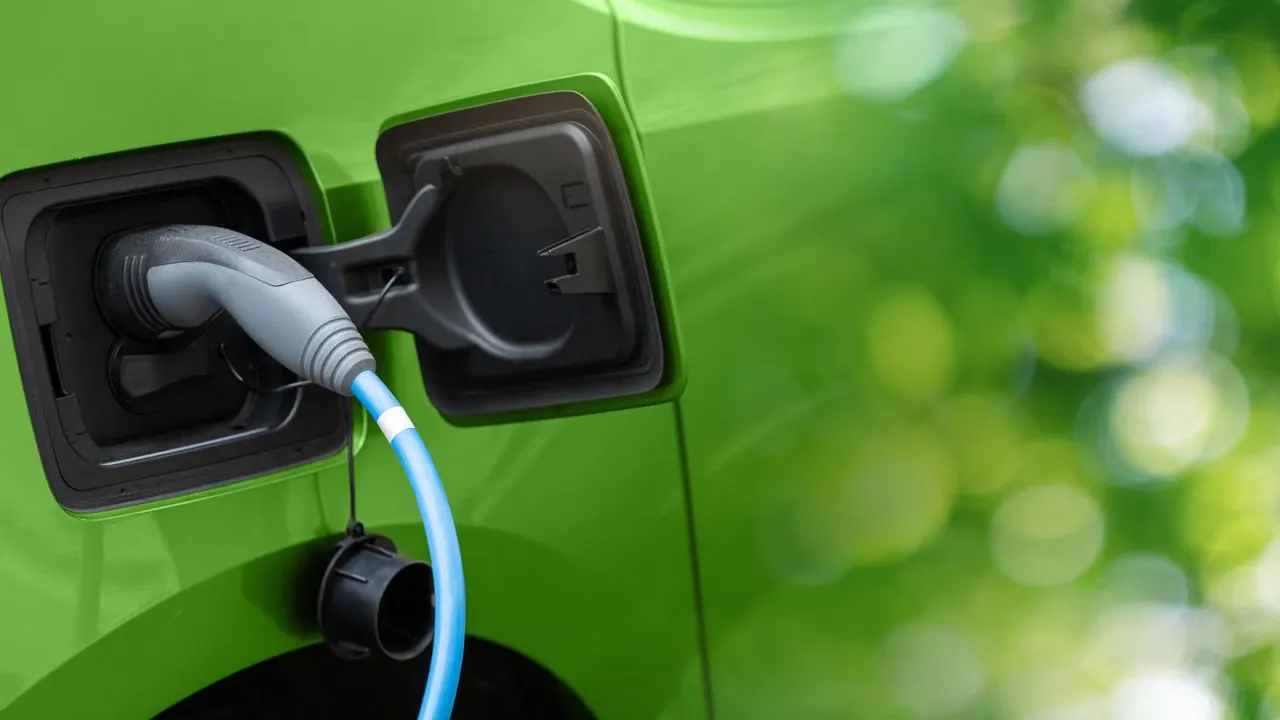


EV Charging Network Management: Scalability, Remote Control, Security
EV Charging Network Management: Ensuring Scalability, Remote Control, and Security
As the popularity of electric vehicles (EVs) continues to rise, the need for a robust and efficient charging infrastructure becomes increasingly important. EV charging network management plays a crucial role in ensuring the scalability, remote control, and security of these networks. In this article, we will explore these three key aspects and their significance in the world of EV charging.
Charging Network Scalability
One of the primary challenges faced by EV charging networks is scalability. As more and more EVs hit the road, the demand for charging stations grows exponentially. To accommodate this growing demand, charging network operators must ensure that their infrastructure is scalable.
Scalability involves the ability to expand the charging network seamlessly without compromising its performance. This means that as the number of EVs increases, the charging network should be able to handle the load efficiently. Scalability also enables charging network operators to add new charging stations or upgrade existing ones without disrupting the overall network operations.
Implementing a scalable charging network requires careful planning and the use of advanced technologies. Intelligent charging management systems that can dynamically allocate power based on demand and optimize charging schedules play a vital role in achieving scalability. By leveraging these technologies, charging network operators can ensure that their infrastructure can keep up with the ever-growing demand for EV charging.
Charging Network Remote Control
Remote control capabilities are essential for efficient management of EV charging networks. Being able to monitor and control charging stations remotely provides charging network operators with greater flexibility and control over their infrastructure.
Remote control allows operators to monitor the status of charging stations in real-time, identify any issues or faults, and take immediate action to resolve them. It also enables them to optimize charging schedules, manage power distribution, and perform software updates without physically visiting each charging station.
Advanced charging management systems equipped with remote control capabilities provide a centralized dashboard that allows operators to monitor the entire charging network from a single interface. This not only saves time and effort but also improves the overall efficiency of the charging network.
Charging Network Security
Security is a critical aspect of EV charging network management. With the increasing reliance on digital technologies, charging networks are vulnerable to cyber threats and unauthorized access. Ensuring the security of the charging infrastructure is paramount to protect the privacy and safety of EV owners.
Implementing robust security measures involves multiple layers of protection. Encryption techniques can be used to secure communication between charging stations and the central management system. Access controls, such as authentication and authorization mechanisms, help prevent unauthorized access to the charging network.
Regular security audits and updates are essential to identify and address any vulnerabilities in the charging network. Charging network operators must also stay updated with the latest security standards and regulations to ensure compliance and protect against emerging threats.
Conclusion
EV charging network management plays a crucial role in ensuring the scalability, remote control, and security of charging infrastructure. By implementing scalable solutions, leveraging remote control capabilities, and prioritizing security measures, charging network operators can meet the growing demand for EV charging while providing a reliable and secure experience for EV owners.