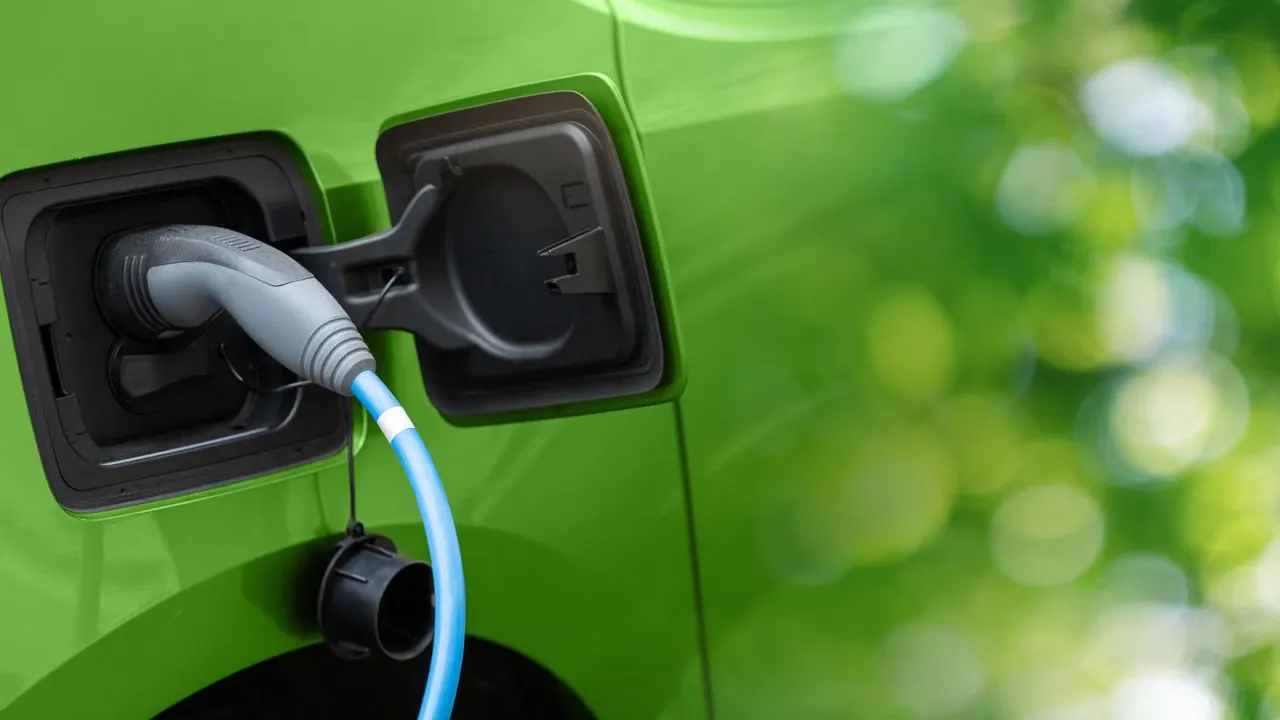


EV Charging Platform User Experience Guide
EV Charging Platform User Experience: A Comprehensive Guide
Electric vehicles (EVs) are becoming increasingly popular as people recognize the importance of reducing carbon emissions and transitioning to sustainable transportation options. As the demand for EVs rises, so does the need for efficient and user-friendly EV charging platforms. In this article, we will explore the user experience of EV charging platforms, focusing on charging platform user profiles, charging platform user onboarding, and charging platform user interface.
Charging Platform User Profiles
Charging platform user profiles play a crucial role in enhancing the overall user experience. These profiles allow users to create personalized accounts and manage their charging activities efficiently. When creating a user profile, it is essential to collect relevant information such as the user’s name, contact details, and preferred payment method. Additionally, users should have the option to link their EV’s information, including make, model, and battery capacity, to their profile.
By having this information readily available, charging platforms can provide users with personalized charging recommendations, tailored to their specific EV model and battery capacity. This ensures that users receive accurate information about charging times and available charging stations, enhancing their overall experience.
Charging Platform User Onboarding
Charging platform user onboarding refers to the process of introducing new users to the platform and guiding them through its features and functionalities. A smooth onboarding experience is crucial for user retention and satisfaction. To achieve this, charging platforms should provide clear and concise instructions on how to create an account, link their EV information, and navigate the platform.
During the onboarding process, it is essential to educate users about the different types of charging stations available, including Level 1, Level 2, and DC fast chargers. This information helps users understand the charging capabilities of their EV and select the appropriate charging station for their needs.
Furthermore, charging platforms can enhance the onboarding experience by providing interactive tutorials or videos that demonstrate how to use the platform’s features effectively. This hands-on approach allows users to familiarize themselves with the platform quickly and reduces the chances of confusion or frustration.
Charging Platform User Interface
The charging platform user interface (UI) plays a vital role in delivering a seamless and intuitive user experience. A well-designed UI ensures that users can easily navigate the platform, locate nearby charging stations, and initiate charging sessions without any hassle.
When designing the UI, it is crucial to prioritize simplicity and clarity. The platform should have a clean layout with easily identifiable buttons and icons. Users should be able to view charging station availability, charging rates, and estimated charging times at a glance. Additionally, the UI should provide real-time updates on the status of charging sessions, allowing users to monitor their charging progress remotely.
Moreover, the UI should be responsive and compatible with different devices, including smartphones, tablets, and desktop computers. This ensures that users can access the platform from anywhere, at any time, making the charging process more convenient and accessible.
Conclusion
In conclusion, the user experience of EV charging platforms plays a crucial role in promoting the widespread adoption of electric vehicles. By focusing on charging platform user profiles, charging platform user onboarding, and charging platform user interface, charging platforms can provide users with a seamless and efficient charging experience. As the demand for EVs continues to grow, it is essential for charging platforms to prioritize user-centric design and continuously improve their platforms to meet the evolving needs of EV owners.