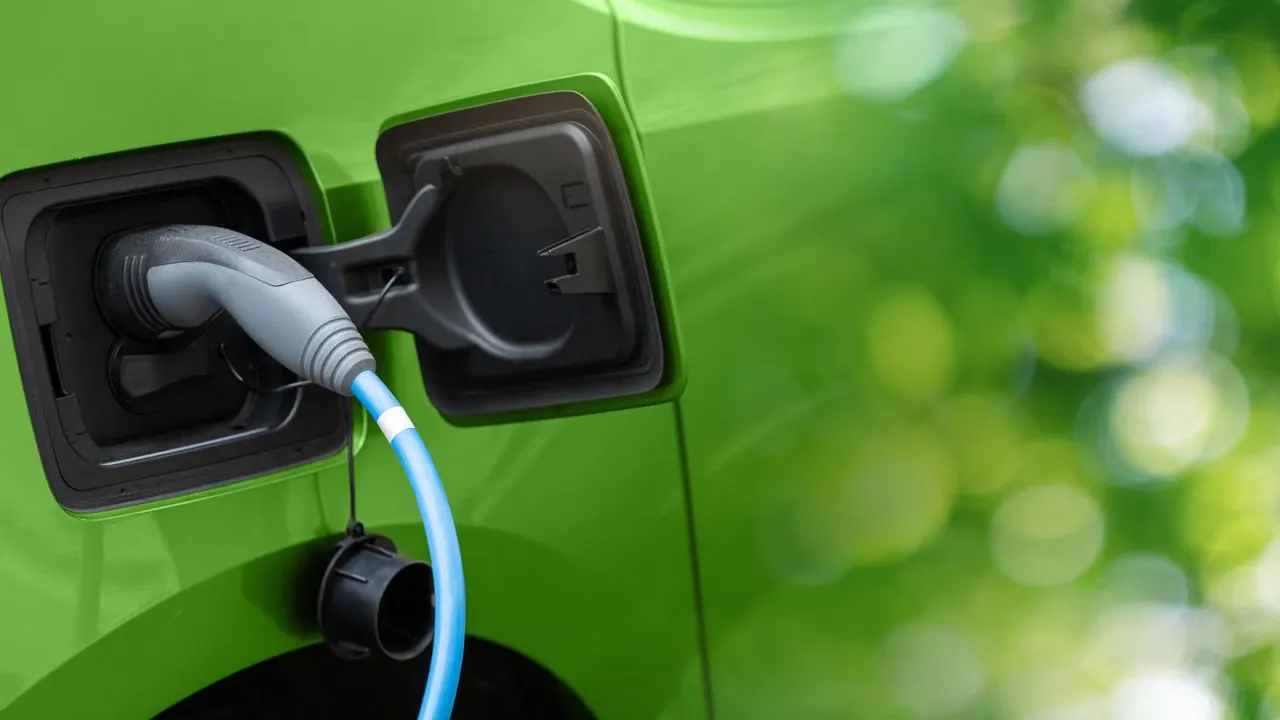


EV Charging Station Billing and Payments: A Seamless Experience
EV Charging Station Billing and Payments: Ensuring a Smooth and Convenient Experience
As the adoption of electric vehicles (EVs) continues to rise, the need for an efficient and reliable charging infrastructure becomes increasingly important. One crucial aspect of this infrastructure is the billing and payment system for EV charging stations. In order to provide a seamless experience for EV owners, it is essential to have robust charging station payment tracking, payment notifications, and payment APIs in place.
Charging Station Payment Tracking
Effective charging station payment tracking is vital for both the operators and users of EV charging stations. For operators, it allows them to keep track of the revenue generated from each charging session and monitor the overall usage of their stations. This data can be used to optimize the charging infrastructure, identify any issues or bottlenecks, and make informed business decisions.
On the user’s side, payment tracking provides transparency and peace of mind. EV owners can easily access and review their charging history, including the duration of each session and the associated costs. This information helps them manage their expenses and plan their charging needs accordingly.
Charging Station Payment Notifications
Payment notifications play a crucial role in ensuring a smooth and hassle-free charging experience for EV owners. When a charging session is completed, users should receive timely notifications regarding the payment status and transaction details. This allows them to stay informed and promptly address any payment-related issues that may arise.
Payment notifications can be delivered through various channels, such as email, SMS, or mobile applications. The choice of communication method depends on the preferences of the EV owners and the capabilities of the charging station operator. Regardless of the channel used, the notifications should be clear, concise, and provide all the necessary information to facilitate a smooth payment process.
Charging Station Payment APIs
Payment Application Programming Interfaces (APIs) are essential for integrating the charging station billing and payment system with other software applications and platforms. Charging station payment APIs enable seamless communication between the charging infrastructure, payment gateways, and backend systems.
By leveraging payment APIs, charging station operators can streamline the payment process, reduce manual intervention, and minimize the risk of errors. EV owners can benefit from the convenience of using their preferred payment methods, such as credit cards or mobile wallets, without the need for additional authentication or manual data entry.
Moreover, payment APIs facilitate the integration of loyalty programs, discounts, and promotions, enhancing the overall user experience and incentivizing the adoption of electric vehicles.
Conclusion
Efficient billing and payment systems are crucial for the success of EV charging stations. Charging station payment tracking, payment notifications, and payment APIs are essential components that contribute to a seamless and convenient experience for both operators and users. By investing in robust payment infrastructure, we can accelerate the adoption of electric vehicles and build a sustainable future.