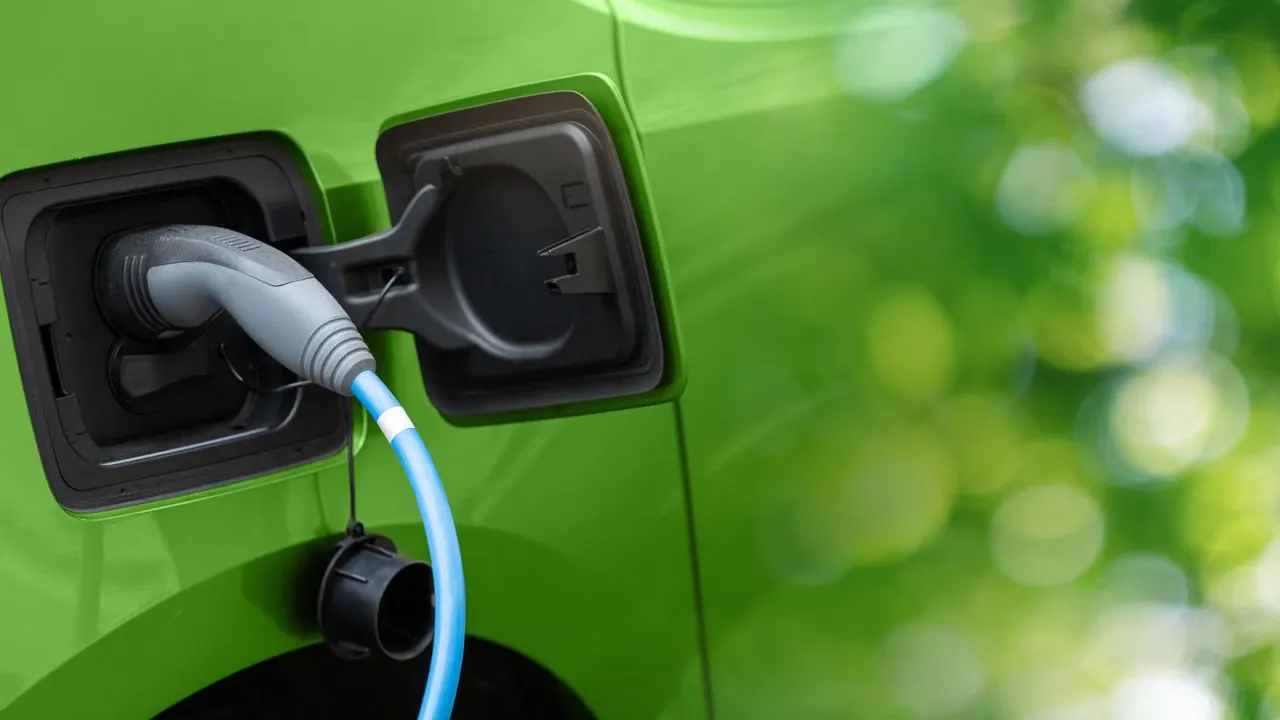


EV Charging Station Management: Powering the Future
EV Charging Station Management: The Key to a Sustainable Future
With the increasing popularity of electric vehicles (EVs), the need for efficient and reliable charging infrastructure has become more important than ever. EV charging station management plays a crucial role in ensuring that EV owners have access to convenient and secure charging facilities. In this article, we will explore the importance of charging station connectivity, security, and control in creating a sustainable future for electric mobility.
Charging Station Connectivity: Powering the Future
One of the primary challenges in managing EV charging stations is ensuring seamless connectivity. EV charging stations need to be connected to a network to enable real-time monitoring, data collection, and remote control. This connectivity allows charging station operators to monitor the availability and performance of the charging infrastructure, detect faults, and provide timely maintenance.
Moreover, charging station connectivity enables EV owners to easily locate and reserve charging stations through mobile apps or online platforms. This convenience eliminates the hassle of searching for available charging stations and ensures a smooth charging experience for EV owners.
Charging Station Security: Protecting Your Investment
Security is a critical aspect of EV charging station management. Charging stations are valuable assets that require protection against theft, vandalism, and unauthorized access. Implementing robust security measures not only safeguards the charging infrastructure but also instills confidence in EV owners.
One of the key security features is the use of authentication mechanisms. EV owners can use RFID cards, mobile apps, or other secure methods to access the charging stations. This ensures that only authorized users can utilize the charging facilities, preventing misuse or unauthorized charging.
Additionally, video surveillance and remote monitoring systems can be installed to deter potential vandals and provide evidence in case of any security breaches. These measures contribute to the overall safety and reliability of the charging infrastructure.
Charging Station Control: Optimizing Efficiency
Efficient control of EV charging stations is crucial to meet the growing demand for electric mobility. Charging station operators need to have the ability to manage and control the charging process effectively. This includes setting pricing policies, managing user access, and optimizing charging schedules.
By implementing smart charging algorithms, charging station operators can balance the load on the electrical grid, avoid peak demand charges, and optimize the charging process for both the EV owners and the utility companies. This not only ensures a fair and cost-effective charging experience but also contributes to the overall stability of the electrical grid.
Furthermore, charging station control systems can provide real-time data on energy consumption, charging patterns, and user behavior. This data can be utilized to analyze usage trends, plan future infrastructure expansions, and make informed decisions to enhance the overall charging experience.
In Conclusion
EV charging station management plays a crucial role in creating a sustainable future for electric mobility. By focusing on charging station connectivity, security, and control, we can ensure that EV owners have access to convenient, reliable, and secure charging facilities. With the right management strategies in place, we can pave the way for a greener and more sustainable transportation system.