
Exploring Public Charging Stations for Electric Vehicles
Public Charging Stations: Where Can You Charge Your Electric Vehicle?
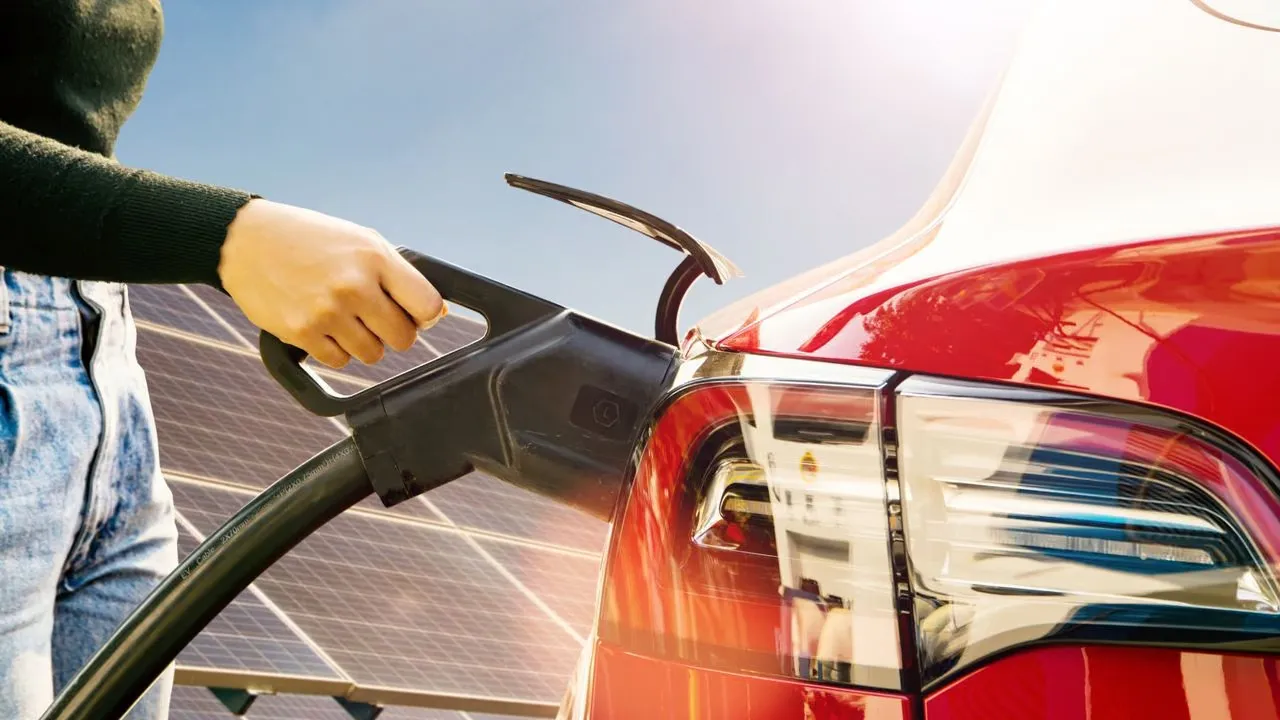
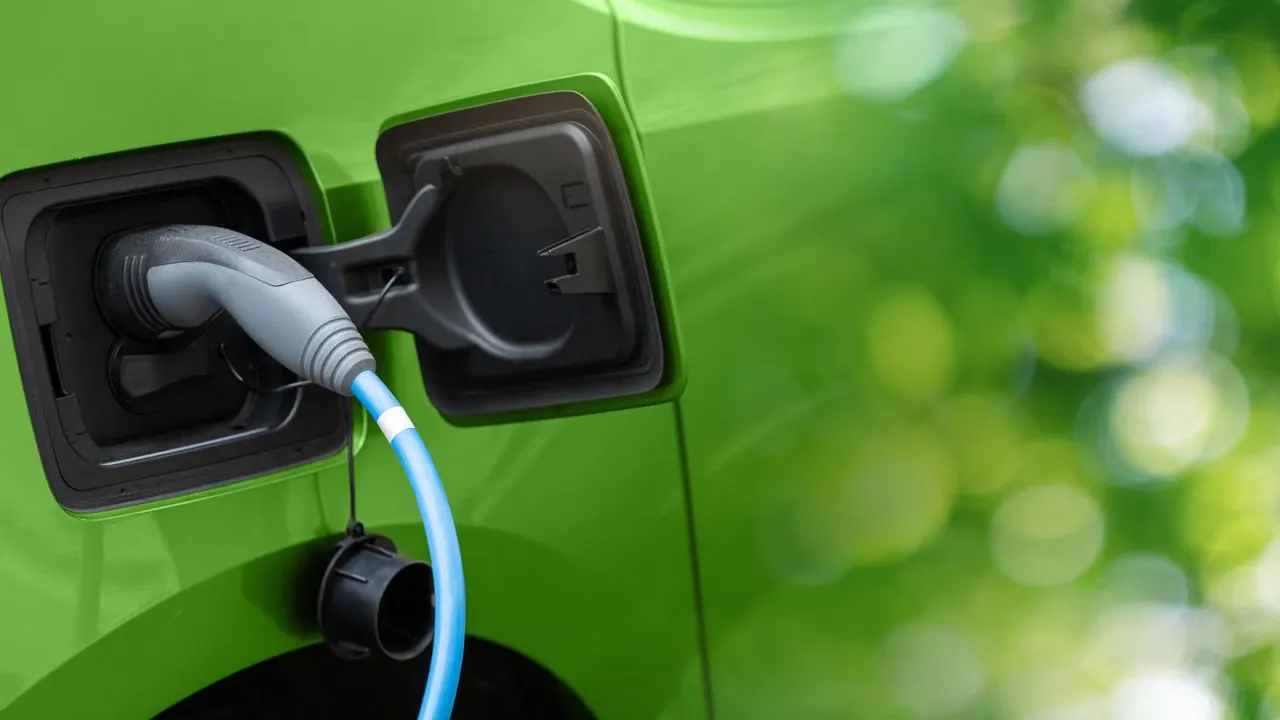
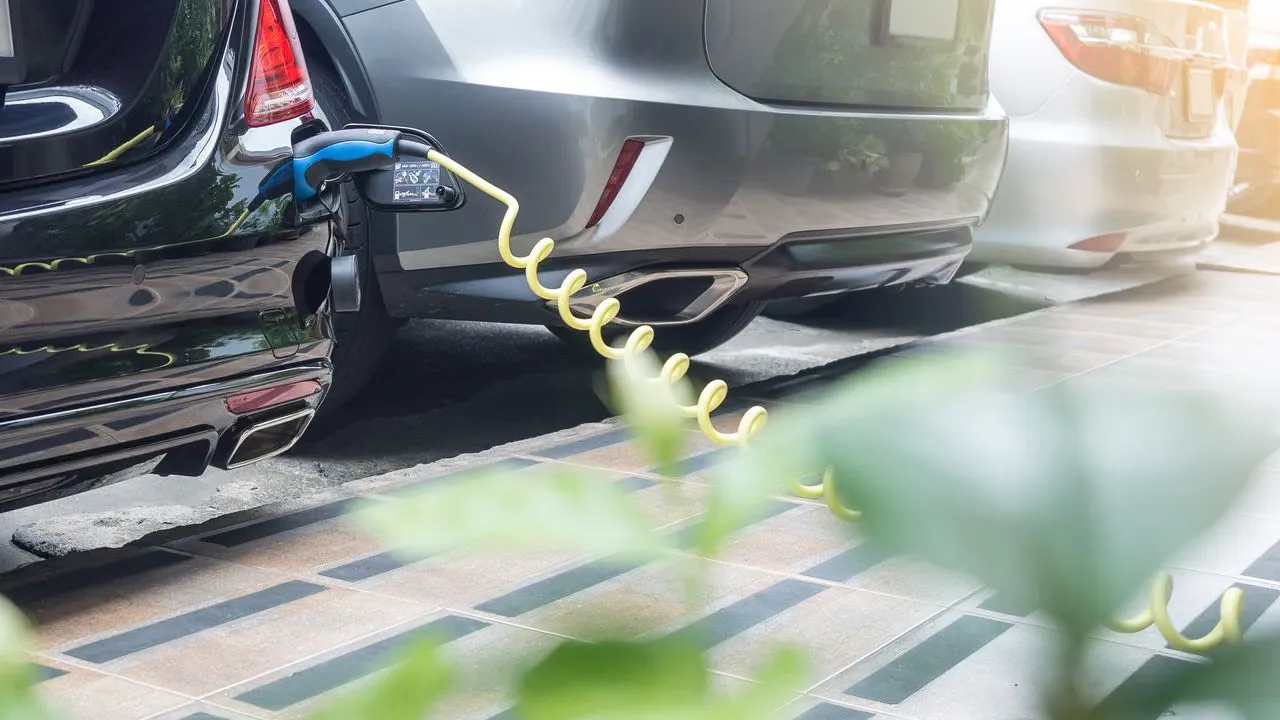
As electric vehicles (EVs) become more popular, one of the main concerns for EV owners is the availability of public charging stations. After all, what good is an EV if you can’t find a place to charge it when you’re on the go? In this article, we’ll explore the current state of public charging stations, including charging speed, charging networks, and charging station partnerships.
Charging Speed: Fast, Faster, Fastest
When it comes to charging an EV, speed matters. No one wants to spend hours waiting for their vehicle to charge. Thankfully, public charging stations have come a long way in terms of charging speed.
Level 1 charging, which uses a standard household outlet, is the slowest option. It typically takes around 8-12 hours to fully charge an EV using a Level 1 charger. While this may be suitable for overnight charging at home, it’s not ideal for public charging.
Level 2 charging, on the other hand, offers a faster charging option. These stations use a 240-volt power source and can charge an EV in 4-8 hours, depending on the battery size. Level 2 chargers are commonly found in public parking lots, shopping centers, and other high-traffic areas.
For those in a hurry, Level 3 charging, also known as DC fast charging, is the way to go. These stations can charge an EV to 80% in as little as 30 minutes. However, it’s important to note that not all EVs are compatible with Level 3 chargers, so it’s essential to check your vehicle’s specifications before relying on this option.
Charging Networks: Expanding Across the Country
One of the challenges for EV owners is the lack of a standardized charging network. Unlike gas stations, which are ubiquitous, charging stations are still relatively sparse in some areas. However, this is changing rapidly as more companies invest in expanding their charging networks.
Companies like Tesla, Electrify America, and ChargePoint are leading the way in building charging infrastructure across the country. Tesla, for example, has its Supercharger network, which offers fast charging exclusively for Tesla vehicles. Electrify America and ChargePoint, on the other hand, provide charging stations that are compatible with multiple EV brands.
These charging networks are not only expanding in terms of the number of stations but also in terms of geographical coverage. EV owners can now find charging stations along major highways, in urban areas, and even in rural locations.
Charging Station Partnerships: Collaboration for Convenience
Another positive development in the world of public charging stations is the emergence of charging station partnerships. These partnerships allow EV owners to access charging stations from multiple networks using a single account or payment method.
For example, ChargePoint has partnered with various companies, including EVgo and FLO, to provide seamless access to their respective charging networks. This means that if you have a ChargePoint account, you can use charging stations from these partner networks without the need for additional memberships or payment methods.
Similarly, Electrify America has partnered with various retail and convenience store chains, such as Walmart and Target, to install charging stations at their locations. This collaboration not only increases the number of charging stations available but also makes them more convenient for EV owners.
In Conclusion
As the popularity of EVs continues to grow, so does the availability of public charging stations. With faster charging speeds, expanding charging networks, and collaborative partnerships, EV owners can now find more options for charging their vehicles while on the go. So, if you’re considering buying an EV, rest assured that finding a public charging station won’t be as challenging as it once was.