
Fast Charging vs Slow Charging for Electric Vehicles
Fast Charging vs. Slow Charging for Electric Vehicles: Which is Better?
As electric vehicles (EVs) become more popular, one of the key concerns for EV owners is the charging time. The time it takes to charge an EV can vary depending on the charging method used. Two common charging methods are fast charging and slow charging. In this article, we will explore the differences between these two methods and discuss their advantages and disadvantages.
Slow Charging
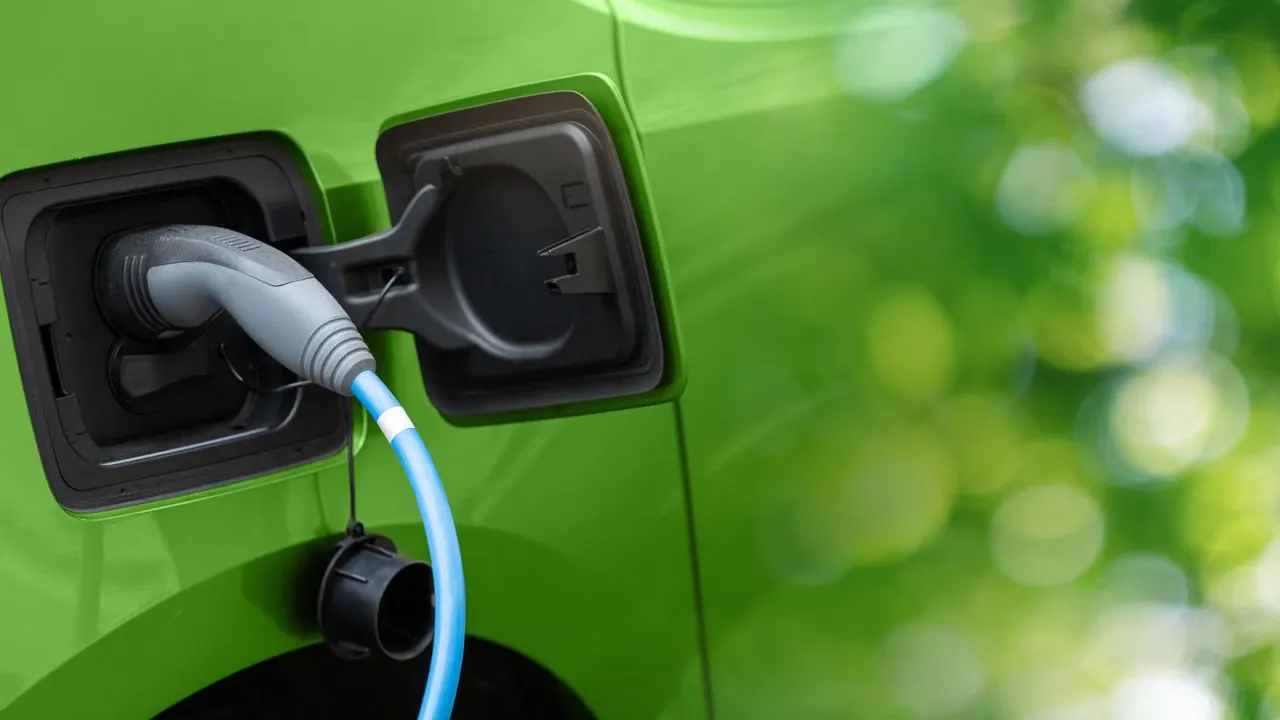
Slow charging, also known as level 1 or level 2 charging, refers to the process of charging an EV using a standard household outlet or a dedicated charging station. The charging power for slow charging is typically limited to 3.3 kW or 7.2 kW, depending on the EV and the charging equipment used.
One of the main advantages of slow charging is its accessibility. Since most households already have electrical outlets, EV owners can easily charge their vehicles at home without the need for additional infrastructure. Slow charging is also the most affordable option as it does not require any expensive charging equipment.
However, the downside of slow charging is the time it takes to fully charge an EV. Charging an EV from empty to full using slow charging can take anywhere from 8 to 20 hours, depending on the battery capacity. This long charging time can be inconvenient for EV owners who need their vehicles to be ready for use quickly.
Fast Charging
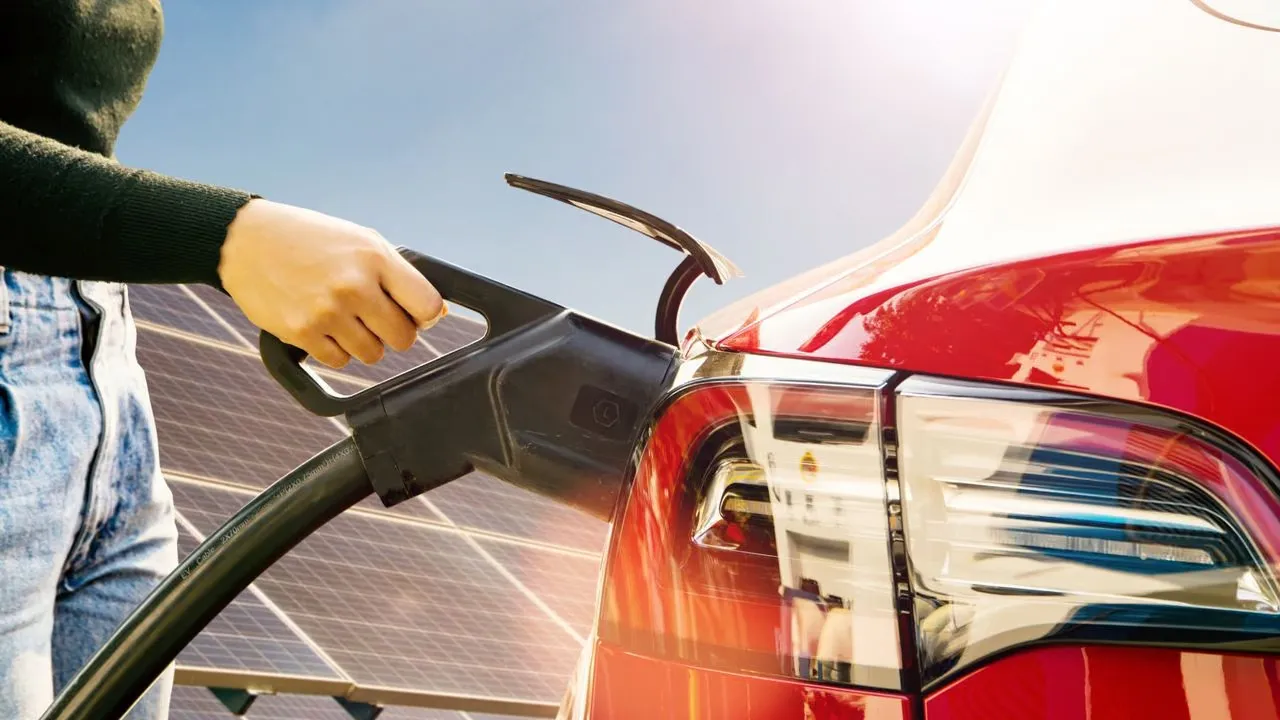
Fast charging, also known as level 3 or high-power charging, is a charging method that allows EVs to be charged at a much higher power level compared to slow charging. Fast charging stations are equipped with high-power chargers that can deliver charging power of up to 350 kW.
The main advantage of fast charging is its speed. With fast charging, EV owners can charge their vehicles from empty to 80% in as little as 30 minutes, depending on the EV and the charging station. This makes fast charging ideal for long-distance travel or when quick charging is needed.
However, fast charging has some drawbacks as well. Firstly, fast charging stations are not as widespread as slow charging stations, which can make it more challenging to find a fast charging station, especially in rural areas. Additionally, fast charging can put more strain on the EV’s battery, potentially reducing its overall lifespan.
Which is Better?
The choice between fast charging and slow charging depends on the individual needs and circumstances of the EV owner. Slow charging is more suitable for daily charging needs, where the vehicle can be left to charge overnight or during the day while at work. It is also a more practical option for those who have access to a dedicated charging station at home.
On the other hand, fast charging is ideal for long trips or when quick charging is required. It provides the convenience of rapidly replenishing the battery and getting back on the road. However, it is important to note that frequent use of fast charging can have an impact on the battery’s longevity.
Conclusion
Both fast charging and slow charging have their own advantages and disadvantages. Slow charging is more accessible and affordable, but it takes longer to fully charge the EV. Fast charging, on the other hand, offers rapid charging speeds but may be less readily available and can potentially affect the battery’s lifespan. Ultimately, the choice between the two depends on the specific needs and preferences of the EV owner.