
Managing EV Charging Stations: Uptime, Reporting, Optimization
Managing EV Charging Stations: Ensuring Uptime, Reporting, and Optimization
Remember the good old days when finding a charging station for your electric vehicle (EV) was like searching for a needle in a haystack? Well, those days are long gone. With the increasing popularity of EVs, charging stations have become more prevalent, making it easier for EV owners to power up their vehicles. But have you ever wondered how these charging stations are managed to ensure their uptime, provide accurate reporting, and optimize their performance? Let’s delve into the world of EV charging station management and explore the key aspects that keep them running smoothly.
Charging Station Uptime: Keeping the Power Flowing
Imagine driving to a charging station, only to find it out of service. Frustrating, right? That’s why charging station uptime is crucial. To ensure uninterrupted power supply, charging station operators employ various strategies.
Regular Maintenance: Just like any other piece of technology, charging stations require regular maintenance. This includes checking for faulty connectors, inspecting cables for wear and tear, and performing software updates. By staying on top of maintenance tasks, operators can prevent potential issues and keep the stations up and running.
24/7 Monitoring: Charging stations are monitored round the clock to detect any malfunctions or connectivity issues. This proactive approach allows operators to quickly address problems and minimize downtime. Additionally, remote monitoring systems can provide real-time notifications, ensuring prompt action is taken to resolve any issues.
Charging Station Reporting: Transparency and Accountability
Transparency and accountability are essential in managing charging stations. Operators need to have a clear understanding of how the stations are performing and ensure that they are meeting the needs of EV owners. This is where charging station reporting comes into play.
Data Collection: Charging stations are equipped with monitoring systems that collect valuable data, such as charging session duration, energy consumption, and user feedback. This data is then analyzed to gain insights into station usage patterns and identify areas for improvement.
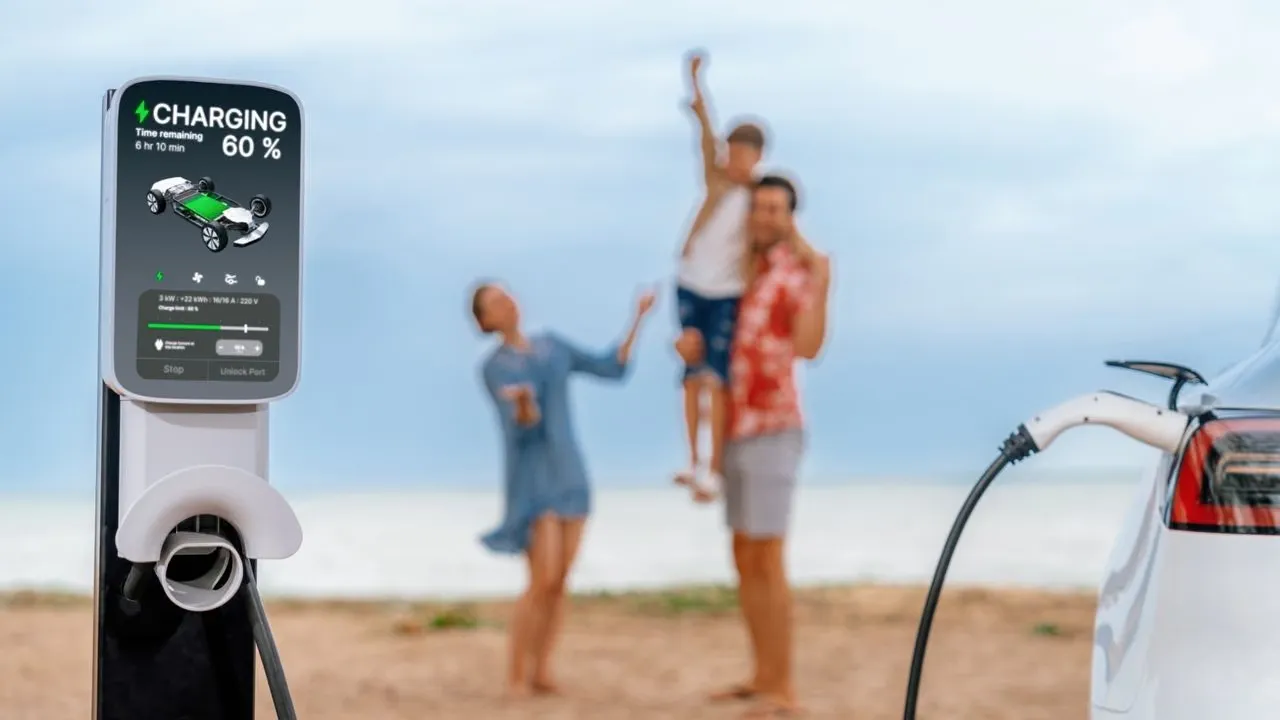
User-Friendly Interfaces: To promote transparency, charging stations often feature user-friendly interfaces that display real-time information about availability, charging rates, and estimated charging times. This allows EV owners to make informed decisions and plan their charging sessions accordingly.
Charging Station Optimization: Enhancing Performance
Optimizing charging station performance is crucial for meeting the growing demand for EV charging. By maximizing efficiency and minimizing wait times, operators can ensure a seamless charging experience for EV owners.
Smart Scheduling: Charging stations can be equipped with smart scheduling algorithms that optimize the use of available charging ports. These algorithms consider factors such as charging session duration, user demand, and peak usage times to allocate resources effectively and reduce waiting times.
Load Balancing: To prevent overloading the electrical grid, charging stations can implement load balancing techniques. By distributing the charging load evenly across multiple stations, operators can avoid strain on the grid and ensure stable power supply.
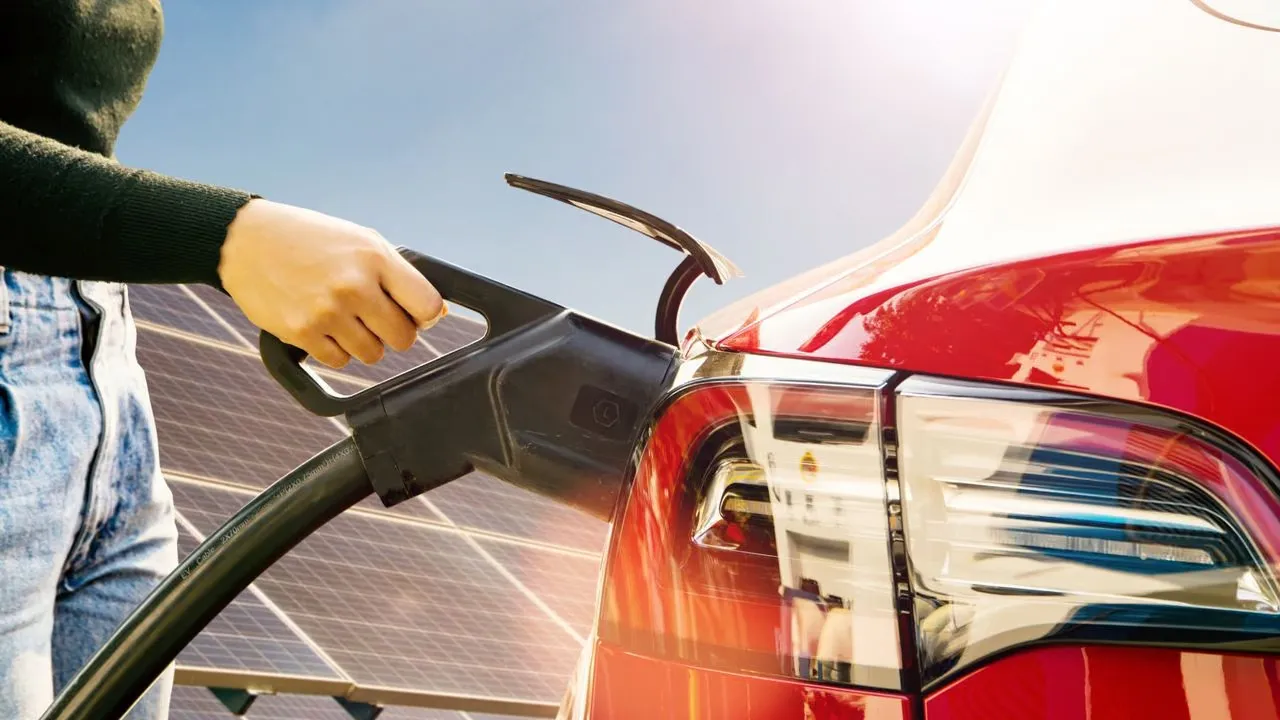
Integration with Renewable Energy Sources: As the world moves towards sustainable energy, charging stations can be integrated with renewable energy sources like solar or wind power. This not only reduces reliance on fossil fuels but also ensures a greener charging process for EVs.
In Conclusion
Managing EV charging stations involves a careful balance of ensuring uptime, providing accurate reporting, and optimizing performance. By implementing regular maintenance, employing 24/7 monitoring, collecting and analyzing data, and utilizing smart optimization techniques, operators can create a reliable and efficient charging infrastructure for the growing number of EV owners. So, the next time you plug in your EV, take a moment to appreciate the behind-the-scenes efforts that make it all possible.