

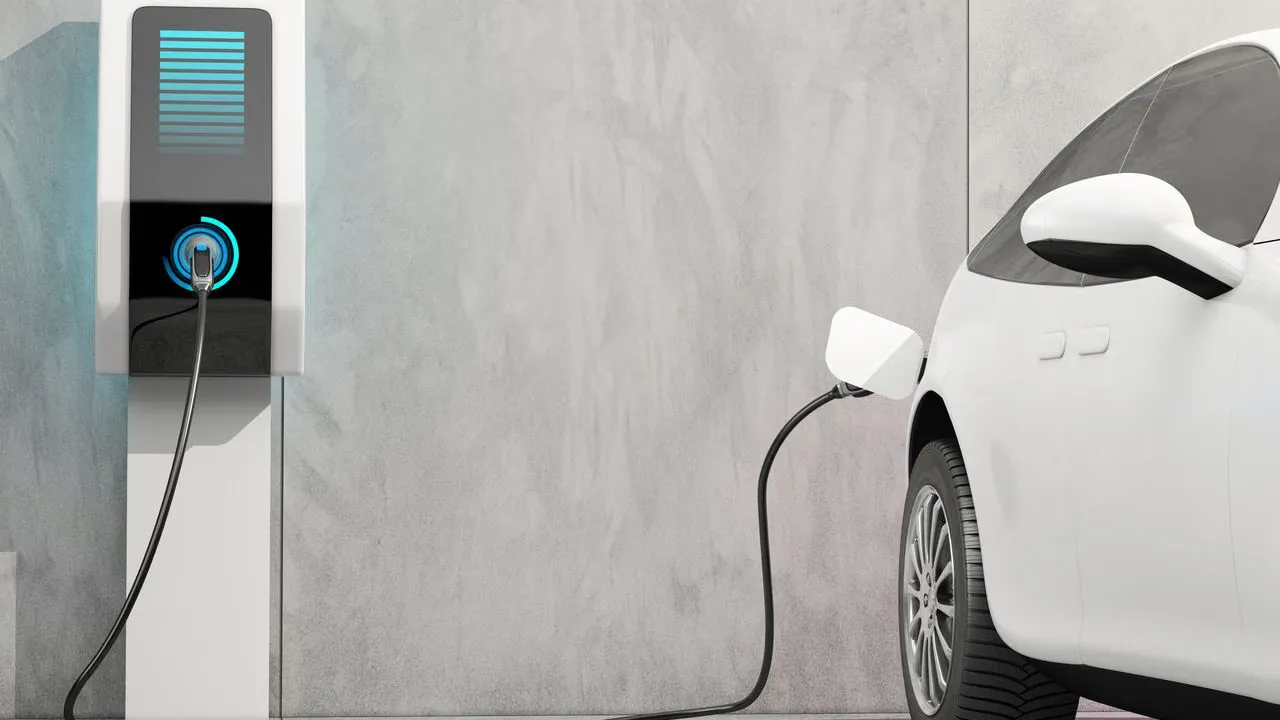
Monitoring EV Charging Infrastructure Essentials
Monitoring EV Charging Infrastructure: Security, Reporting, and SLAs
As electric vehicles (EVs) continue to gain popularity, the demand for efficient and reliable charging infrastructure is on the rise. One crucial aspect of ensuring the smooth operation of EV charging stations is monitoring their security, reporting capabilities, and adherence to service-level agreements (SLAs).
Charging Infrastructure Security
Security is paramount when it comes to EV charging infrastructure. Unauthorized access to charging stations can lead to data breaches, vandalism, and even safety hazards. By implementing robust security measures, such as encrypted communication protocols and access control systems, operators can protect both the infrastructure and the vehicles being charged.
Regular security audits and monitoring help identify potential vulnerabilities and ensure that any security incidents are promptly addressed. It is essential for charging station operators to stay vigilant and proactive in safeguarding their infrastructure against cyber threats and physical breaches.
Charging Infrastructure Reporting
Effective reporting mechanisms are essential for monitoring the performance and usage of EV charging infrastructure. By collecting data on charging sessions, energy consumption, and station uptime, operators can gain valuable insights into the efficiency of their network and identify areas for improvement.
Real-time reporting tools allow operators to track key metrics, such as revenue generation and user satisfaction, enabling them to make data-driven decisions to optimize their charging infrastructure. Regular reporting also helps in identifying trends and patterns, which can inform future expansion plans and infrastructure upgrades.
Charging Infrastructure Service-Level Agreements
Service-level agreements (SLAs) define the performance expectations and responsibilities of both charging station operators and service providers. By establishing clear SLAs, operators can ensure that their infrastructure meets the required standards of reliability, availability, and performance.
SLAs typically cover aspects such as uptime guarantees, response times for maintenance issues, and customer support protocols. Regular monitoring of SLA compliance is crucial to maintain the quality of service and uphold the trust of EV drivers who rely on the charging network.
By actively monitoring security measures, reporting capabilities, and SLA adherence, operators can enhance the reliability and efficiency of their EV charging infrastructure. Investing in monitoring tools and processes not only improves the overall user experience but also contributes to the sustainability of the electric vehicle ecosystem.