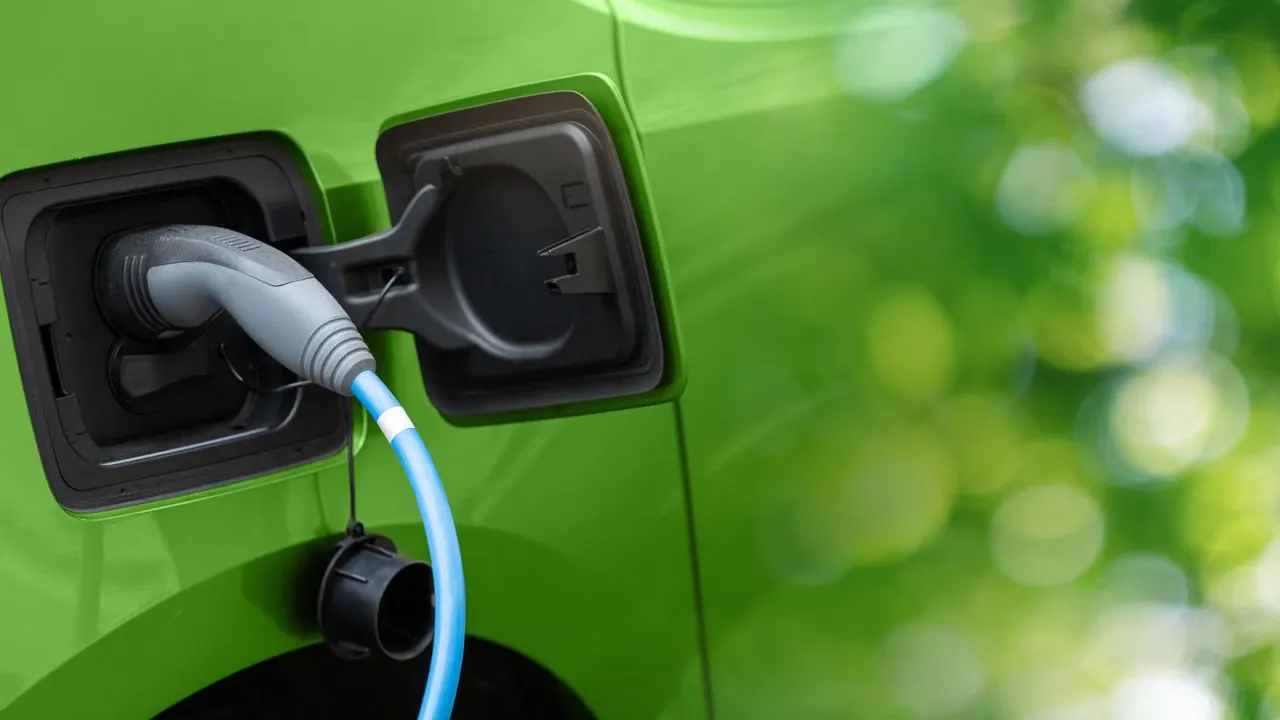


Optimizing EV Charging Station Management
EV Charging Station Management: Optimizing Efficiency and Convenience
As the popularity of electric vehicles (EVs) continues to grow, the need for efficient and reliable charging infrastructure becomes paramount. EV charging station management plays a crucial role in ensuring that EV owners have access to convenient and functional charging stations. In this article, we will explore the importance of charging station firmware updates, remote control capabilities, and utilization tracking in optimizing the overall charging experience.
1. Charging Station Firmware Updates
Regular firmware updates are essential for maintaining the performance and security of EV charging stations. Just like any other electronic device, charging stations benefit from software enhancements and bug fixes. Firmware updates address potential vulnerabilities, improve charging efficiency, and introduce new features to enhance user experience.
By keeping the charging station firmware up to date, operators can ensure that EV owners have access to the latest charging technologies and functionalities. These updates also enable charging stations to adapt to evolving industry standards and protocols, ensuring compatibility with a wide range of electric vehicles.
2. Charging Station Remote Control
Remote control capabilities provide charging station operators with a powerful tool to manage and monitor their charging infrastructure. With remote control, operators can access charging stations from a centralized platform, eliminating the need for physical intervention and enabling efficient troubleshooting.
Remote control allows operators to remotely start, stop, and adjust charging sessions, ensuring that charging stations are utilized optimally. It also enables real-time monitoring of charging station performance, including power consumption, availability, and any potential issues. This level of control enhances the overall reliability and convenience of the charging experience for EV owners.
3. Charging Station Utilization Tracking
Tracking the utilization of charging stations is crucial for optimizing their placement, capacity, and overall efficiency. By analyzing usage patterns, operators can identify peak demand periods and adjust charging station availability accordingly. This ensures that EV owners have access to charging stations when they need them the most, reducing waiting times and enhancing user satisfaction.
Utilization tracking also helps operators identify underutilized charging stations, allowing them to redistribute resources and optimize their charging infrastructure. By strategically placing charging stations in high-demand areas, operators can better serve the growing EV market and maximize the utilization of their assets.
Conclusion
Effective EV charging station management is essential for providing EV owners with a seamless and reliable charging experience. Regular firmware updates ensure that charging stations remain secure, efficient, and compatible with the latest technologies. Remote control capabilities empower operators to manage and monitor their charging infrastructure efficiently. Utilization tracking enables operators to optimize charging station placement and capacity, ensuring that EV owners have access to charging stations when they need them the most.
By embracing these management practices, charging station operators can contribute to the widespread adoption of electric vehicles by providing the necessary infrastructure and convenience. As the EV market continues to grow, it is crucial to prioritize the optimization of charging station management to meet the increasing demand and ensure a sustainable future.