
Overview of Electric Cars: Clean Technology, Battery Tech, and Carbon Footprint
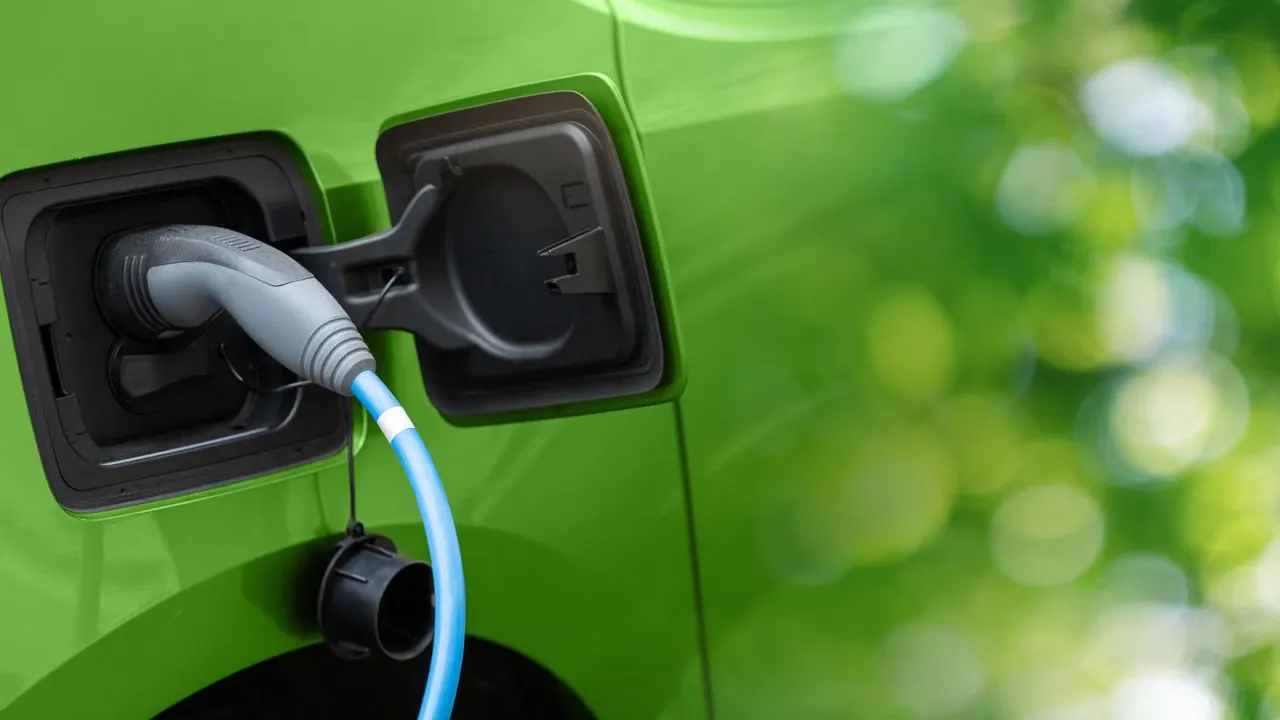
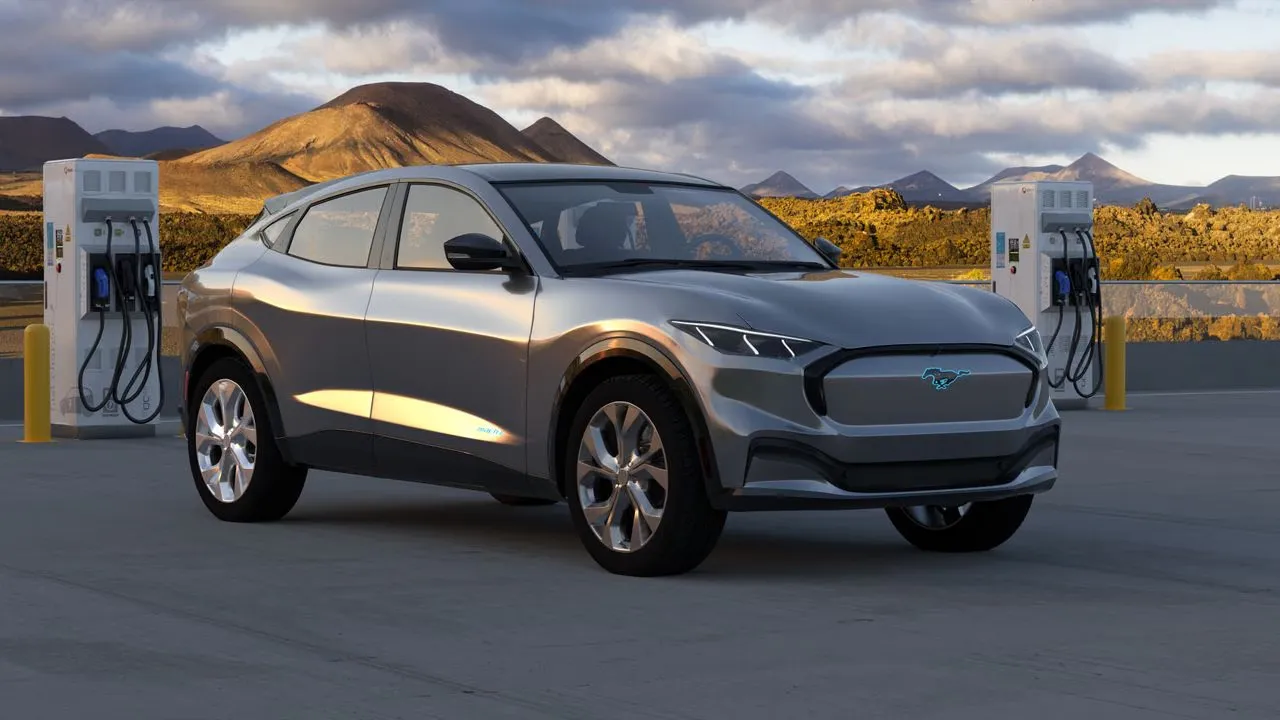
Electric cars have been gaining popularity in recent years due to their clean technology and the increasing concern for reducing carbon footprint. These vehicles run on battery technology, which makes them more sustainable and eco-friendly than traditional gasoline-powered cars. In this blog post, we will provide an overview of electric cars, their benefits, and how they contribute to a cleaner environment.
Clean Technology
Electric cars are considered a clean technology because they do not emit harmful pollutants into the air. Unlike gasoline-powered cars, which emit carbon monoxide, nitrogen oxides, and other harmful gases, electric cars run on electricity, which is a clean source of energy. This means that electric cars do not contribute to air pollution, which is a major environmental issue.
Battery Technology
One of the main components of electric cars is the battery technology. The batteries used in electric cars are rechargeable and can store energy for the car to run. These batteries are made of lithium-ion cells, which are lightweight and have a high energy density. This means that they can store a lot of energy in a small space, making them ideal for use in electric cars.
The batteries used in electric cars are also recyclable, which makes them more sustainable than traditional car batteries. When the batteries reach the end of their life, they can be recycled to recover the valuable materials used in their production. This reduces the environmental impact of electric cars and makes them a more sustainable option.
Carbon Footprint
Another benefit of electric cars is that they have a lower carbon footprint than traditional gasoline-powered cars. Carbon footprint refers to the amount of greenhouse gases that are emitted during the production, use, and disposal of a product. Electric cars have a lower carbon footprint because they do not emit greenhouse gases during use. However, the production of electric cars does require energy, which can contribute to greenhouse gas emissions.
Despite this, electric cars still have a lower carbon footprint than traditional cars. This is because the electricity used to power electric cars can come from renewable sources, such as wind or solar power. This means that the carbon footprint of electric cars can be further reduced by using renewable energy sources to power them.
Benefits of Electric Cars
In addition to being eco-friendly, electric cars have several other benefits. These include:
1. Lower operating costs: Electric cars are cheaper to operate than traditional cars because they require less maintenance and have lower fuel costs.
2. Quieter operation: Electric cars are quieter than gasoline-powered cars, which makes them ideal for use in urban areas.
3. Better performance: Electric cars have instant torque, which means they can accelerate quickly and smoothly.
4. Reduced dependence on oil: Electric cars do not require gasoline, which reduces our dependence on oil and helps to reduce the environmental impact of oil production and transportation.
Conclusion
Electric cars are a clean technology that can help to reduce our carbon footprint and contribute to a cleaner environment. They run on battery technology, which is sustainable and recyclable, and have a lower carbon footprint than traditional gasoline-powered cars. In addition to being eco-friendly, electric cars have several other benefits, including lower operating costs, quieter operation, better performance, and reduced dependence on oil. As we continue to look for ways to reduce our impact on the environment, electric cars are a promising solution that can help us to achieve our goals.