

Public Charging Stations: Availability and Accessibility
Public Charging Stations: Ensuring Availability and Accessibility
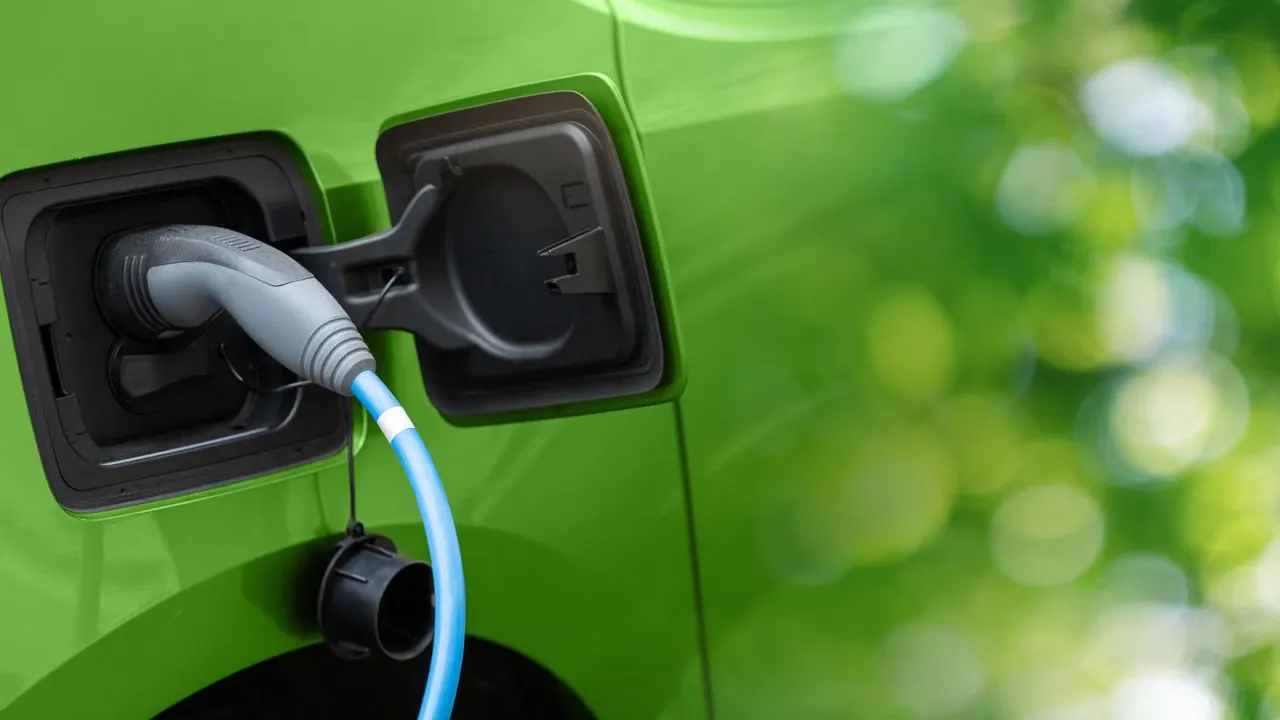
In recent years, the popularity of electric vehicles (EVs) has been on the rise, with more and more people embracing sustainable transportation options. As the number of EVs on the road increases, the need for public charging stations becomes paramount. Fast charging, charging station maps, and charging station maintenance are key factors in ensuring the availability and accessibility of these crucial infrastructure facilities.
Fast Charging: The Need for Speed
One of the main concerns for EV owners is the time it takes to charge their vehicles. Traditional charging methods can be time-consuming, requiring several hours to fully charge an EV. However, the advent of fast charging technology has revolutionized the charging experience.
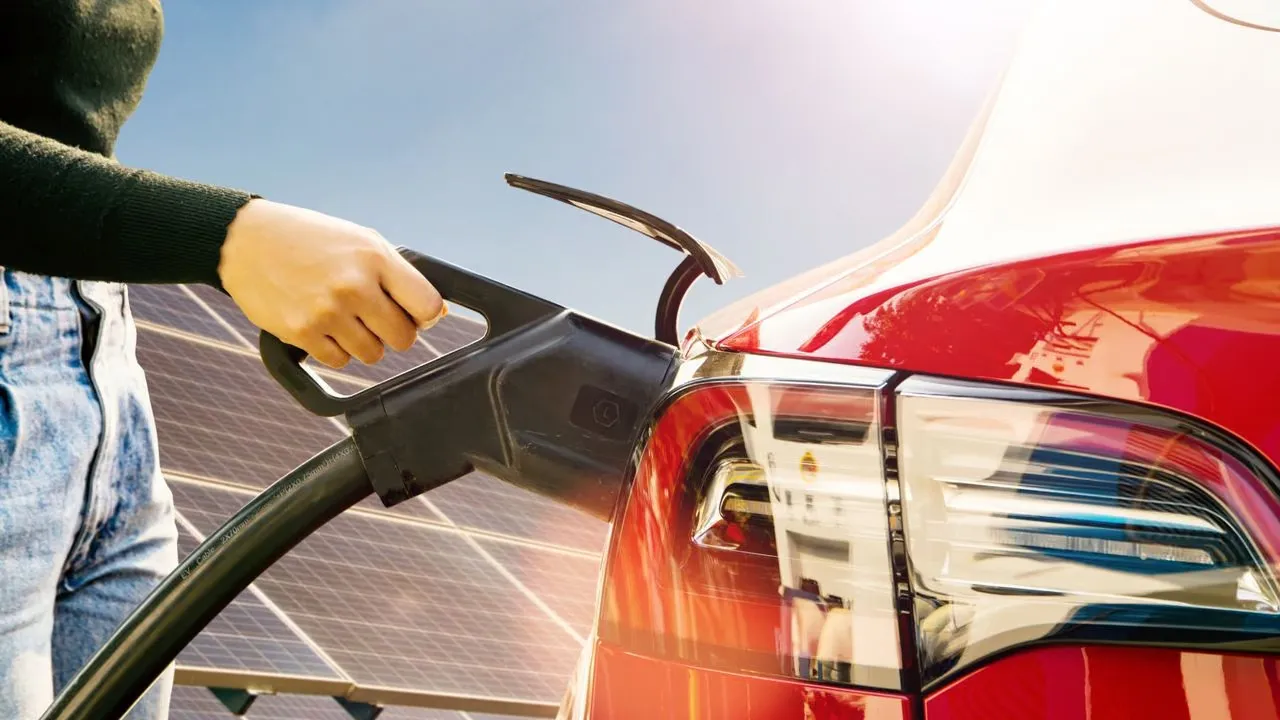
Fast charging stations, also known as Level 3 or DC fast chargers, can charge an EV up to 80% in as little as 30 minutes. This significant reduction in charging time makes EVs more practical for long-distance travel and eliminates range anxiety for many drivers.
Installing fast charging stations at strategic locations, such as along major highways and in densely populated areas, is crucial to meet the growing demand for EV charging infrastructure. By providing fast charging options, public charging stations can accommodate the needs of EV owners who require quick and convenient charging solutions.
Charging Station Maps: Navigating the Charging Landscape
As the number of public charging stations increases, it becomes essential to have an efficient way to locate and navigate these facilities. Charging station maps play a vital role in helping EV owners find the nearest available charging station.
Online platforms and mobile applications provide real-time information about the location, availability, and charging speed of public charging stations. These maps allow EV owners to plan their routes and ensure they have access to charging infrastructure when needed.
Moreover, charging station maps often include user reviews and ratings, enabling EV owners to make informed decisions about the reliability and quality of different charging stations. This feedback loop encourages charging station operators to maintain and improve their facilities to meet the expectations of EV owners.
Charging Station Maintenance: Ensuring Reliability
Regular maintenance of public charging stations is crucial to ensure their reliability and functionality. Without proper upkeep, charging stations may experience technical issues or become unavailable, hindering the accessibility of EV charging infrastructure.
Charging station operators must conduct routine inspections and repairs to address any potential problems promptly. This includes checking the charging equipment, monitoring the power supply, and ensuring the cleanliness and safety of the charging station area.
Additionally, proactive maintenance can help identify and address issues before they escalate, minimizing downtime and maximizing the availability of charging stations. Regular maintenance also allows operators to upgrade the charging infrastructure to support new technologies and charging standards as they emerge.
Conclusion
Public charging stations play a critical role in supporting the widespread adoption of electric vehicles. Fast charging technology, charging station maps, and regular maintenance are all essential factors in ensuring the availability and accessibility of these charging facilities.
By investing in fast charging infrastructure, providing comprehensive charging station maps, and prioritizing maintenance efforts, we can create a robust and reliable charging network that meets the needs of EV owners and encourages the transition to sustainable transportation.