
Public Charging Stations: Availability and Convenience
Public Charging Stations: Ensuring Availability and Convenience
Introduction
In recent years, the increasing popularity of electric vehicles (EVs) has led to a growing demand for public charging stations. As EV owners seek to extend their vehicle’s range and reduce their carbon footprint, the availability and accessibility of charging infrastructure play a crucial role. This article explores the importance of charging network coverage, the significance of charging station maintenance, and the convenience of charging station maps.
Charging Network Coverage
One of the primary concerns for EV owners is the availability of charging stations. To address this, the development of a comprehensive charging network is essential. A robust charging network should ensure that EV owners have access to charging stations both in urban areas and along major highways.
Efforts are underway to establish partnerships between governments, utility companies, and private organizations to expand the charging network coverage. By strategically placing charging stations at key locations such as shopping centers, workplaces, and public parking lots, EV owners can conveniently charge their vehicles during their daily activities.
Charging Station Maintenance
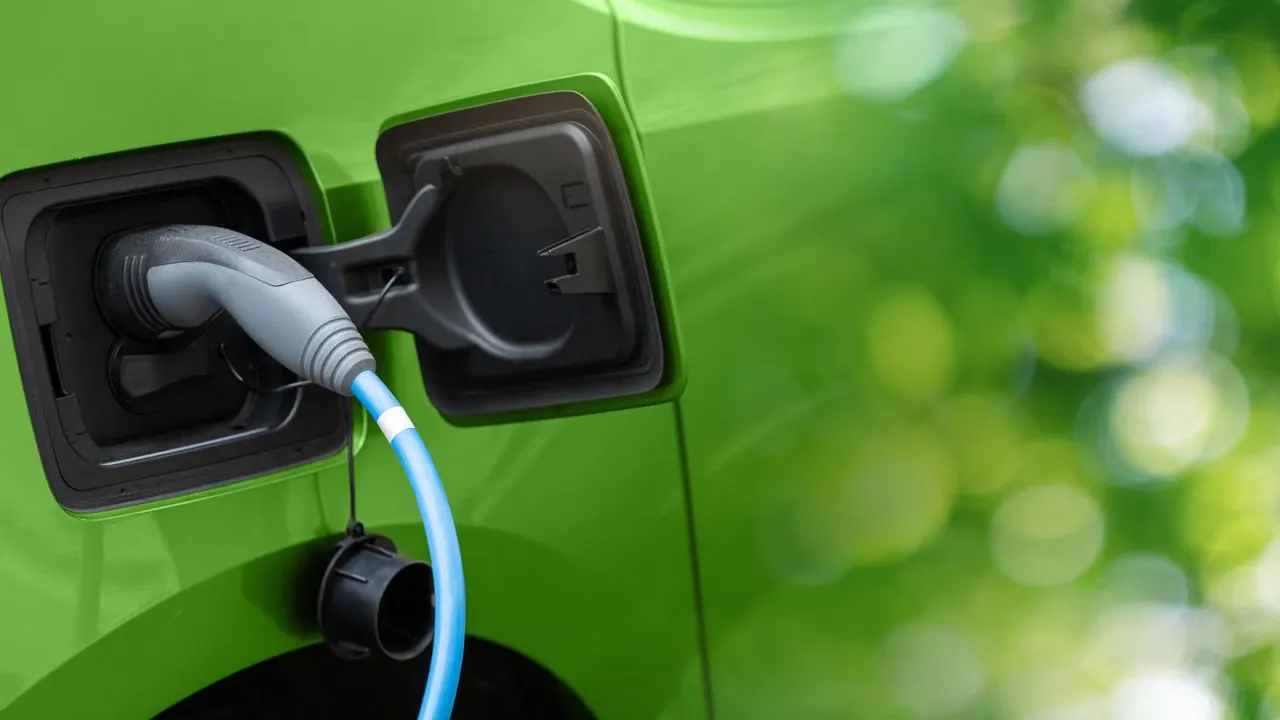
While having a widespread charging network is vital, maintaining the functionality of charging stations is equally important. Regular maintenance ensures that charging stations are always operational and ready to serve EV owners.
Charging station operators must conduct regular inspections to identify any issues or malfunctions promptly. This includes checking the charging cables, connectors, and payment systems. By addressing maintenance concerns promptly, operators can minimize downtime and ensure a seamless charging experience for EV owners.
Charging Station Maps
As the number of charging stations continues to grow, it becomes increasingly important for EV owners to easily locate nearby stations. Charging station maps play a crucial role in providing this convenience.
Many online platforms and mobile applications offer interactive charging station maps. These maps allow users to search for charging stations based on their location or desired destination, providing real-time information on station availability, charging speeds, and even pricing.
By utilizing charging station maps, EV owners can plan their routes more effectively, ensuring they have access to charging stations when needed. This helps alleviate range anxiety and provides peace of mind for those considering electric vehicles as their mode of transportation.
Conclusion
As electric vehicles become more prevalent in our society, the availability and accessibility of public charging stations play a crucial role in their widespread adoption. By focusing on charging network coverage, charging station maintenance, and the convenience of charging station maps, we can ensure that EV owners have a reliable and convenient charging experience, further encouraging the transition to sustainable transportation.