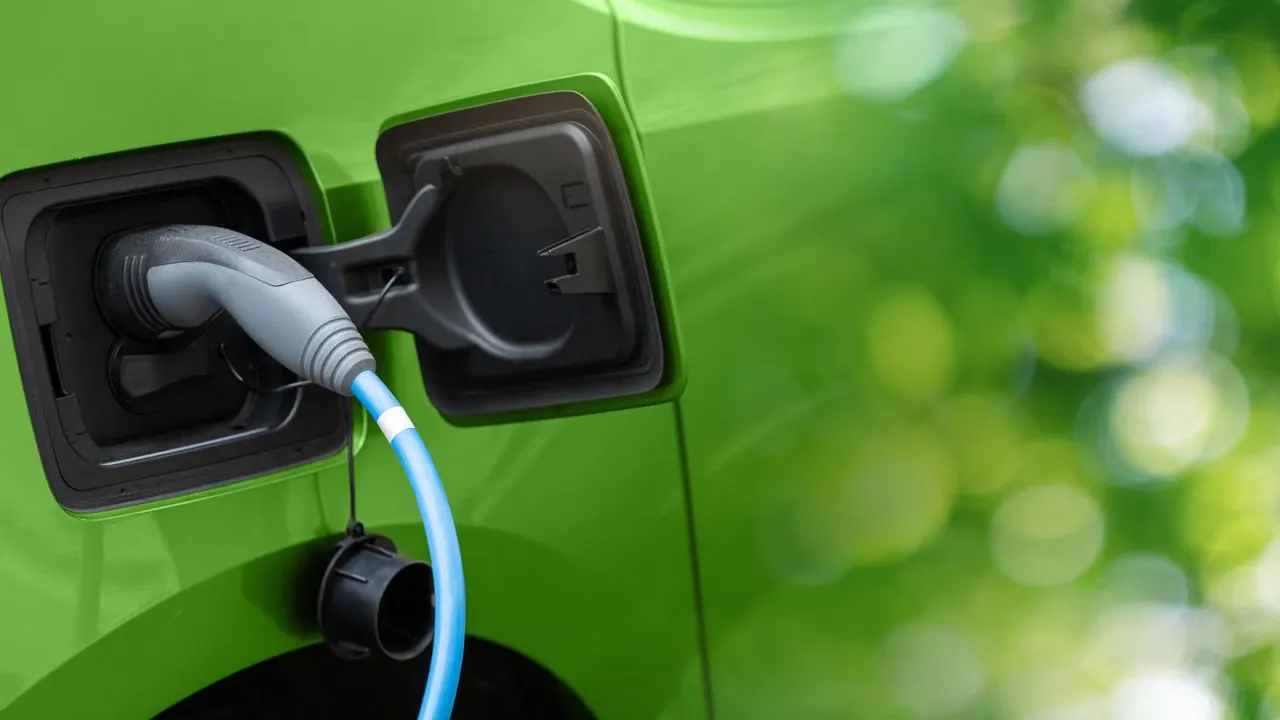


Seamless EV Charging Station Payments
EV Charging Station Billing and Payments: Ensuring a Seamless Experience
As the popularity of electric vehicles (EVs) continues to rise, the need for efficient and reliable charging infrastructure becomes increasingly important. One crucial aspect of this infrastructure is the billing and payment system for EV charging stations. In order to provide a seamless experience for EV owners, it is essential to have a well-designed and user-friendly system in place. This article explores the importance of charging station payment history, the role of charging station billing software, and the various payment methods available.
The Significance of Charging Station Payment History
Charging station payment history plays a vital role in ensuring transparency and accountability. By maintaining a record of all transactions, both the charging station operator and the EV owner can easily track and verify the payment details. This not only helps in resolving any billing disputes but also fosters trust between the parties involved.
Moreover, charging station payment history allows operators to analyze usage patterns and make informed decisions regarding pricing, availability, and expansion of charging infrastructure. It provides valuable insights into peak usage hours, popular locations, and the overall demand for charging services.
The Role of Charging Station Billing Software
Charging station billing software is the backbone of an efficient payment system. It automates the billing process, eliminating the need for manual calculations and reducing the chances of errors. With the help of advanced algorithms, the software accurately calculates the amount owed based on factors such as charging duration, energy consumed, and any additional fees.
In addition to billing, charging station software also enables operators to manage multiple charging stations simultaneously. It provides real-time monitoring of each station’s status, including availability, power output, and any technical issues. This ensures prompt maintenance and minimizes downtime, resulting in a better user experience.
Furthermore, charging station billing software often integrates with various payment gateways, allowing EV owners to choose their preferred payment method. This flexibility enhances convenience and encourages more people to adopt electric vehicles.
Various Payment Methods for EV Charging Stations
Offering a variety of payment methods is crucial to cater to the diverse preferences of EV owners. Here are some popular payment options for EV charging stations:
- RFID Cards: RFID (Radio Frequency Identification) cards are a common payment method for EV charging stations. Users can simply tap their card on the station’s reader, and the payment is automatically deducted from their account.
- Mobile Apps: Many charging station operators provide dedicated mobile apps that allow users to initiate and pay for charging sessions. These apps often offer additional features such as station locator, reservation, and real-time charging status.
- Credit/Debit Cards: Accepting credit and debit cards is essential to accommodate users who prefer not to carry additional RFID cards or use mobile apps. Secure payment gateways ensure the safety of transactions.
- Subscription Plans: Some charging station networks offer subscription plans, where EV owners pay a fixed monthly fee for unlimited access to charging services. This model is particularly attractive for frequent users.
- Pay-as-you-go: Pay-as-you-go options allow users to pay for each charging session individually. This flexibility suits occasional users who do not require a subscription or long-term commitment.
By offering a range of payment methods, charging station operators can cater to the preferences and needs of all EV owners, making the charging experience hassle-free and convenient.
Conclusion
Efficient billing and payment systems are crucial for the widespread adoption of electric vehicles. Charging station payment history ensures transparency and trust, while charging station billing software streamlines the billing process and enhances operational efficiency. By providing various payment methods, EV charging stations can accommodate the diverse preferences of users, making the transition to electric vehicles more accessible and appealing.