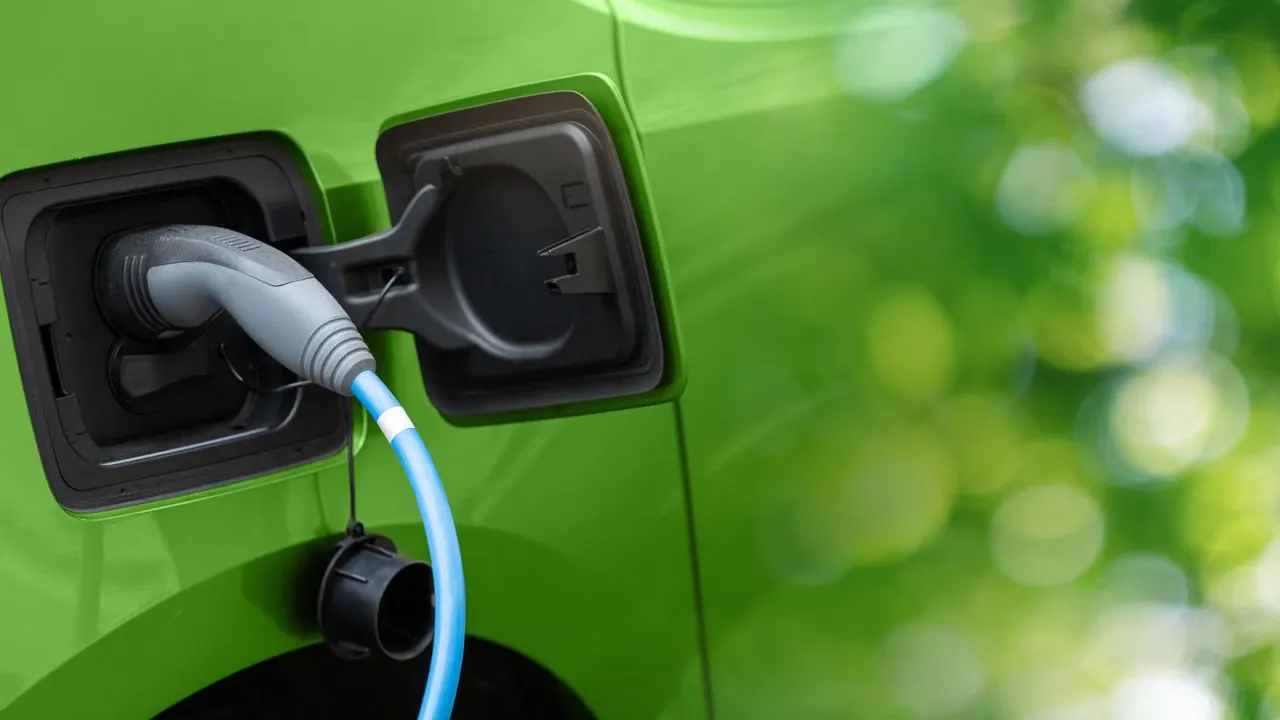


Simplifying EV Charging Payments
EV Charging Station Billing and Payments: Simplifying the Process
As electric vehicles (EVs) become increasingly popular, the need for a robust and efficient charging infrastructure is more important than ever. One critical aspect of this infrastructure is the billing and payment system for EV charging stations. In this article, we will explore the various charging station pricing models, payment reconciliation, and payment notifications, aiming to shed light on how these processes can be simplified and made more user-friendly.
Charging Station Pricing Models
When it comes to pricing models for EV charging stations, there are several options available. The most common models include:
- Flat Rate: This model charges a fixed fee for each charging session, regardless of the duration or amount of energy consumed. It offers simplicity and predictability for users.
- Time-Based: With this model, users are charged based on the time they spend connected to the charging station. It is useful for locations where charging spots are limited, encouraging turnover.
- Energy-Based: This model charges users based on the amount of energy consumed during the charging session. It provides a fairer and more accurate representation of the cost incurred.
Each pricing model has its advantages and disadvantages, and the choice depends on factors such as the location, user preferences, and operational costs. By offering a combination of these models, charging station operators can cater to a wider range of users and ensure a fair and flexible billing system.
Charging Station Payment Reconciliation
Payment reconciliation is a crucial process that ensures accurate and transparent billing for EV charging stations. It involves matching the charging session data with the corresponding payments received. To simplify this process, charging station operators can implement automated systems that integrate with payment gateways and back-end databases.
By automating payment reconciliation, operators can eliminate manual errors and reduce administrative overhead. The system can cross-reference charging session data with payment records, flagging any discrepancies for further investigation. This not only streamlines the process but also enhances trust and reliability for both the operators and the users.
Charging Station Payment Notifications
Clear and timely payment notifications are essential for a seamless user experience. When a user completes a charging session, they should receive a notification detailing the cost, payment method used, and any other relevant information. These notifications can be sent via email or through mobile applications.
Additionally, operators can provide users with real-time notifications during the charging session, informing them about the current cost, energy consumed, and estimated charging time. This empowers users to make informed decisions and manage their charging sessions more effectively.
Furthermore, payment notifications can also include reminders for users to settle outstanding payments or update their payment information. This proactive approach reduces the chances of delayed or missed payments, ensuring a steady revenue stream for charging station operators.
Conclusion
EV charging station billing and payments play a vital role in the widespread adoption of electric vehicles. By offering a variety of pricing models, simplifying payment reconciliation, and providing comprehensive payment notifications, charging station operators can create a user-friendly and efficient charging experience. As the EV market continues to grow, it is crucial for the industry to prioritize the development of streamlined billing and payment processes to support this sustainable transportation revolution.