

The Future of Electric Cars and E-Mobility
The Future of Electric Cars and E-Mobility
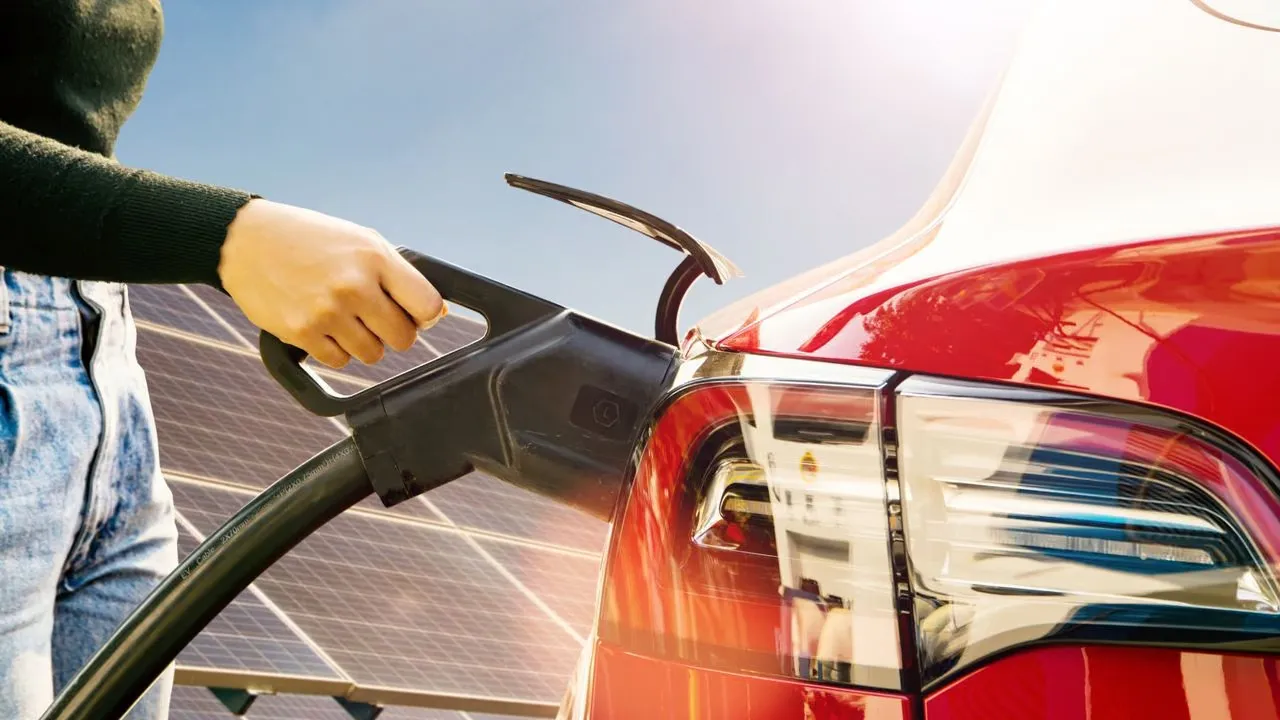
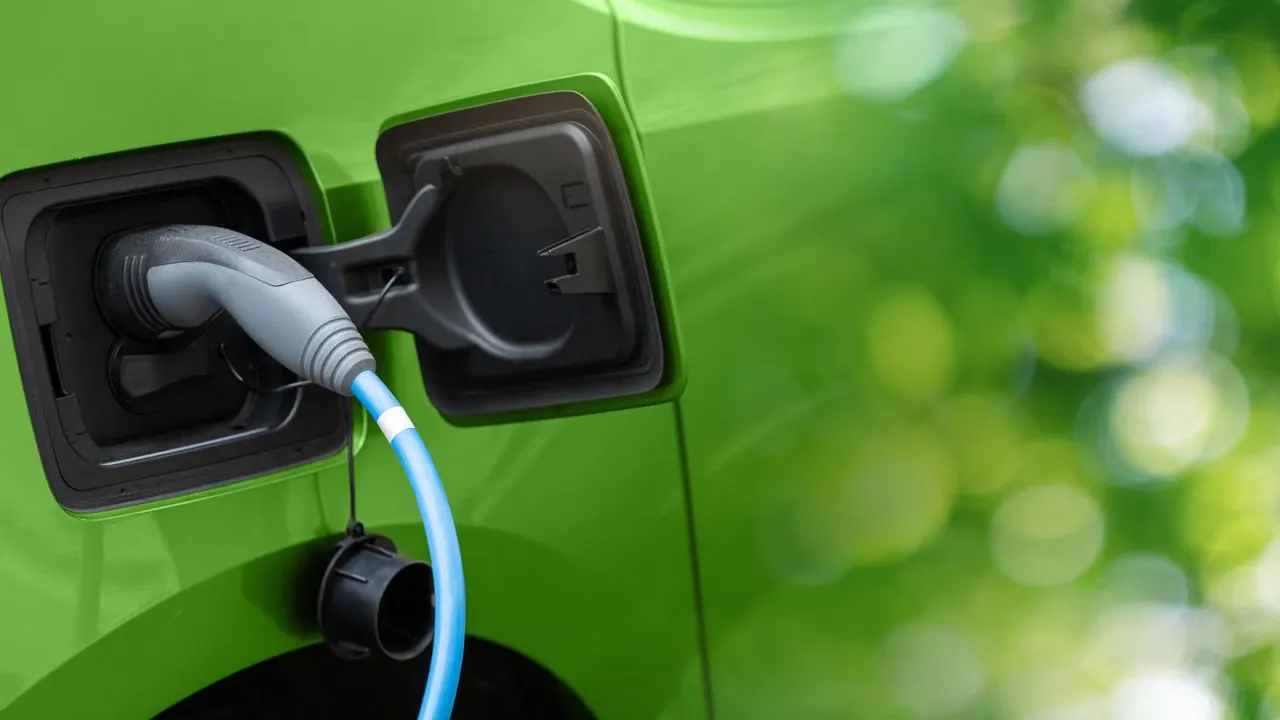
Electric cars have been gaining popularity in recent years, and it’s not hard to see why. With concerns about climate change and the need for sustainable transportation options, electric cars offer a promising solution. But what does the future hold for electric cars and e-mobility? Let’s take a closer look.
Battery Breakthroughs
One of the key factors driving the future of electric cars is battery technology. Currently, the biggest challenge for electric vehicles is the limited range and long charging times. However, significant advancements in battery technology are on the horizon.
Researchers and scientists are working tirelessly to develop batteries that have higher energy density, faster charging capabilities, and longer lifespan. These battery breakthroughs will not only improve the driving range of electric cars but also reduce the charging time, making them more convenient for everyday use.
Moreover, the cost of batteries is also expected to decrease in the coming years. As the demand for electric cars increases, economies of scale will kick in, leading to lower production costs. This, in turn, will make electric cars more affordable and accessible to a wider range of consumers.
Urban Mobility
Another aspect of the future of electric cars is their role in urban mobility. As cities become more congested and air pollution becomes a growing concern, electric cars offer a cleaner and more efficient mode of transportation.
In many urban areas, governments are taking steps to encourage the adoption of electric vehicles. They are implementing policies such as tax incentives, dedicated charging infrastructure, and access to bus lanes for electric cars. These measures aim to reduce traffic congestion and improve air quality in cities.
Furthermore, electric cars are well-suited for short trips within cities. They are quiet, emission-free, and require less space for parking. This makes them ideal for urban dwellers who need a convenient and sustainable mode of transportation.
Shared Mobility
Shared mobility is another trend that is expected to shape the future of electric cars. With the rise of ride-hailing services and car-sharing platforms, more people are opting for shared transportation options rather than owning a car.
Electric cars are particularly well-suited for shared mobility due to their lower operating costs and environmental benefits. Electric vehicles have lower maintenance and fuel costs compared to traditional combustion engine cars. Additionally, they produce zero tailpipe emissions, reducing air pollution in urban areas.
Shared electric mobility services not only provide a convenient and cost-effective transportation option but also contribute to reducing the number of cars on the road. This, in turn, can help alleviate traffic congestion and parking issues in crowded cities.
In Conclusion
The future of electric cars and e-mobility looks promising. Battery breakthroughs will lead to improved range and faster charging times, making electric cars more practical for everyday use. In urban areas, electric cars offer a cleaner and more efficient mode of transportation, helping to reduce air pollution and congestion. Additionally, shared mobility services are expected to play a significant role in the adoption of electric vehicles, providing a convenient and sustainable transportation option.
As technology continues to advance and governments and consumers embrace electric cars, we can expect to see a significant shift towards e-mobility in the coming years. The future is electric, and it’s an exciting time for the automotive industry.