

The Role of Electric Cars in Reducing Greenhouse Gas Emissions
The Role of Electric Cars in Reducing Greenhouse Gas Emissions
Electric vehicles (EVs) have gained significant attention in recent years as a promising solution to combat climate change. As the transportation sector is a major contributor to greenhouse gas emissions, transitioning to electric cars can play a crucial role in achieving carbon-free transportation. In this article, we will explore the benefits of electric vehicles and their potential in reducing greenhouse gas emissions.
Electric Vehicle Benefits
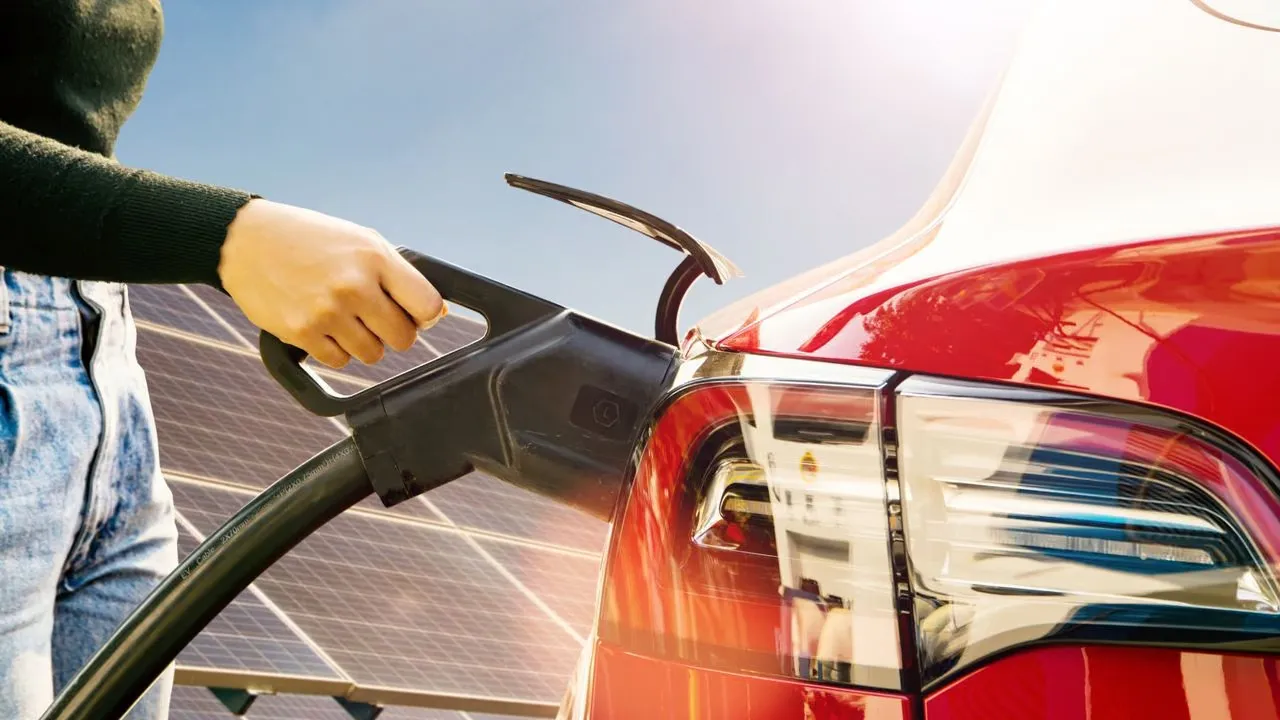
Electric cars offer numerous advantages over traditional internal combustion engine vehicles. One of the most significant benefits is their environmental impact. Unlike conventional cars that rely on fossil fuels, electric vehicles run on electricity, which can be generated from renewable energy sources such as solar or wind power. This carbon-free energy production makes EVs inherently cleaner and more sustainable.
In addition to being environmentally friendly, electric cars also offer economic benefits. Although the upfront cost of purchasing an EV may be higher compared to conventional vehicles, the long-term savings can be substantial. Electric cars have lower operating costs due to the lower cost of electricity compared to gasoline or diesel. Furthermore, EVs require less maintenance as they have fewer moving parts and do not need oil changes.
Another advantage of electric vehicles is their contribution to energy independence. By reducing our dependence on fossil fuels, we can enhance energy security and reduce the vulnerability to oil price fluctuations. Additionally, the widespread adoption of electric cars can stimulate the growth of domestic renewable energy industries, creating new job opportunities and fostering economic development.
Reducing Greenhouse Gas Emissions
The transportation sector is a significant contributor to greenhouse gas emissions, primarily through the burning of fossil fuels. Electric vehicles offer a viable solution to reduce these emissions and mitigate climate change. By transitioning to electric cars, we can significantly decrease the carbon footprint of the transportation sector.
According to studies, electric vehicles produce lower emissions throughout their lifecycle compared to conventional vehicles. Even when accounting for the emissions associated with electricity generation, EVs still emit fewer greenhouse gases. This is because electric motors are more efficient than internal combustion engines and do not release tailpipe emissions.
Furthermore, as the electricity grid becomes cleaner with the increased use of renewable energy sources, the environmental benefits of electric vehicles will further improve. By charging EVs with electricity generated from renewable sources, we can achieve truly carbon-free transportation.
Promoting Electric Vehicle Adoption
While the benefits of electric vehicles are evident, widespread adoption is necessary to maximize their impact on reducing greenhouse gas emissions. Governments, policymakers, and industry stakeholders play a vital role in promoting the transition to electric cars.
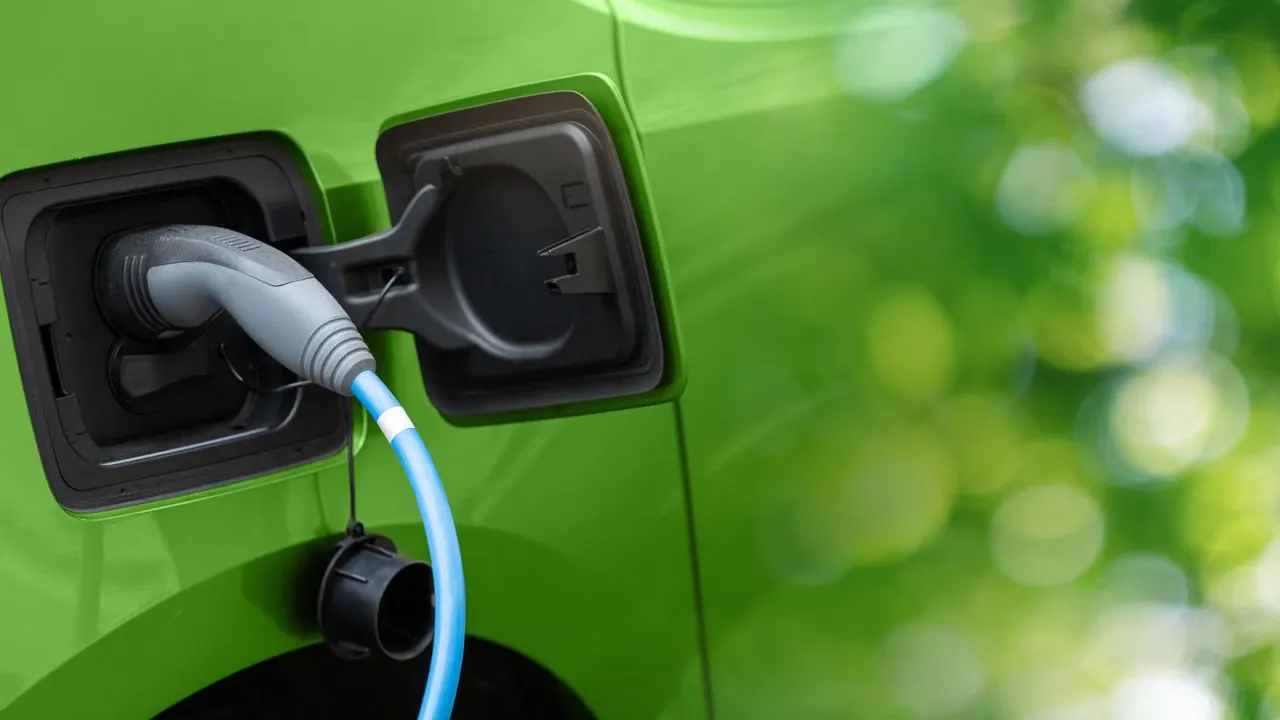
One key aspect is the development of charging infrastructure. To encourage EV adoption, a comprehensive network of charging stations is essential. Governments should invest in the installation of charging infrastructure in public spaces, workplaces, and residential areas. This will alleviate range anxiety and provide convenience to EV owners, making electric cars a viable option for everyday transportation.
In addition to infrastructure, financial incentives can also accelerate the adoption of electric vehicles. Governments can offer tax credits, rebates, or subsidies to make EVs more affordable for consumers. These incentives can help offset the higher upfront costs and encourage more people to choose electric cars over conventional vehicles.
Conclusion
Electric vehicles have the potential to revolutionize the transportation sector and significantly reduce greenhouse gas emissions. With their environmental, economic, and energy security benefits, electric cars offer a sustainable and carbon-free solution to combat climate change. By promoting the adoption of electric vehicles, investing in charging infrastructure, and providing financial incentives, we can accelerate the transition to a greener and more sustainable future.