
Is Your EV Charger Driving Up Energy Costs
It’s hard to miss the growing presence of electric vehicles (EVs) in driveways these days. Alongside the shift in how we move, there’s an equally important conversation about how these vehicles interact with our homes—specifically, how charging them affects energy consumption and household costs. Setting up an EV charger at home isn’t just about convenience; it’s a decision that can ripple through your electricity bill and energy habits.
Understanding Home EV Charging Basics
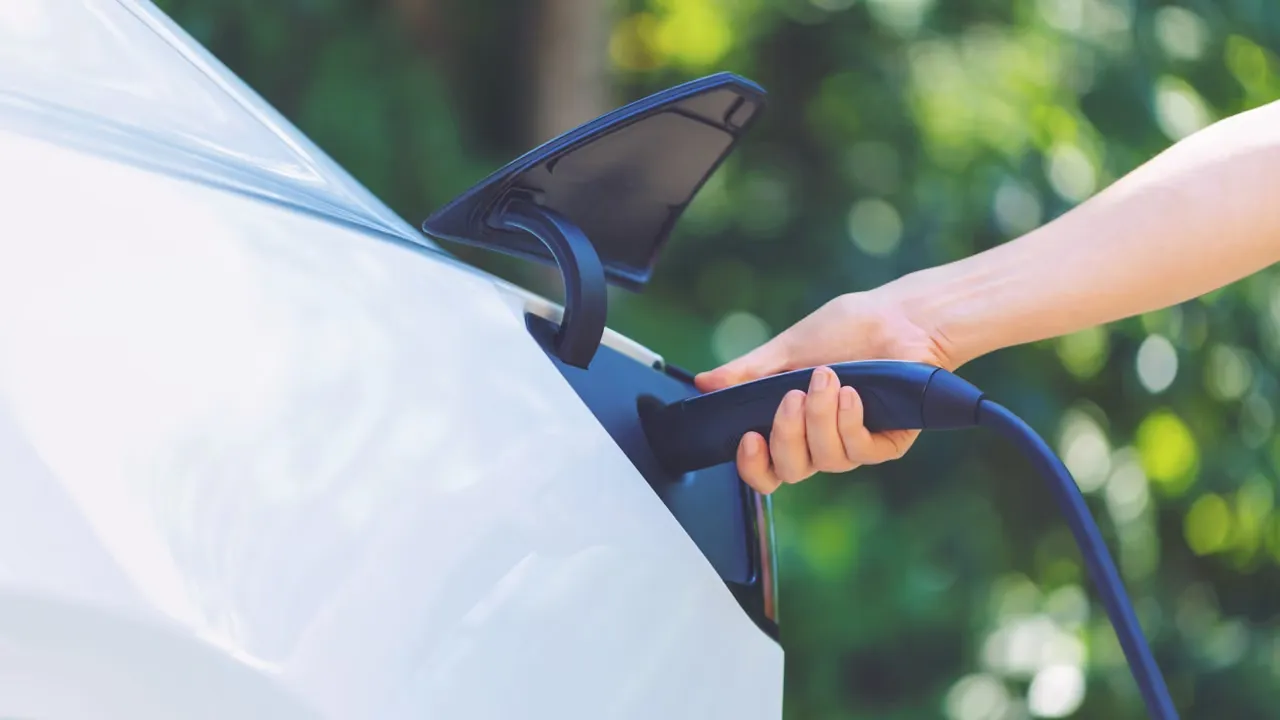
At its core, home EV charging means plugging your vehicle into an electrical source to replenish its battery. Most EV owners use either a standard household outlet or a dedicated EV charging station installed on their property. These setups are generally categorized into Level 1 and Level 2 chargers.
- Level 1 Charging uses a regular 120-volt outlet, similar to what you’d find in most homes. It’s slow—typically adding about 3 to 5 miles of range per hour of charging. While it requires no additional hardware installation, it’s best suited for drivers with short daily commutes or those who don’t need to charge quickly.
- Level 2 Charging operates on 240 volts, the same power used by appliances like dryers or ovens. Installing a Level 2 charger usually requires a professional electrician and costs more upfront, but it charges much faster—adding 15 to 60 miles of range per hour. For many EV owners, Level 2 chargers strike the right balance between cost and convenience.
Understanding these basics helps homeowners assess what fits their lifestyle and budget, but it’s only the starting point for managing energy use effectively.
Comparing Charging Speeds and Energy Costs
Charging speed isn’t just a convenience factor; it also influences how much you pay for electricity. Utilities often price electricity differently depending on the time of day, and faster chargers pull more power in a shorter window. This can push your home’s energy demand into peak hours, which typically cost more.
For example, if you charge your EV during the evening peak period, you might see a noticeable spike in your electric bill. On the other hand, charging overnight when demand is low can save money. Many utility companies offer time-of-use (TOU) plans that charge less for electricity used during off-peak hours.
Level 1 chargers, while slower, spread energy use over a longer period, often aligning naturally with off-peak times. Level 2 chargers, being quicker, require more careful scheduling to avoid peak rates or causing strain on your home’s electrical system.
Another cost consideration is the overall increase in your household’s energy consumption. Adding an EV charger can increase your monthly electricity use by hundreds of kilowatt-hours, depending on your driving habits. This makes it crucial to monitor your usage and consider energy-efficient practices elsewhere in your home.
Integrating Solar Power with Home EV Chargers
One of the most exciting developments in home EV charging is combining it with solar power. Installing solar panels can offset the energy consumed by your EV, reducing reliance on the grid and cutting your electric bill.
When paired with a solar system, your EV can effectively run on sunlight, especially during the day. However, since many people charge their vehicles overnight, energy storage solutions like home batteries become important to store solar energy for later use.
Some advanced EV chargers and solar setups allow you to program charging times to match when solar generation is highest. This smart scheduling maximizes the use of clean energy and minimizes costs.
Keep in mind, though, that the initial investment for solar panels and related equipment can be significant. Incentives and rebates may be available to offset these costs, so it’s worth exploring local programs before making decisions.
Tips for Efficient and Safe Home Charging
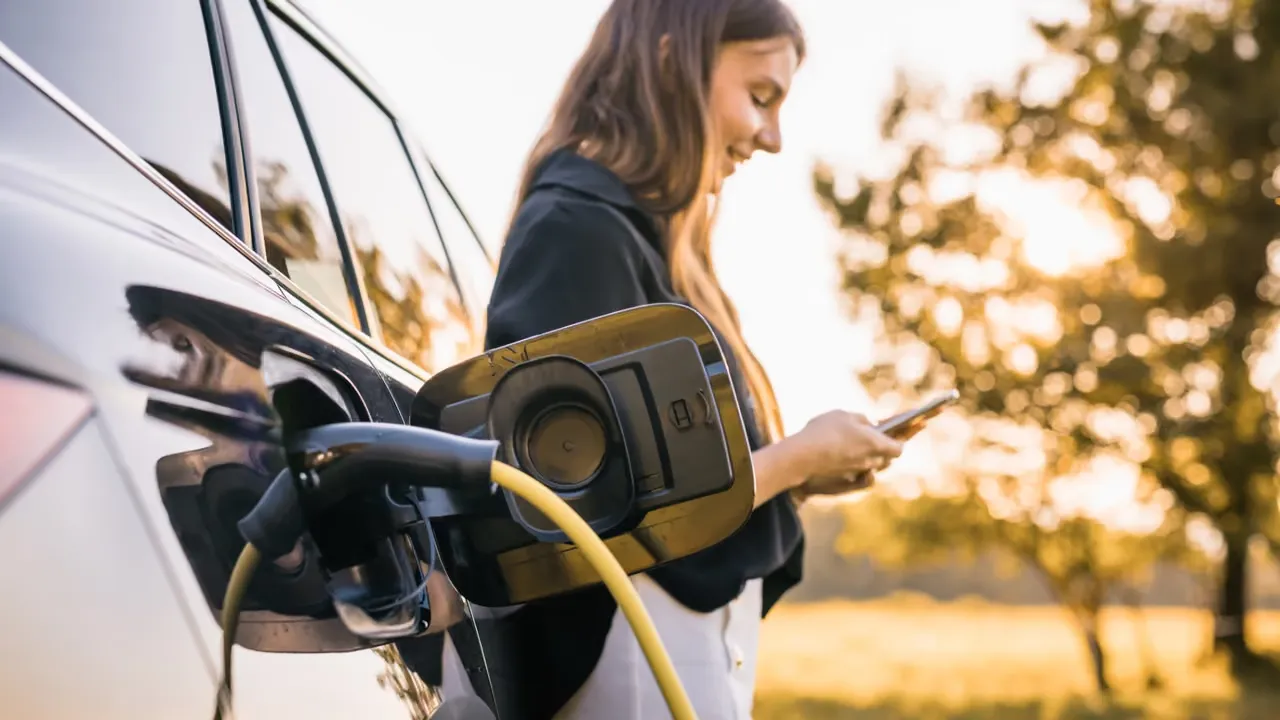
- Schedule Charging Wisely—Use your utility’s TOU rates to charge during off-peak hours. Many EV chargers have programmable timers or smart phone apps to help automate this.
- Consult a Professional—Have an electrician evaluate your home’s electrical system before installing a Level 2 charger. This ensures safety and that your wiring can handle the load.
- Monitor Energy Use—Keep an eye on your home’s overall electricity consumption. Some smart chargers provide detailed reports, helping you spot patterns and adjust habits.
- Maintain Equipment—Regularly inspect your charger and cables for wear or damage. Proper maintenance prevents hazards and prolongs the life of your equipment.
- Consider Solar and Storage—If feasible, integrate solar panels with your charging setup to reduce your carbon footprint and energy costs.
Home EV charging is more than just plugging in a cable—it’s an energy management decision that can impact your wallet and your home’s energy profile. Approached thoughtfully, it can make your transition to electric driving smoother and more sustainable.