
Wireless Charging Could Change EV Use Forever
What if charging your electric vehicle was as simple as parking it in the right spot, no cords or plugs involved? Wireless EV charging technology promises exactly that, transforming how we think about powering our cars and reshaping the infrastructure around us.
How Wireless EV Charging Works Basics and Innovations
Wireless electric vehicle charging, often called inductive charging, relies on a fundamental principle of physics: electromagnetic induction. A charging pad embedded in the ground creates an electromagnetic field. When a vehicle equipped with a compatible receiver pad parks over this field, energy transfers wirelessly to the car’s battery.
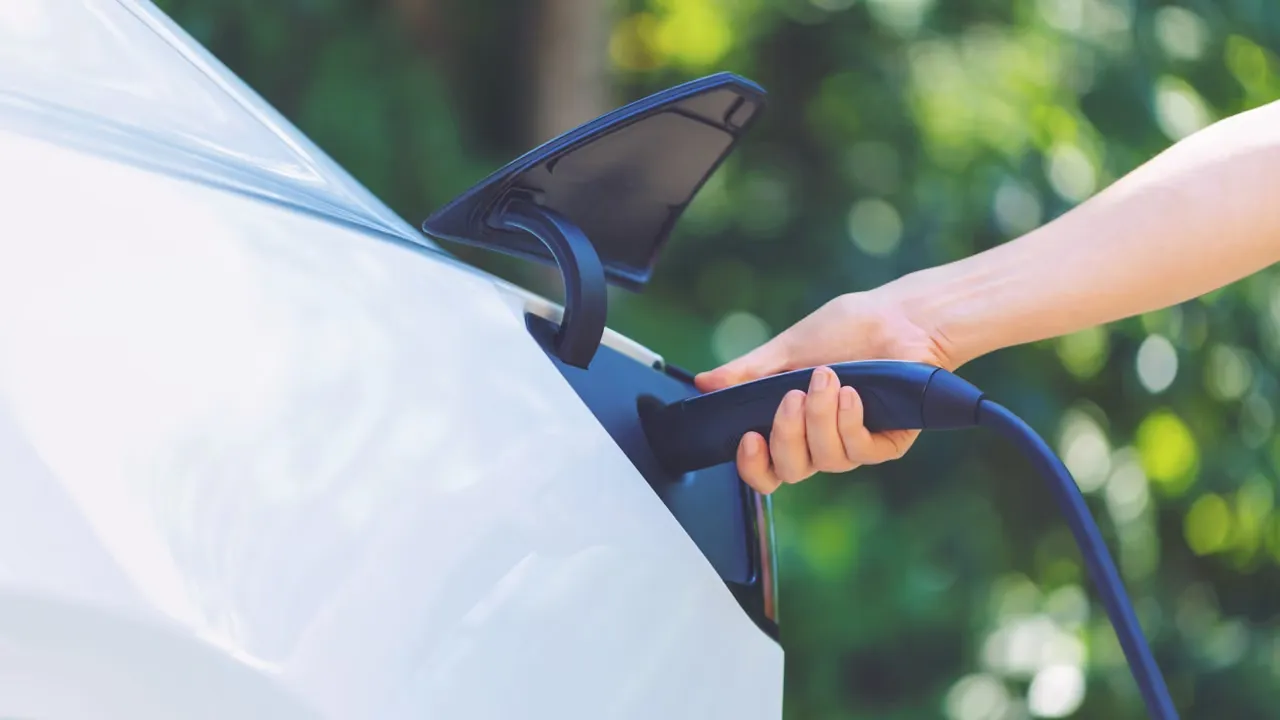
Traditional conductive charging requires physically connecting a cable from a power source to the vehicle. Wireless charging removes this step, using a primary coil in the ground and a secondary coil on the vehicle. Innovations have focused on improving efficiency and alignment tolerance, so the vehicle doesn’t have to be perfectly positioned to receive power.
Recent advances include dynamic wireless charging, where cars can recharge while driving over specially equipped roads. While still experimental, this could one day reduce the need for large onboard batteries and extend vehicle range dramatically.
User Convenience From Plugging In to Parking Over a Pad
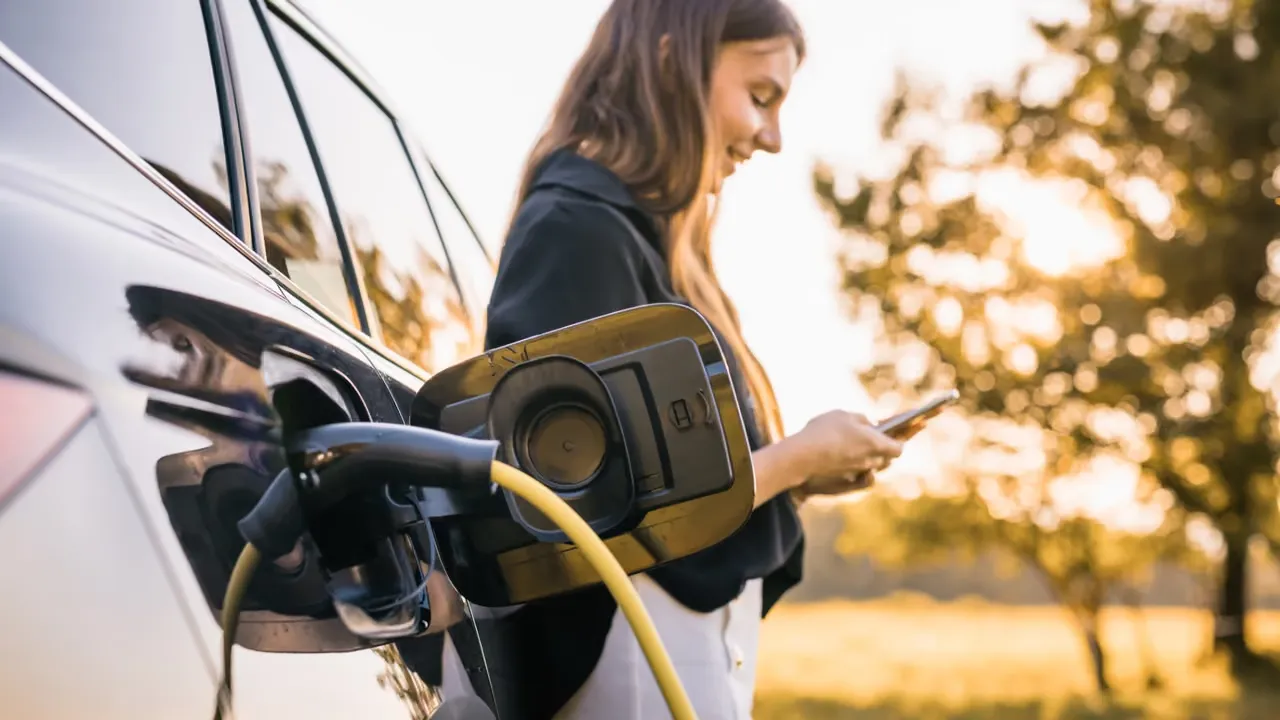
For many EV owners, plugging in the cable every day is a minor annoyance. It’s not a huge chore, but it can feel like a step backward in an otherwise high-tech experience. Wireless charging aims to eliminate this friction entirely.
- Ease of Use — Drivers simply park over a charging pad and the system handles the rest. No bending down, no fumbling with connectors in the dark or bad weather.
- Accessibility — Wireless pads can potentially be embedded into parking lots, garages, and even street parking spots, making charging ubiquitous and seamless.
- Reduced Wear and Tear — No cables to fray or connectors to corrode means fewer maintenance headaches.
This convenience could be particularly beneficial for people with mobility issues or those living in urban environments without private garages. Imagine a city where every parking spot doubles as a charging station and your car charges overnight without any effort on your part.
Infrastructure Implications Installing Wireless Charging in Homes and Public Spaces
Retrofitting existing infrastructure to support wireless EV charging is not without challenges. Installing charging pads requires civil work to embed the hardware into driveways, parking spaces, or roadways. This involves costs and logistical considerations that differ significantly from installing a traditional wall-mounted charger.
At home, wireless pads must be integrated into garages or driveways, which is feasible for many but less so for apartment dwellers. For public and commercial spaces, the potential is enormous but requires coordination with municipal authorities and property owners.
- Public Parking Lots — Incorporating wireless charging pads into large parking areas can turn them into convenient charging hubs without cluttering the space with cables and posts.
- Street Parking — Embedding pads in curbside spots could support on-the-go charging, though installation and maintenance would be more complex due to street traffic and weather exposure.
- Commercial Fleets — Wireless charging can streamline operations for delivery and taxi fleets, where vehicles frequently stop and start, reducing downtime and simplifying driver routines.
Utilities and city planners will need to consider power grid implications as wireless charging becomes widespread. The energy demand patterns could shift, requiring upgrades or smart grid integration to manage peak loads effectively.
Challenges and Future Outlook Efficiency Cost and Adoption
Wireless charging is not yet as efficient as wired systems. Energy losses during the transfer process can be higher, meaning longer charging times or greater electricity consumption. Manufacturers are working to close this gap, but it remains a technical hurdle.
Cost is another significant barrier. Wireless charging systems currently involve expensive hardware and installation. Until economies of scale and technological maturity bring prices down, many consumers and businesses may hesitate to adopt the technology widely.
Standardization also plays a role in adoption. Different automakers and charging providers need to agree on interoperable systems to avoid fragmentation that could confuse users and slow deployment.
Despite these obstacles, the momentum behind wireless EV charging grows. Pilot projects and early deployments demonstrate its potential to enhance user experience and integrate EVs more fluidly into daily life. As battery technology advances and urban infrastructure evolves, wireless charging could become a cornerstone of the electric mobility revolution.