
Battery Impact Clouds EV Green Promise
Are electric cars really as green as we think once you factor in the environmental toll of their batteries? The shift to electric vehicles (EVs) is often hailed as a key solution to climate change, but the ecological footprint of battery production complicates that story. Looking closer, we find a mix of challenges and promising innovations shaping the future of sustainable EV technology.
Understanding the ecological footprint of battery manufacturing
The heart of any electric car is its battery, usually a lithium-ion pack. Making these batteries uses a lot of resources and can harm the environment. Mining for lithium, cobalt, nickel, and other metals often destroys habitats, drains water, and causes pollution. For example, lithium extraction in dry areas strains water supplies, hurting local ecosystems and communities.
Besides raw materials, battery production needs a lot of energy, often from fossil fuels depending on where factories are located. This energy use adds to the overall carbon footprint of EVs, especially compared to regular cars. A 2021 study found that making an EV battery can release between 61 and 106 kilograms of CO2 per kilowatt-hour of battery size.
There are also ethical issues with cobalt mining in places like the Democratic Republic of Congo, where labor practices raise concerns. These factors complicate the environmental and social benefits linked to electric cars. We need to look closely at how batteries are made and what can be done to lower their impact.
Innovations in sustainable battery materials
To tackle these problems, researchers and companies are exploring new materials and smarter designs to cut the ecological footprint of EV batteries. Here are some key advances:
- Reducing cobalt content Cobalt is costly, ethically troubling, and harmful to mine. New battery types use less or no cobalt, with nickel-rich cathodes becoming more common. Tesla’s recent battery work, for example, focuses on cobalt-free chemistries.
- Solid-state batteries These swap liquid electrolytes for solid materials, making batteries safer and possibly allowing the use of more common, less harmful materials. Still in development, solid-state batteries could change EV sustainability.
- Lithium extraction improvements Some companies are creating greener lithium extraction methods like direct lithium extraction (DLE), which uses less water and causes less pollution than traditional evaporation ponds.
- Bio-based and recycled materials Research is exploring bio-derived materials for battery parts and using recycled metals in new batteries, cutting the need for fresh mining.
Recycling and second-life applications for EV batteries
Another key part of the sustainability puzzle is what happens to EV batteries after their car life ends. Even when batteries lose the power needed to run a car well, they often still hold enough charge for less demanding uses.
Second-life applications
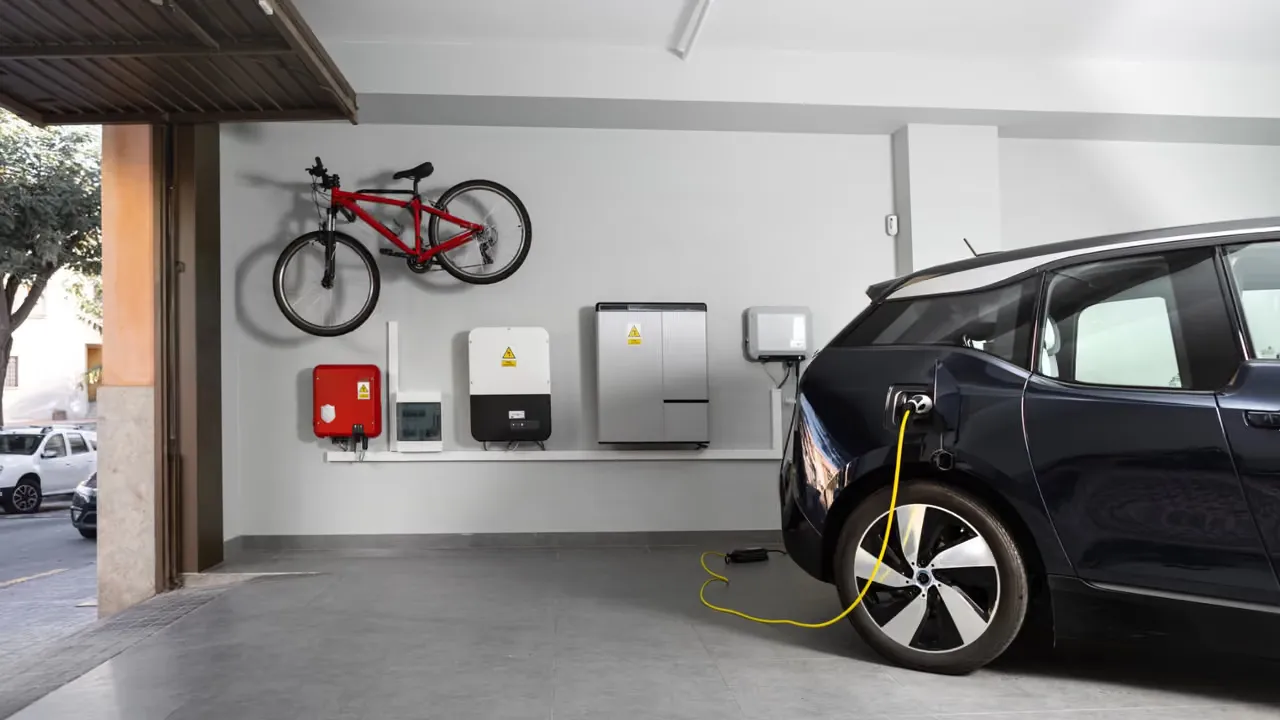
Used EV batteries are increasingly reused for energy storage systems. These help support renewable energy by storing solar or wind power and balancing electricity grid demand. This extends the useful life of battery materials, delaying recycling or disposal.
Recycling processes
Recycling EV batteries recovers valuable metals like lithium, cobalt, nickel, and manganese, cutting the need for new mining. Traditional recycling uses pyrometallurgical and hydrometallurgical methods, which can use a lot of energy and create waste. New direct recycling techniques aim to recover battery materials in a form ready for reuse with less energy and less environmental harm.
Challenges remain in expanding recycling facilities and improving collection systems. Still, as early EVs reach end-of-life in the next decade, efficient recycling will be key to closing the materials loop and reducing environmental damage.
Future prospects Toward greener electric vehicle technology
The push to cut carbon emissions in transport drives ongoing innovation in EV battery sustainability. Some promising trends include:
- Localizing supply chains Shortening and greening supply chains to cut emissions and boost transparency.
- Battery-as-a-service models Leasing batteries to improve reuse and lifecycle management.
- Advances in fast charging Reducing battery stress and wear, extending battery life and cutting waste.
- Integration with renewable energy Making sure the electricity used in battery production and EV charging comes from clean sources.
Electric cars offer a cleaner choice than fossil-fueled vehicles, but the sustainability of their batteries is still a work in progress. Tackling the environmental and ethical issues tied to battery production and disposal is crucial if EVs are to deliver on their promise without hidden costs.