

Challenges and Innovations of Rural EVs
Drive through many rural areas, and you might notice something unexpected: electric vehicles quietly charging alongside pickup trucks and tractors. The shift toward electric cars is no longer confined to city streets and suburban garages. Rural America, with its sprawling landscapes and unique challenges, is becoming a critical frontier in the electric vehicle (EV) revolution. This transformation is reshaping infrastructure, economies, and daily life far beyond the urban centers that often dominate the conversation.
Challenges of Adopting EVs in Rural Regions
Rural areas face hurdles that make EV adoption a slower, more complex process than in cities. For starters, the sheer distances between towns and homes mean that range anxiety—the fear of running out of battery power—is a far more tangible concern. When the nearest gas station might be 30 miles away, the idea of relying on an electric car without a reliable charging network feels risky.
Another issue is the lack of dense charging infrastructure. Urban areas benefit from numerous public charging stations, often within walking distance of homes, workplaces, and shopping centers. Rural residents, however, might have to drive long distances just to find a fast charger, which discourages EV ownership. Limited broadband connectivity in some rural regions also hinders the smart management of charging stations, reducing efficiency and convenience.
Additionally, the upfront cost of electric vehicles remains a barrier, especially in communities where average incomes are lower and access to financing is limited. Coupled with fewer local dealerships offering EV options, rural buyers have less exposure and fewer incentives to make the switch.
Innovations in Rural Charging Infrastructure
Despite these challenges, innovative solutions are emerging to build a rural EV ecosystem. One key development is the deployment of solar-powered charging stations that do not rely heavily on the existing electrical grid. These stations harness abundant sunlight to provide sustainable, off-grid charging options, especially useful in remote areas.
Communities and entrepreneurs are also embracing mobile charging units—trucks equipped with battery storage and chargers that can be dispatched to locations in need. This flexibility helps cover gaps in fixed infrastructure and offers emergency charging support during long trips.
Moreover, partnerships between local governments, utility companies, and private firms are funding the installation of fast chargers along rural highways and at community hubs. Some states have introduced grants specifically targeting rural EV infrastructure, accelerating build-out in places where market forces alone fall short.
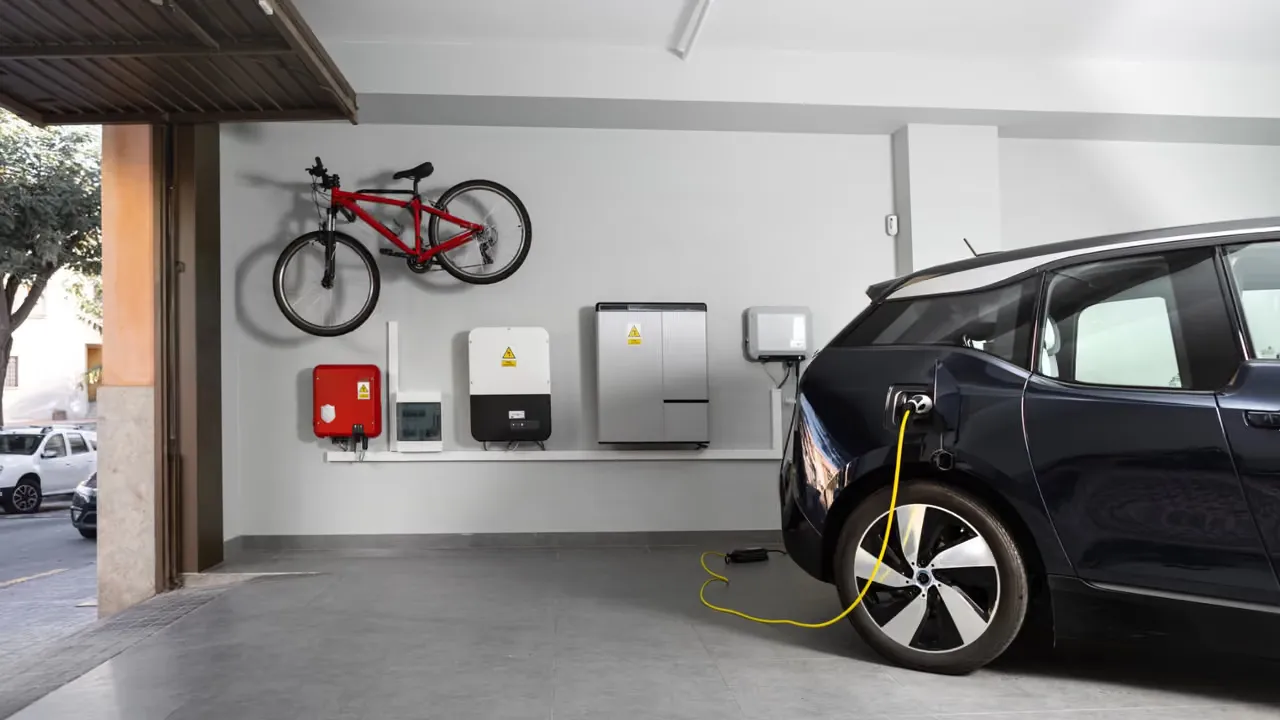
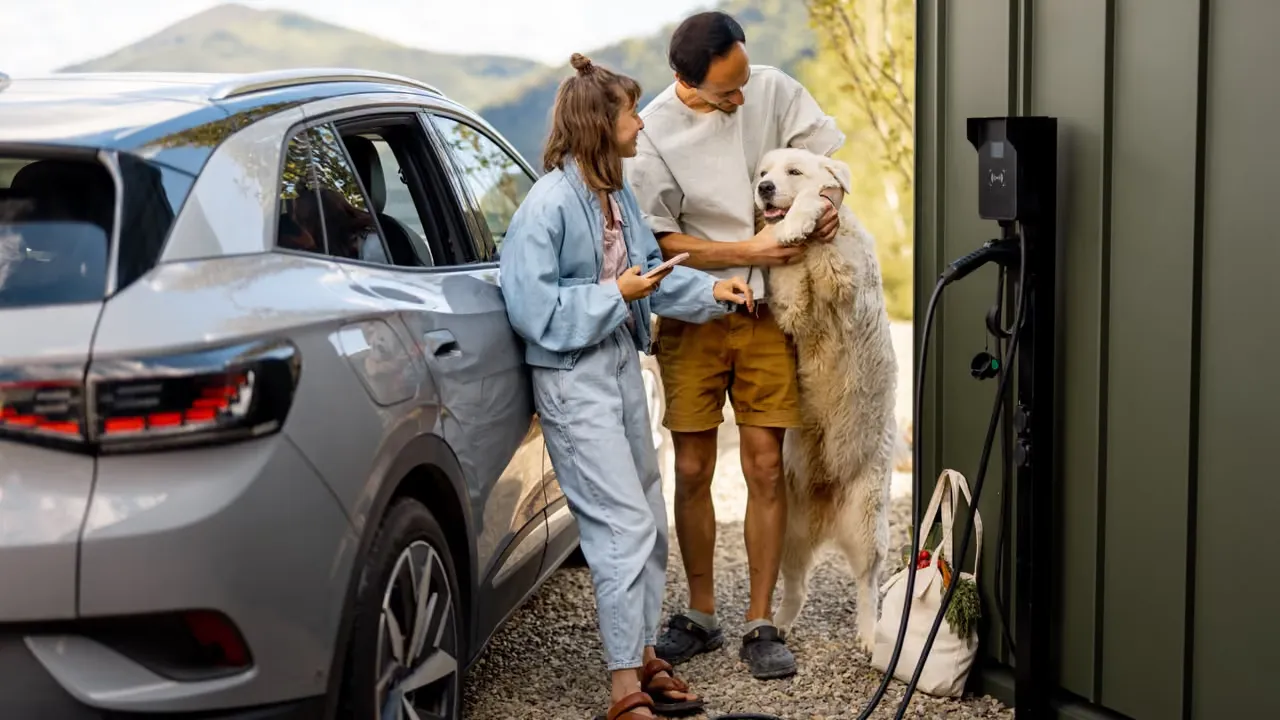
In addition, home charging innovations tailored to rural lifestyles are gaining traction. For example, smart chargers that optimize energy use based on fluctuating electricity rates and solar panel output help rural EV owners manage costs and maximize efficiency. These chargers can also function as backup power sources during outages, adding an extra layer of utility in areas prone to storms or grid instability.
Economic Impacts on Rural Communities
The electrification of transportation is already beginning to change rural economies in surprising ways. First, the demand for new infrastructure projects—installing chargers, upgrading local grids, and integrating renewable energy—creates jobs that are often more skilled and better paid than traditional rural employment sectors.
Local businesses benefit too. Convenience stores and diners located near charging stations see increased traffic from EV drivers who need to recharge and grab a meal, turning what was once a quick gas stop into a more leisurely visit. This can revitalize small towns struggling with economic decline.
Farmers and ranchers are also discovering electric vehicles that fit their needs, from battery-powered pickups to electric ATVs. These machines reduce fuel costs and maintenance while cutting emissions—a win for both the bottom line and the environment.
On a broader scale, rural areas that embrace EV infrastructure attract residents and businesses interested in sustainability and modern amenities. This can slow or reverse population loss, a persistent problem in many rural counties.
Future Outlook for Rural Electrification
The road ahead for rural EV adoption looks promising but requires continued investment and innovation. Advances in battery technology will extend vehicle range, easing range anxiety for rural drivers. Meanwhile, improvements in grid technology and energy storage will support more reliable and widespread charging networks.
Policies that recognize the unique needs of rural communities will be critical. This includes funding models that balance profitability with public service, ensuring that charging stations are accessible without being prohibitively expensive to operate.
Furthermore, the integration of electric vehicles into broader rural energy systems offers exciting possibilities. Vehicle-to-grid (V2G) technology, where EVs feed power back into the grid during peak demand, could transform rural areas into active energy hubs, enhancing grid stability and creating new revenue streams for owners.
As electric cars become a fixture of rural life, the transformation will extend beyond transportation. It will reshape how communities generate, store, and use energy—ushering in a new era of rural resilience and opportunity.