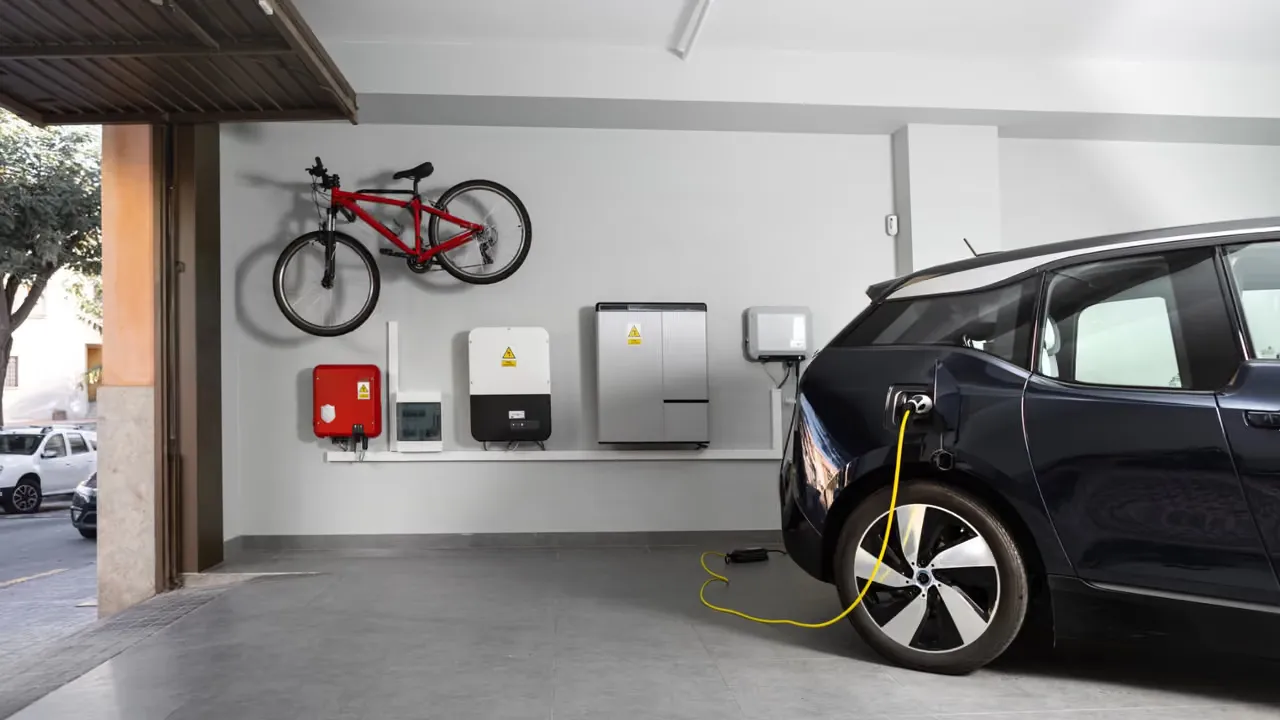


Electric Cars Driving Safer Roads Ahead
Can electric cars make our roads safer than ever before? Beyond their promise of cleaner air and reduced emissions, electric vehicles (EVs) are quietly paving the way for a revolution in road safety. Thanks to their unique architecture and the cutting-edge technologies they support, EVs are not just changing how we drive—they’re changing how we avoid accidents altogether.
The role of electric cars in reducing accident rates
Electric cars inherently contribute to safer driving environments in several ways. First, their design often features a lower center of gravity due to heavy battery placement beneath the floor. This improves stability and reduces the risk of rollover accidents, which are among the most dangerous types of crashes.
Moreover, EVs deliver instant torque control, allowing for smoother acceleration and deceleration. This responsiveness can help drivers avoid dangerous situations requiring quick maneuvers. Unlike traditional internal combustion engine vehicles, electric cars can fine-tune power output with greater precision, which translates into better handling in emergency scenarios.
Statistically, some early data suggests that EVs tend to be involved in fewer severe accidents. While factors such as driver behavior and road conditions still dominate safety outcomes, the mechanical advantages of electric cars provide an important foundation for accident reduction.
Integration of advanced driver-assistance systems in EVs
One of the most significant ways electric cars boost road safety is through the seamless integration of advanced driver-assistance systems (ADAS). These systems include features like automatic emergency braking, lane-keeping assistance, adaptive cruise control, and blind-spot monitoring.
Electric vehicles often come equipped with a highly integrated sensor suite—radar, cameras, ultrasonic sensors—that work in tandem with powerful onboard computers. The EV’s electrical architecture, unlike traditional vehicles, supports faster data processing and easier software updates. This means safety features can evolve and improve over the lifetime of the car without needing hardware changes.
Some EV manufacturers are pushing this integration further by designing their vehicles around autonomous driving capabilities from the ground up. The electric drivetrain’s compatibility with electronic controls and sensors makes it the ideal platform for ADAS and semi-autonomous functions.
How ADAS reduces human error
- Automatic Emergency Braking (AEB): Detects imminent collisions and applies brakes if the driver fails to react.
- Lane Departure Warning and Lane Keeping Assist: Prevents unintentional drifting out of lanes, a common cause of accidents.
- Adaptive Cruise Control: Maintains safe following distances automatically, reducing rear-end collisions.
- Blind Spot Detection: Alerts drivers to vehicles in adjacent lanes that may not be visible.
How EVs facilitate real-time data sharing for safer roads
Electric cars are more than just smart vehicles; they’re nodes in a connected network. Many EVs are equipped with cellular connectivity that allows them to communicate with other vehicles, infrastructure, and traffic management systems. This vehicle-to-everything (V2X) communication is a game-changer for road safety.
Imagine a scenario where an EV detects black ice on the road or a sudden traffic slowdown. Through V2X, it can instantly share this information with nearby vehicles, alerting them to adjust speed or take alternative routes. This real-time data sharing reduces chain-reaction accidents that often occur because drivers have little warning about hazards ahead.
Furthermore, city planners and traffic authorities can use aggregated data from electric cars to optimize traffic light timing, manage congestion, and identify accident hotspots. This creates a feedback loop where vehicles and infrastructure continuously work together to enhance safety for everyone on the road.
Examples of real-time safety data in action
- Hazard Alerts: Vehicles warn others about road debris, potholes, or sudden stops.
- Emergency Vehicle Notification: EVs receive early warnings about approaching ambulances or fire trucks, allowing smoother and faster responses.
- Traffic Flow Optimization: Dynamic rerouting based on real-time congestion data reduces risky stop-and-go conditions.
Future prospects Electric cars as platforms for autonomous driving safety
The electric vehicle is rapidly becoming the default platform for fully autonomous driving. Unlike traditional cars, EVs are designed with an electronic-first approach, making it easier to integrate the complex sensor arrays and computing power required for self-driving capabilities.
Autonomous EVs have the potential to virtually eliminate accidents caused by human error—which accounts for over 90% of crashes. They can maintain perfect awareness of their environment, react faster than any human, and communicate seamlessly with other vehicles and infrastructure.
In the near future, electric cars will not only drive themselves but will do so with safety as the core priority. From coordinated platooning on highways to precision navigation in dense urban areas, autonomous EVs promise to create roadways where accidents become a rarity rather than a fact of life.
Some manufacturers are already testing fleets of autonomous electric taxis and delivery vehicles. These trials offer a glimpse of a future where transportation is safer, smarter, and more efficient—all built on the foundation of electric vehicle technology.