

Five Ways EVs Enhance City Living
Walking through any major city today, you can’t help but notice the subtle yet growing presence of electric cars. They glide silently past, a stark contrast to the usual urban cacophony. But beyond their quiet operation, electric vehicles (EVs) are becoming critical players in the future of urban transportation—especially when paired with smart city infrastructure. This integration is reshaping how cities manage energy, traffic, and parking, pushing us toward truly sustainable urban living.
Smart Grid Synergy How EVs Support Energy Management
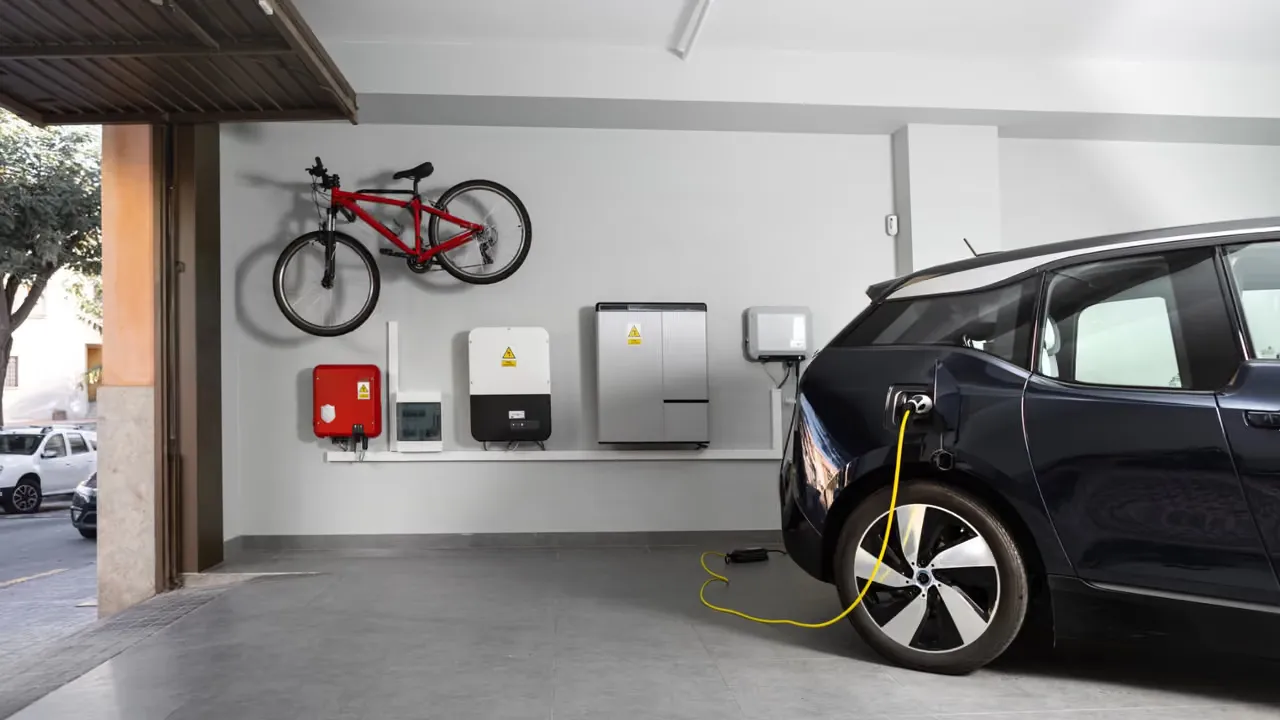
Electric cars are not just modes of transport; they are mobile energy assets. When connected to a smart grid, EVs can help balance electricity demand and supply in real time. During off-peak hours, these vehicles can charge at lower rates, soaking up surplus renewable energy from wind or solar farms. This prevents energy waste and reduces reliance on fossil fuel power plants during peak times.
Smart grids equipped with advanced sensors and communication technologies allow utilities to orchestrate when and how EVs charge. For example, a city’s energy management system might delay charging for thousands of parked EVs during a sudden spike in demand or shift charging to times when renewable energy production peaks. This dynamic approach not only stabilizes the grid but also lowers energy costs for consumers.
Intelligent Parking and Traffic Flow with Electric Vehicles
Parking and traffic congestion are the bane of urban life. Here, smart city infrastructure leverages the connectivity of electric vehicles to optimize these persistent problems. EVs equipped with GPS and communication modules can interact with city sensors and centralized traffic management systems to find available parking spaces in real time. This reduces the frustrating—and polluting—circling for spots.
Moreover, integration with smart traffic lights and road sensors enables EVs to contribute data that improves traffic flow. Cities can use this information to adjust signal timings, reducing stop-and-go traffic, which is a major contributor to urban emissions. Since EVs produce no tailpipe emissions, smoothing traffic flow benefits air quality and noise levels, enhancing urban livability.
The Role of Vehicle-to-Grid Technology in Sustainable Cities
One of the most promising innovations linking electric cars and smart cities is vehicle-to-grid (V2G) technology. V2G allows EVs to not only draw power from the grid but also feed electricity back into it when needed. Imagine a fleet of parked cars, each serving as a tiny power station during peak demand periods.
This bi-directional energy flow helps stabilize the grid and supports the integration of intermittent renewable energy sources. For instance, on a cloudy day when solar power dips, EVs can discharge stored electricity to meet immediate needs. This reduces the need for backup fossil fuel generators.
V2G technology also opens new revenue streams for EV owners, who can sell excess energy stored in their car batteries back to the grid. This creates a financial incentive to participate in sustainable energy practices, fostering a stronger connection between urban residents and their city’s energy ecosystem.
Challenges and Opportunities in Urban EV Integration
Despite the clear benefits, integrating electric vehicles into smart city infrastructure is far from seamless. One significant challenge is the uneven availability of charging stations. Urban planners must ensure equitable access to charging, especially in underserved neighborhoods where residents may not have private parking.
Another hurdle is the complexity of coordinating thousands of EVs with the grid and traffic systems in real time. This requires robust data privacy and cybersecurity measures to prevent hacking and misuse of sensitive information. Additionally, the upfront costs of smart infrastructure upgrades can be daunting for city governments.
However, these challenges come with opportunities. Public-private partnerships can accelerate the deployment of charging networks and smart sensors. Data generated by EVs can inform better urban planning decisions, from road maintenance to public transit routing. Moreover, citizen engagement programs can educate residents about the benefits of EV-smart city integration, fostering community support.
Ultimately, the integration of electric vehicles with smart city infrastructure is not just a technological upgrade—it’s a fundamental shift in how cities function, breathe, and grow. It demands bold thinking, coordinated action, and a willingness to rethink urban life itself.