
Can EV Batteries Ever Be Truly Green
Electric cars often get praised for their zero tailpipe emissions, but the story doesn’t end when you hit the accelerator. The environmental impact of electric vehicles (EVs) stretches far beyond just what comes out of the exhaust—or rather, what doesn’t. To truly understand their footprint, we need to dig into the entire lifecycle of EVs, from how they’re built to how they’re powered and eventually recycled.
Manufacturing Emissions What Goes Into Building an EV?
Building an electric car isn’t a low-impact endeavor. Manufacturing an EV typically results in higher emissions than producing a conventional internal combustion engine (ICE) vehicle. The biggest reason? The battery.
EV batteries require significant amounts of energy-intensive materials like lithium, cobalt, and nickel. Extracting and processing these raw materials is resource-heavy and emits substantial greenhouse gases. Mining operations, often located in countries with lax environmental regulations, can cause deforestation, water pollution, and habitat destruction.
Once the materials reach the factory, the assembly process—particularly for the battery packs—demands considerable electricity, sometimes generated from fossil fuels depending on the region. Studies estimate that producing a midsize EV can emit roughly 15–68% more carbon dioxide equivalent than manufacturing a comparable gasoline car, mostly because of the battery.
Battery Production and Recycling Challenges
The battery is both the heart and the environmental Achilles’ heel of an electric car. Lithium-ion batteries have a limited lifespan, typically lasting between 8 to 15 years depending on usage, after which their efficiency drops and they need replacement or repurposing.
Recycling these batteries is complicated and costly. Current recycling technologies recover some valuable metals, but the processes are energy-intensive and not yet widespread. Many batteries end up in landfills or are stockpiled, raising concerns about toxic chemical leakage and resource wastage.
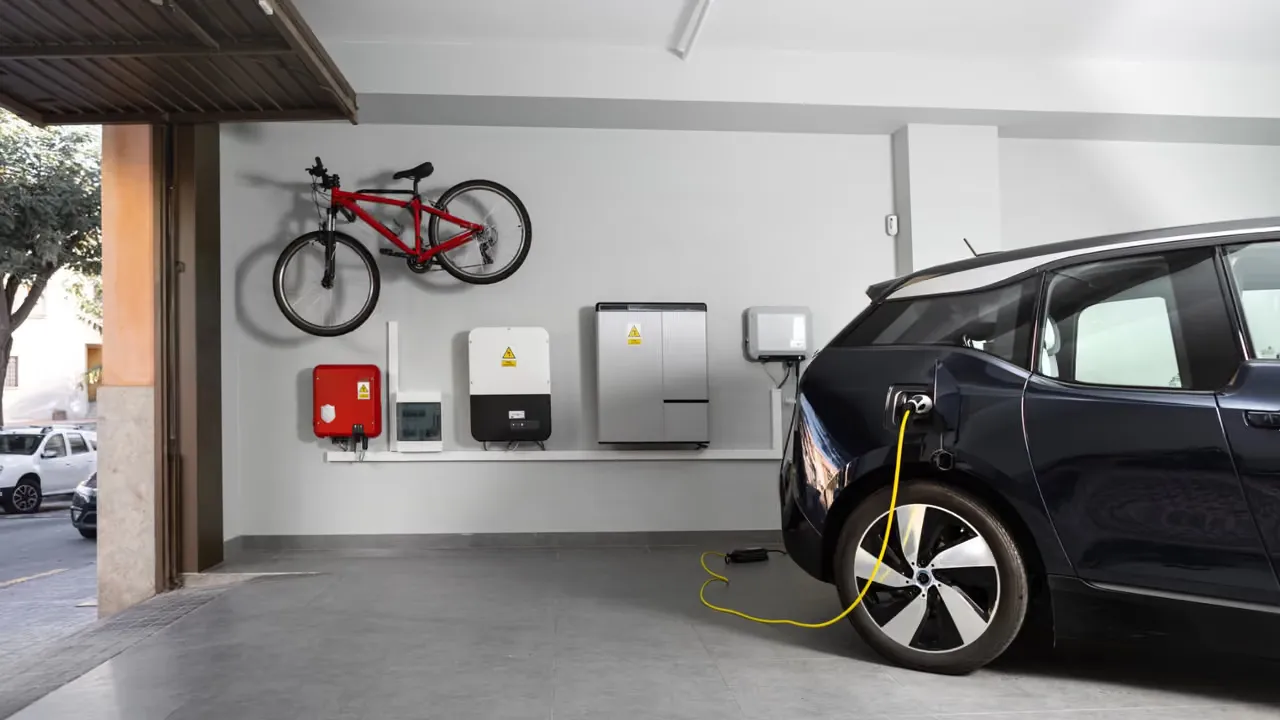
Efforts are underway to improve battery recyclability and promote second-life applications, like using old EV batteries for stationary energy storage. However, scaling these solutions to meet the growing number of retired batteries remains a challenge.
Electric Cars and Renewable Energy Integration
The environmental benefits of EVs depend heavily on the source of the electricity used to charge them. Charging an EV with coal-powered electricity can produce emissions nearly as high as a fuel-efficient gasoline car, while charging from wind or solar power makes EVs much cleaner.
Fortunately, the electricity grid is gradually becoming greener worldwide, thanks to increasing investments in renewable energy. EVs could play an important role in this transition, acting as mobile energy storage units. Vehicle-to-grid (V2G) technology allows EVs to feed electricity back into the grid during peak demand, helping to balance loads and reduce reliance on fossil fuel power plants.
However, the pace of renewable integration varies greatly by region. In areas where coal or natural gas dominate electricity generation, the environmental advantage of EVs is less clear-cut.
Comparing Overall Environmental Footprints EVs vs Conventional Vehicles
When comparing the overall environmental impact, electric vehicles generally come out ahead, but the margin depends on several factors:
- Manufacturing impacts: Higher for EVs due to batteries.
- Operational emissions: Near zero for EVs if powered by clean electricity; significant for gasoline and diesel cars.
- End-of-life management: Complex for EV batteries, simpler for conventional vehicles but still impactful.
Life cycle assessments (LCAs) consistently show that over their entire lifespan, EVs tend to produce fewer greenhouse gas emissions than conventional vehicles, especially in regions with clean electricity grids. The break-even point—where the upfront manufacturing emissions are offset by lower operational emissions—can range from 1 to 3 years depending on driving habits and energy sources.
It’s also worth noting that EVs eliminate local air pollutants like nitrogen oxides and particulate matter, which conventional vehicles produce in significant amounts. This has immediate benefits for urban air quality and public health.
Still, the environmental benefits of electric cars aren’t automatic. They depend on cleaner manufacturing processes, sustainable mining practices, effective battery recycling, and a greener grid. Without progress in these areas, the promise of EVs as a green alternative risks falling short of its potential.