
Charging Ahead In Remote Rural Communities
How are electric cars changing the way people in rural areas get around and face unique challenges?
Charging Infrastructure in Rural Areas Overcoming the Distance Challenge
Rural America and many other non-urban regions face a fundamental problem when it comes to electric vehicles (EVs): distance. Unlike cities where charging stations are often just around the corner, rural drivers may have to cover vast stretches of road with no access to a power source. This distance challenge is the biggest hurdle for widespread EV adoption outside urban centers.
Building charging infrastructure in rural areas is expensive and slow. The population density simply doesn’t justify the same investment per mile as in cities. Many rural residents rely on long commutes or travel to towns far away for essentials, making fast, reliable charging crucial. However, the cost of installing high-speed chargers combined with lower usage rates creates a tough economic equation.
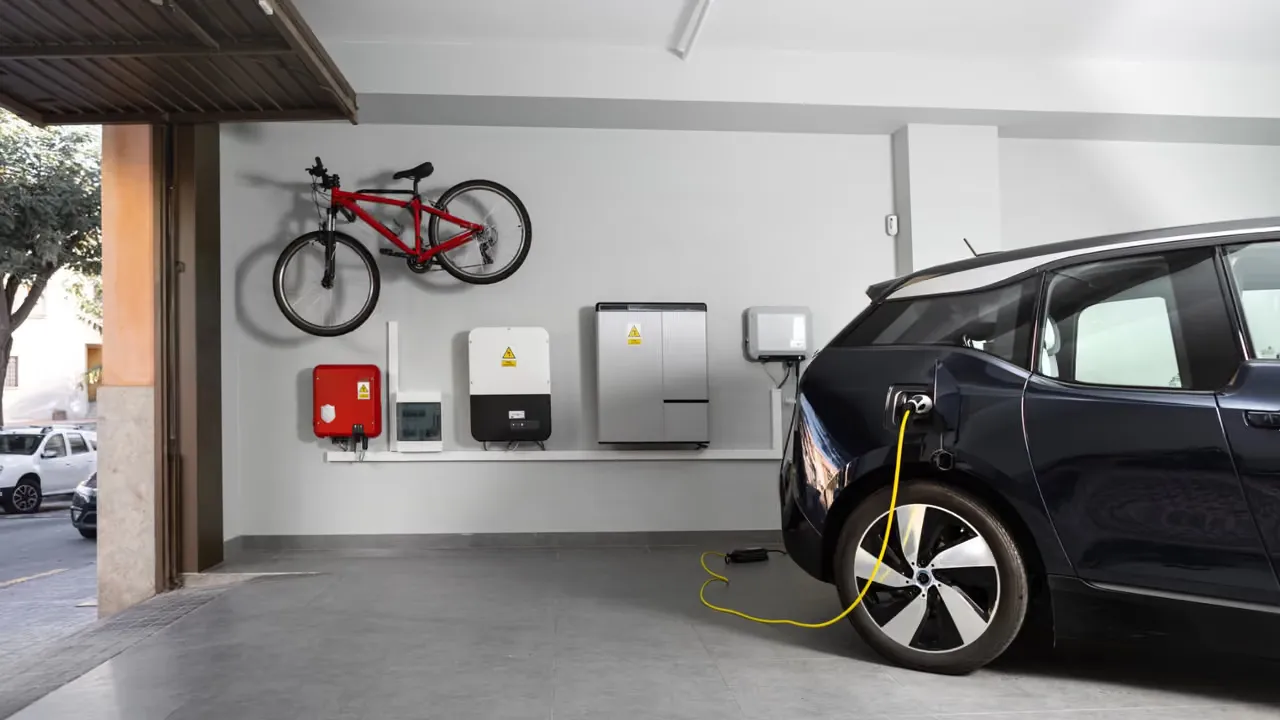
Some solutions are beginning to emerge. Community-driven initiatives, such as local cooperatives pooling resources to install chargers, show promise. Utilities are also experimenting with grid upgrades focused on rural corridors to support EV charging. Additionally, slower Level 2 chargers at popular rural hubs like grocery stores, libraries, and post offices provide a stopgap for less frequent charging needs.
Economic Impacts of EV Adoption in Rural Communities
Electric vehicles could both disrupt and invigorate rural economies. On the one hand, lower fuel and maintenance costs for EVs can ease financial burdens on families who often spend a larger share of income on transportation. This shift could improve household budgets and increase disposable income for other essentials.
On the other hand, rural gas stations and auto shops dependent on fossil fuels face uncertain futures. Some may close, while others must adapt or diversify their services. This transition period could put jobs at risk but also create new opportunities in EV-related sectors.
There’s also potential for economic development linked to EV infrastructure itself. Installing and maintaining charging stations requires local labor, which can create jobs. Rural areas with renewable energy resources might attract EV charging hubs powered by solar or wind, turning transportation into a driver of green job growth.
Adapting Maintenance and Repair Services Outside the City
Electric vehicles have fewer moving parts than internal combustion engine cars, meaning less frequent maintenance. However, when repairs are needed, rural drivers face a unique challenge: fewer mechanics trained to work on EVs.
Most rural auto shops currently specialize in traditional vehicles. The shift to electric means these shops need new tools and knowledge. Unfortunately, training programs and certification for EV repair are often centered in urban training centers. This gap leaves rural EV owners vulnerable to long wait times and costly trips to distant cities for service.
To address this, some rural areas are encouraging local mechanics to get EV-specific training. Manufacturers and governments can help by subsidizing these programs and supplying diagnostic equipment. Mobile repair services are also gaining traction, bringing expertise directly to remote customers.
Potential Environmental Benefits and Challenges Specific to Rural Regions
Electric cars offer clear environmental benefits, especially in reducing tailpipe emissions that contribute to air pollution and climate change. For rural areas, this has particular significance. Many rural communities suffer from poor air quality due to agricultural burning, dust, and older diesel equipment. Replacing gasoline and diesel cars with EVs can help improve local air quality and public health.
However, the environmental story in rural regions isn’t straightforward. The source of electricity matters. Many rural areas still depend on coal or natural gas power plants. Without clean energy, charging EVs might simply shift pollution from tailpipes to power plants. Expanding renewable energy in these areas is critical to delivering true environmental benefits.
Another challenge is the impact on local wildlife and land use. Installing charging infrastructure requires careful planning to avoid disrupting habitats. Moreover, the increased demand on rural power grids necessitates upgrades that must balance environmental protection with infrastructure needs.