
Electric Car Battery Recycling Falls Short
What happens to electric car batteries when they reach the end of their life? While electric vehicles (EVs) promise a greener future, the journey toward true sustainability doesn’t end when the car stops running. The recycling of EV batteries is a complex and crucial piece of the puzzle, often overshadowed by the excitement around driving emissions-free. As EV adoption grows, so does the urgency to tackle the challenges and harness innovations in battery recycling to keep this revolution sustainable.
Understanding the Complexity of EV Battery Recycling
EV batteries are not simple to recycle. Unlike traditional car batteries, they are large, multi-layered, and contain a mix of valuable and hazardous materials. Most EV batteries use lithium-ion technology, which includes lithium, cobalt, nickel, manganese, and other metals arranged in tightly packed cells. The complexity arises from the need to safely dismantle and separate these components without losing value or causing environmental harm.
One major issue is the design of batteries themselves. Manufacturers often prioritize performance, weight, and cost over recyclability. Battery packs can be sealed with strong adhesives, encased in heavy metals, or embedded with sensors and electronics that complicate disassembly. This makes the first step—taking batteries apart—labor-intensive and costly.
Moreover, the chemical stability of battery materials varies greatly. Some components degrade or become unstable after use, requiring careful handling to avoid fires or toxic exposure. This safety concern adds another layer of difficulty to recycling operations.
Current Technologies and Their Limitations
The most common recycling methods for EV batteries today fall into three categories: pyrometallurgical, hydrometallurgical, and direct recycling.
- Pyrometallurgical recycling involves high-temperature smelting to recover metals like cobalt, nickel, and copper. It’s a robust process but comes with high energy consumption and loss of lithium and aluminum, which end up as waste.
- Hydrometallurgical recycling uses chemical solutions to dissolve metals from shredded battery materials, allowing for more complete recovery, including lithium. However, it requires large volumes of chemicals and generates wastewater that must be treated carefully.
- Direct recycling aims to preserve the cathode materials’ structure so they can be reused directly in new batteries. This method promises higher efficiency and less environmental impact but is still in the experimental or pilot stage and struggles with batteries of different chemistries and conditions.
Despite these technologies, recycling rates for lithium-ion batteries remain relatively low worldwide. A big reason is economics—recycling costs often exceed the value of recovered materials, especially when raw material prices dip. Additionally, inconsistent battery designs and lack of standardized recycling infrastructure slow progress.
Innovations Driving Improved Recycling Methods
To overcome these hurdles, researchers and companies are pushing the envelope with new approaches and technologies.
- Advanced sorting and dismantling automation helps speed up battery pack disassembly while improving worker safety. Robotics combined with AI can identify battery types and safely extract cells for further processing.
- Enhanced hydrometallurgical processes now use greener solvents and closed-loop systems that minimize chemical waste and recover a broader range of materials, including lithium, which has historically been difficult to reclaim.
- Direct recycling techniques are evolving to handle mixed and aged battery chemistries, potentially allowing spent cathode materials to be refreshed and reused with minimal processing. This could dramatically cut energy use and costs.
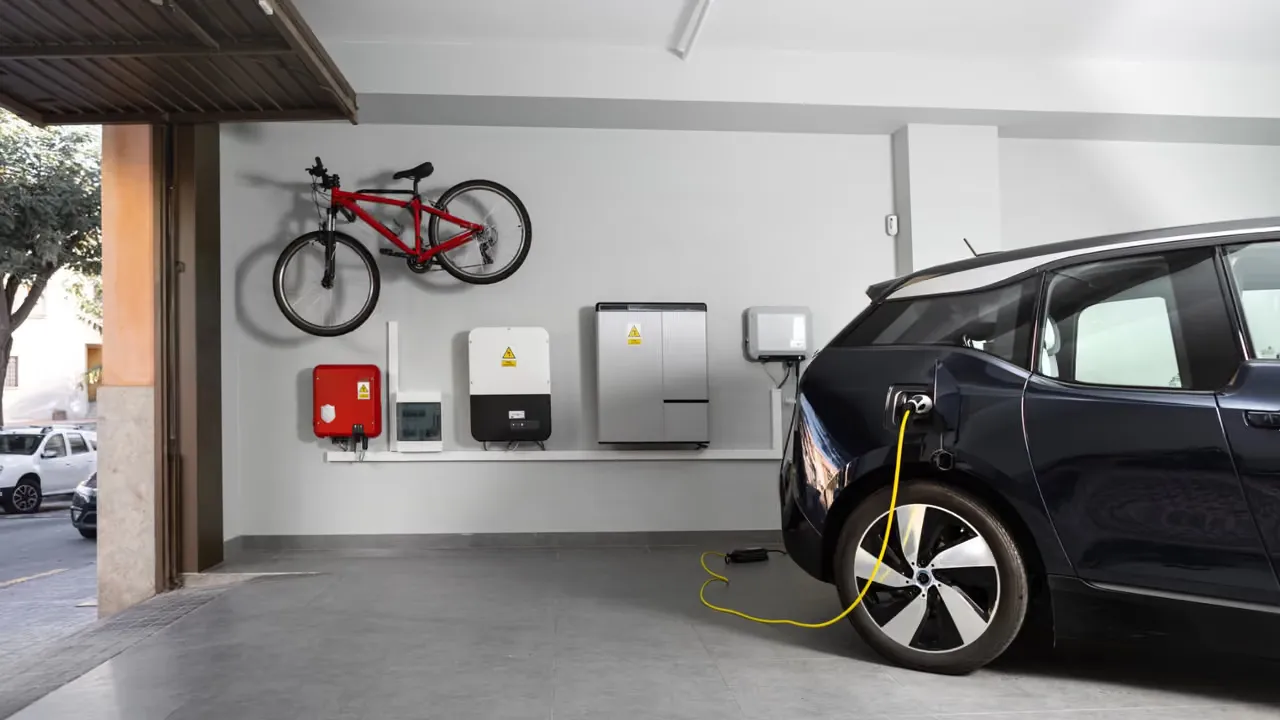
- Second-life applications extend battery utility before recycling. Used EV batteries often retain significant capacity and can be repurposed for stationary energy storage, reducing immediate recycling pressure and improving overall resource efficiency.
- New battery designs are emerging with recyclability in mind. Modular batteries that are easier to dismantle, use less toxic materials, or incorporate recycled content could simplify end-of-life processing.
Government policies and industry collaborations also play a critical role. Extended producer responsibility laws, recycling mandates, and incentives for recycled material use encourage investment in recycling infrastructure and innovation. Partnerships between automakers, recyclers, and material suppliers aim to create circular supply chains that close the loop on battery materials.
The Future Outlook for Sustainable Battery Lifecycle Management
As EVs become mainstream, the scale of battery recycling will increase exponentially. The industry must move beyond treating recycling as an afterthought and instead embed it into the battery lifecycle from design to disposal.
Technological breakthroughs will continue to lower costs and improve recovery rates, but equally important are system-level changes. Standardizing battery formats, improving collection networks, and developing transparent tracking systems for batteries will help optimize recycling flows.
Ultimately, the sustainability of electric vehicles hinges not just on cutting tailpipe emissions but on responsibly managing the resources that power them. Recycling may seem like a technical footnote today, but it’s poised to become a defining factor in the environmental impact and economic viability of the EV revolution.