
EVs Transform Urban Parking and Grids
Walking through many cities today, it’s impossible to miss the subtle but significant shifts taking place. Electric cars, once a niche curiosity, are now steering changes far beyond the obvious. They’re not just altering how we drive; they’re reshaping the very fabric of urban infrastructure. Roads and charging stations are only the beginning. The rise of electric vehicles (EVs) is demanding a rethink of power grids, parking designs, public transit, and city planning itself.
The Impact of Electric Cars on City Power Grids
The influx of electric vehicles is putting new pressure on urban power grids. Unlike gas stations where refueling is quick and independent of the electrical system, EV charging requires significant and sustained electricity draws. This means cities must upgrade their power infrastructure to handle peak loads, especially as fast charging becomes more common.
Urban grids designed decades ago for relatively stable and predictable energy consumption patterns now face unpredictable spikes. Evening charging surges, when people return home, can strain transformers and local distribution networks. Without smart management, this could mean more outages or the need for expensive infrastructure overhauls.
To adapt, many cities are investing in smart grid technologies that allow for demand response — essentially shifting charging times to off-peak hours or balancing loads dynamically. Some areas are experimenting with vehicle-to-grid (V2G) systems, where EVs act as temporary energy storage, feeding electricity back to the grid during high demand. These innovations turn electric cars from energy burdens into assets, but require complex coordination and investment.
Redesigning Parking Spaces for Electric Vehicle Needs
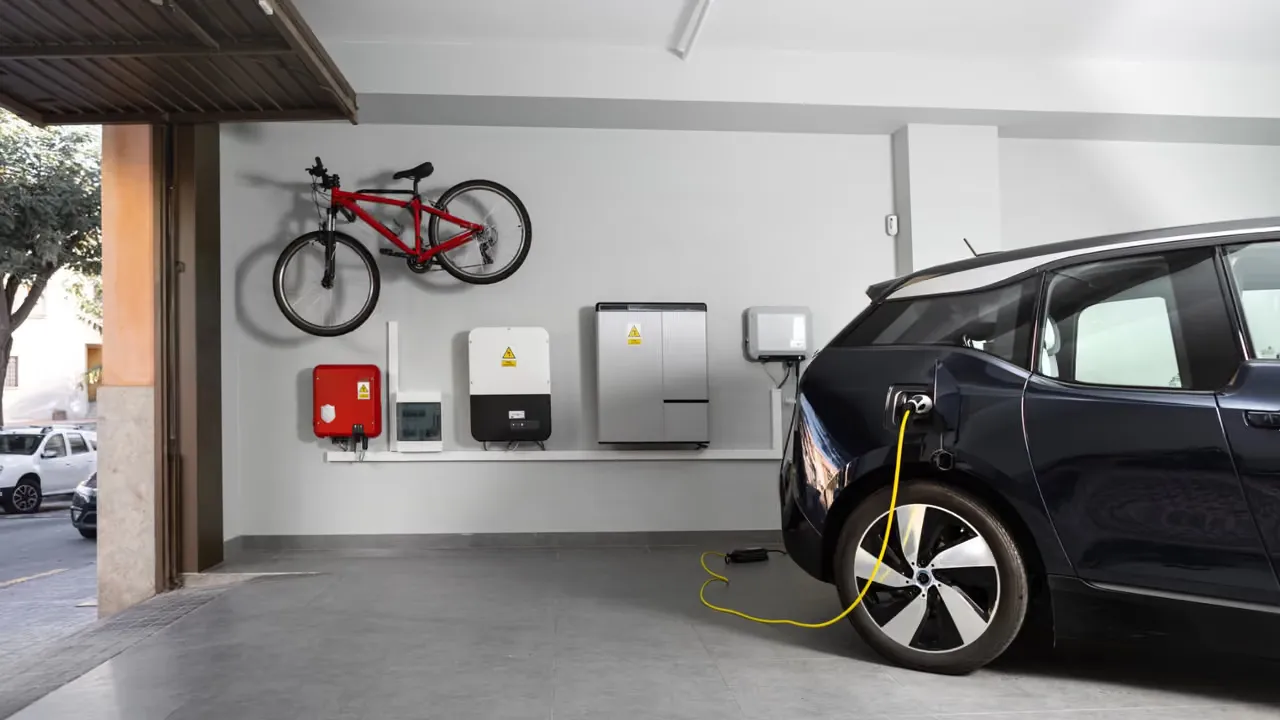
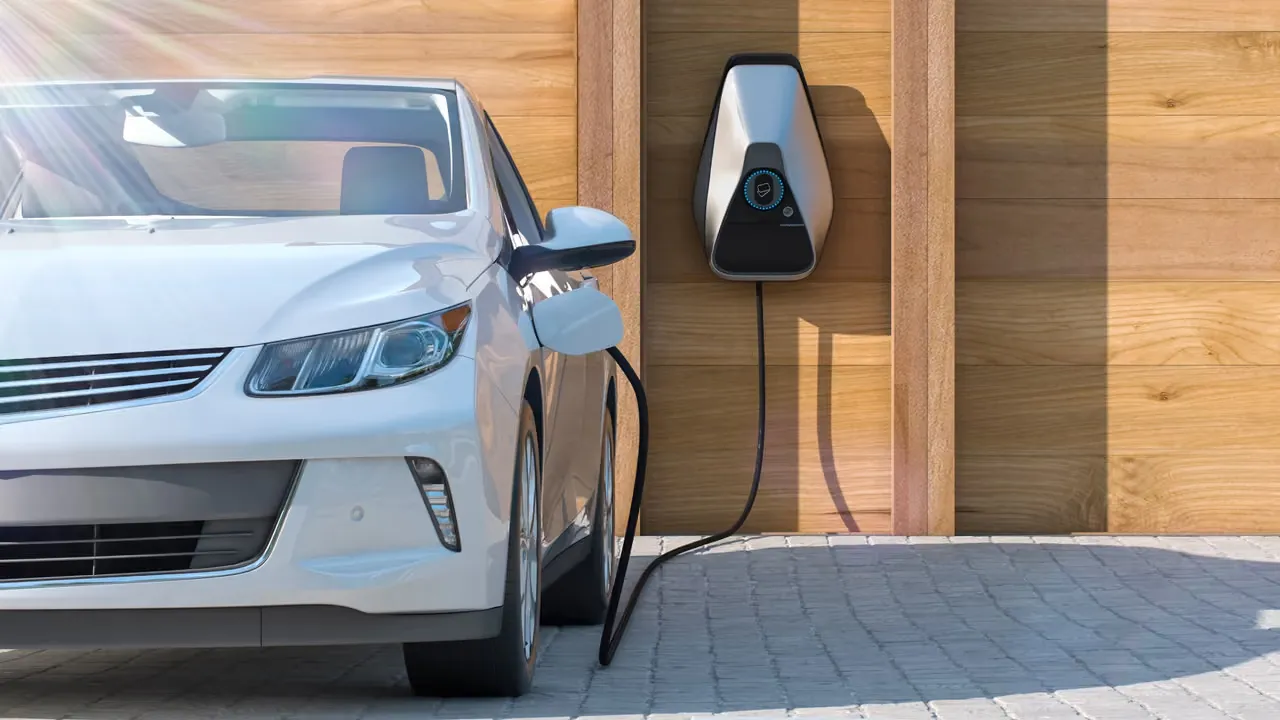
Parking lots and garages are no longer just about fitting cars in tight spaces. With EVs, they need to accommodate charging infrastructure, which changes the design and utility of these spaces. This is rewriting urban parking norms.
- Charging Access: Dedicated EV charging spots must be integrated into parking facilities. This shifts the focus from maximizing the number of spaces to ensuring quality and accessibility of charging points.
- Power Supply: Parking areas require upgraded electrical wiring and capacity to support multiple simultaneous chargers, sometimes including fast chargers that demand heavy loads.
- Space Allocation: EV spots often require more room due to the charging equipment and cables, reducing the total number of parking spaces unless parking layouts are redesigned.
- Pricing and Policies: Cities and private operators are experimenting with dynamic pricing for EV parking to encourage turnover and efficient use of charging spots.
These changes ripple outward. For example, curbside parking in busy downtown areas is being converted into EV charging zones, affecting delivery and ride-share operations. Residential areas face challenges too; not every home has a garage or driveway to install personal chargers, pushing cities to create communal charging hubs.
Integrating Electric Vehicles into Public Transportation Systems
Electric mobility isn’t confined to private cars. Public transportation is embracing electrification, with buses, trams, and even taxis shifting to electric power. This integration is transforming how cities think about transportation infrastructure.
Electric buses require charging depots equipped with high-capacity chargers, often installed at transit depots or along routes. Unlike private vehicles, these buses need rapid turnaround charging or opportunity charging at stops, which forces a rethink of depot design and scheduling.
Moreover, electric taxis and ride-share fleets necessitate centralized charging hubs to keep vehicles operational throughout the day. Some cities are experimenting with wireless charging pads embedded in roads or parking spots, allowing taxis or buses to top up without plugging in.
This electrification drive also dovetails with the rise of micro-mobility and shared electric scooters or bikes, which require their own charging and storage solutions integrated into transit hubs and public spaces.
Future Urban Planning Considerations for Electric Mobility
Electric vehicles are pushing urban planners to think beyond traditional transportation infrastructure. The presence of EVs demands a holistic approach that blends energy, mobility, and land use planning.
- Energy Infrastructure: Future urban designs must incorporate distributed energy resources like solar panels and energy storage systems close to charging stations to reduce grid stress and improve sustainability.
- Multi-Modal Integration: EV infrastructure will be most effective when integrated with other modes of transport, encouraging seamless transitions between private EVs, public transit, and micro-mobility options.
- Land Use and Zoning: Cities might allocate zones specifically for EV hubs that combine parking, charging, maintenance, and possibly retail or community spaces, rethinking how land is used and valued.
- Environmental and Social Equity: Planning must ensure that EV infrastructure benefits all residents, including underserved neighborhoods that historically face poorer transportation options.
- Technological Flexibility: Urban infrastructure must be adaptable to evolving EV technologies like wireless charging, autonomous electric vehicles, and battery swapping stations.
The shift toward electric cars is more than a technological upgrade; it’s a catalyst for reimagining cities themselves. Roads, parking lots, transit hubs, and power grids — all must evolve in ways that foster sustainable, efficient, and equitable urban living. Electric cars are no longer just vehicles; they are agents of urban transformation.