
What Drives the Electric Vehicle Surge
Walk through any city today and you’ll notice more than just a shift in vehicle colors or shapes. Electric cars are quietly but decisively transforming how we think about personal transportation. This change goes far beyond the well-touted benefits of reducing tailpipe emissions. It’s a revolution touching technology, economics, infrastructure, and even our daily routines.
Evolution of Electric Vehicle Technology From Early Models to Modern Innovations
Electric vehicles (EVs) aren’t exactly new. The first practical electric cars appeared in the late 19th century, long before the internal combustion engine claimed dominance. Yet, early EVs were limited by battery technology, range, and cost. Fast forward to today, and the landscape is radically different.
Modern EVs boast lithium-ion batteries that deliver hundreds of miles per charge and can be recharged in a fraction of the time it once took. Innovations such as solid-state batteries promise even greater energy density and safety, pushing electric cars closer to matching or surpassing gasoline vehicles in every practical aspect.
Beyond batteries, advancements in electric motors, regenerative braking, and lightweight materials have improved efficiency and performance. EVs can accelerate more smoothly and briskly than many traditional cars, offering a driving experience that’s both enjoyable and eco-friendly.
The Role of Software and Connectivity in Enhancing EV User Experience
Electric cars are not just vehicles; they are smart devices on wheels. Software plays a crucial role in how EVs operate and interact with their owners. Over-the-air updates keep vehicles up-to-date with the latest features and improvements without a visit to the dealership.
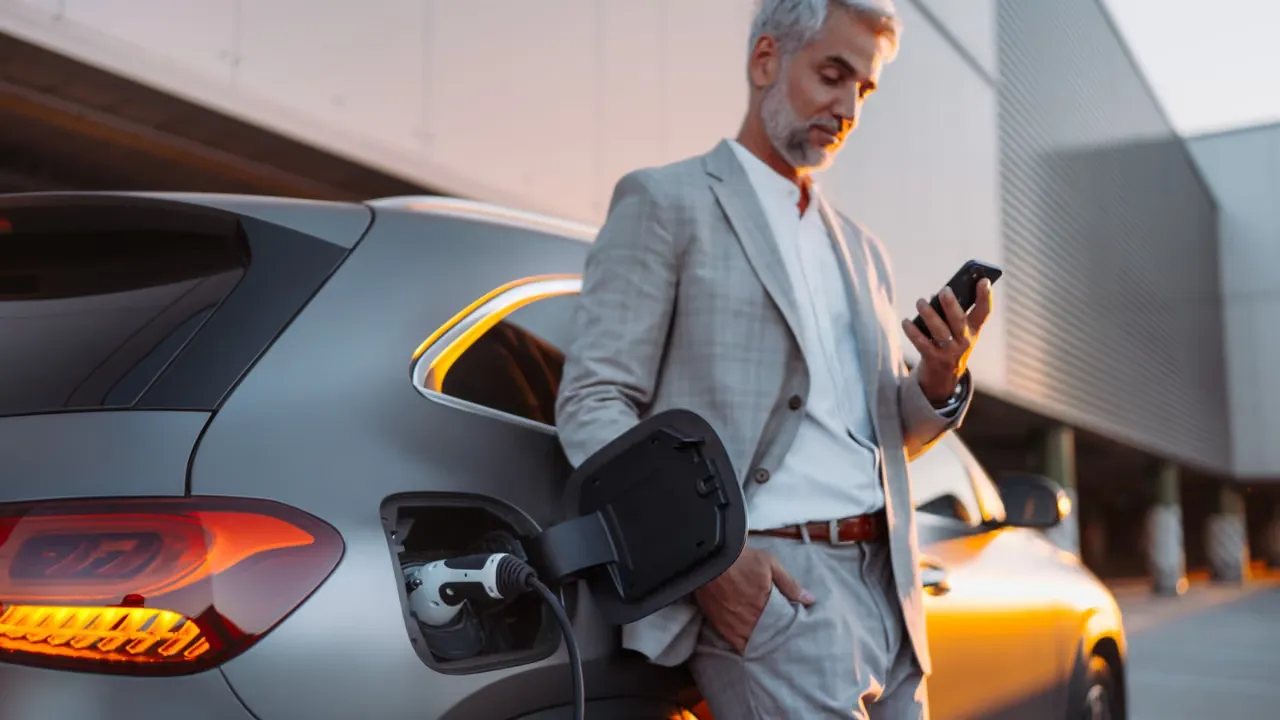
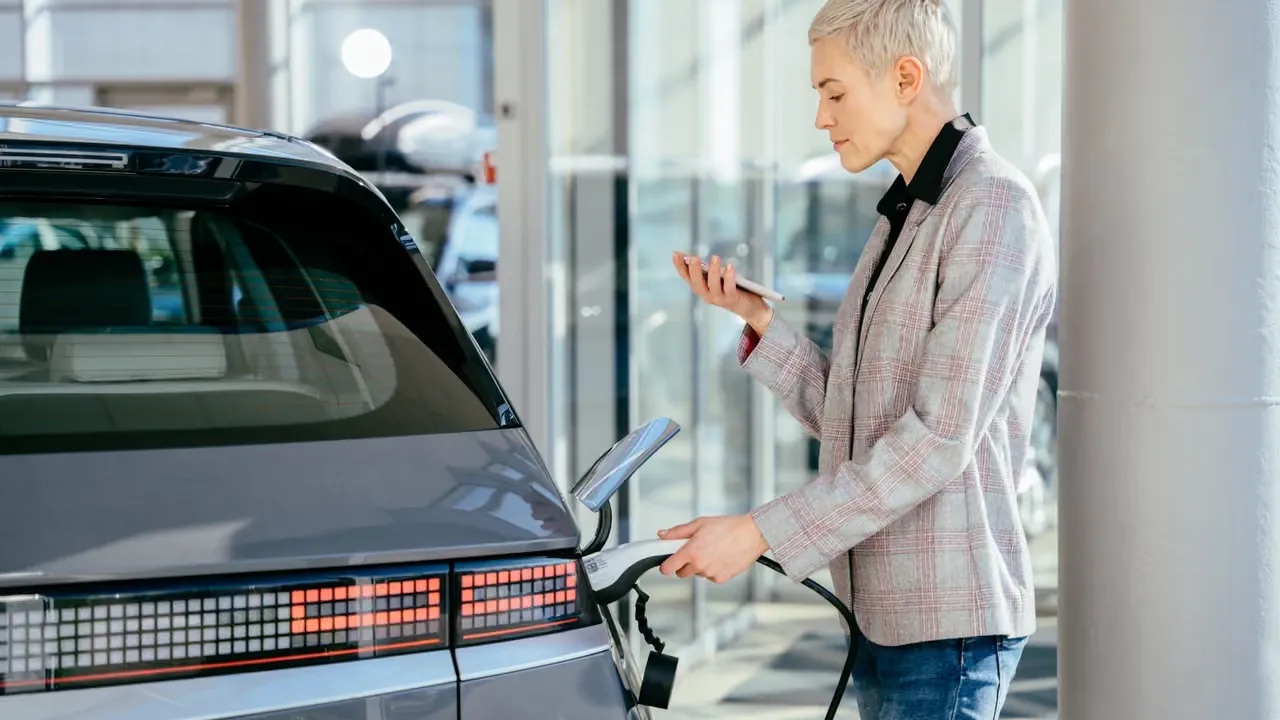
Connectivity enhances convenience and safety. Drivers can monitor battery status, locate charging stations, pre-condition the cabin temperature, and even schedule charging during off-peak hours—all from smartphone apps. Some EVs come equipped with advanced driver-assistance systems that use AI and sensors to improve safety and reduce driver fatigue.
Moreover, the integration of EVs into the Internet of Things (IoT) ecosystem means they can communicate with smart homes and city infrastructure. Imagine your car signaling your home to adjust heating as you approach or syncing with traffic management systems to optimize routes and reduce congestion.
Economic Impacts How EVs Influence Consumer Behavior and Market Trends
The rise of electric vehicles is reshaping consumer priorities and market dynamics. Initially, higher upfront costs deterred many buyers, but falling battery prices and government incentives have made EVs increasingly affordable.
Consumers are now factoring in total cost of ownership, including lower fuel and maintenance expenses, which often tip the scales in favor of EVs. This shift influences car manufacturers to accelerate EV production and phase out traditional models.
Used EV markets are emerging, offering more accessible options to a wider audience. Additionally, businesses are adapting; fleet operators, ride-sharing companies, and delivery services are adopting electric vehicles not only to cut emissions but also to reduce operational costs.
Automotive suppliers are also pivoting, investing heavily in EV-related components and technologies, which drives job creation and innovation in sectors beyond traditional car manufacturing.
Integration with Renewable Energy and Smart Grids for Sustainable Mobility
Electric cars are increasingly intertwined with the energy systems that power them. The integration of EVs with renewable energy sources and smart grid technology is a game-changer for sustainable transportation.
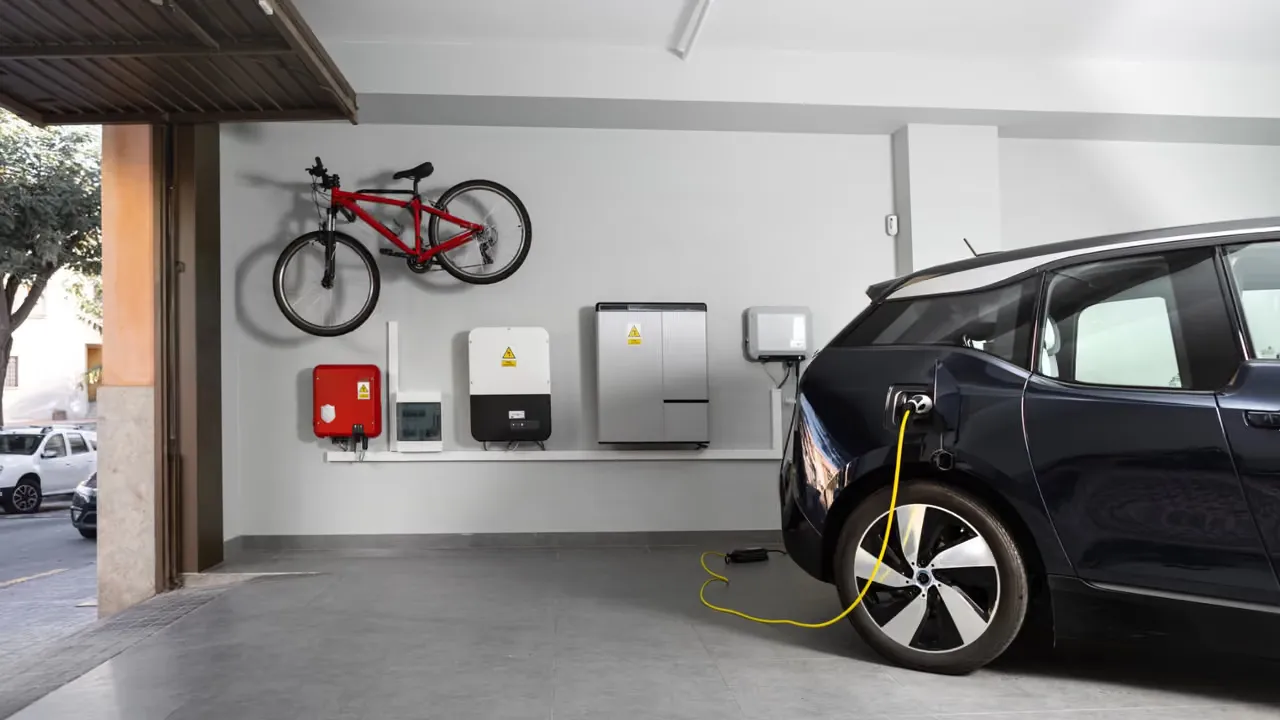
Homeowners with solar panels can now charge their vehicles using clean energy generated on-site, reducing reliance on fossil fuels. Smart charging systems enable vehicles to draw electricity during periods of low demand or high renewable output, optimizing grid stability and efficiency.
Vehicle-to-grid (V2G) technology takes this a step further. EVs can act as mobile energy storage units, feeding electricity back to the grid when needed. This bi-directional flow helps balance energy supply and demand, supports renewable integration, and can even provide owners with financial incentives.
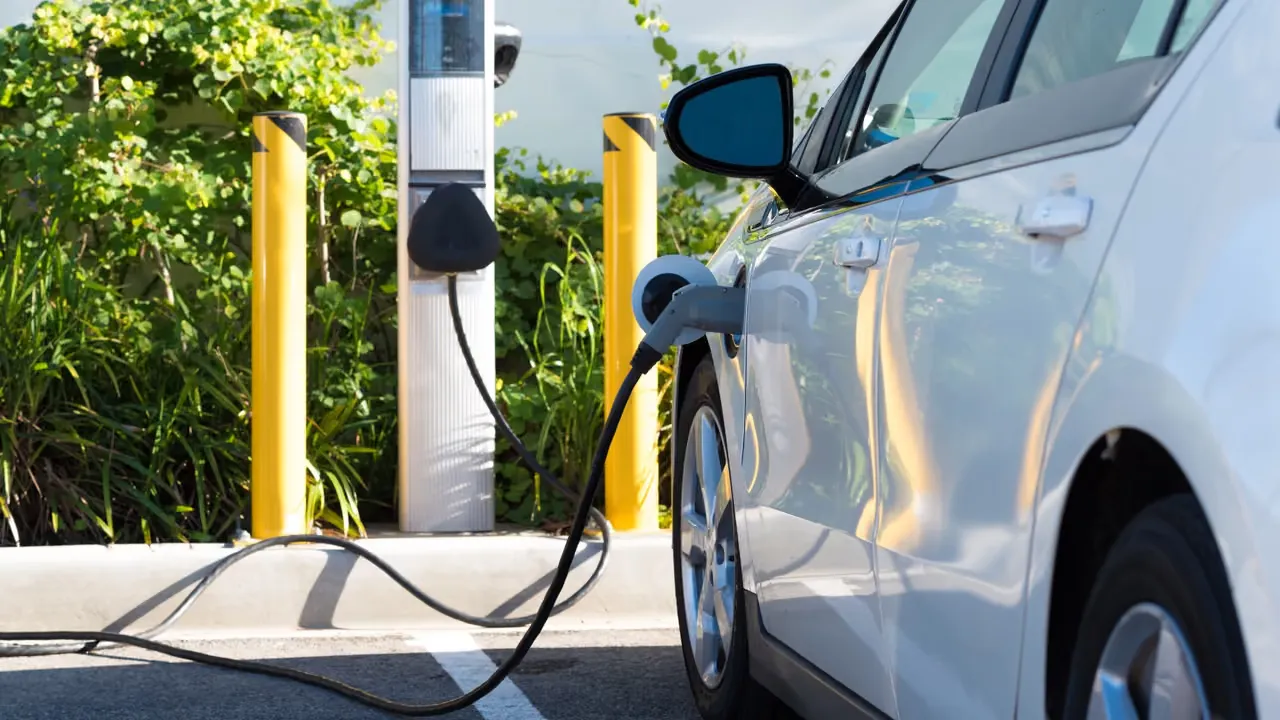
Urban planners and utility companies are collaborating to create charging infrastructure that supports these capabilities, turning EVs into active participants in a more resilient and responsive energy ecosystem.